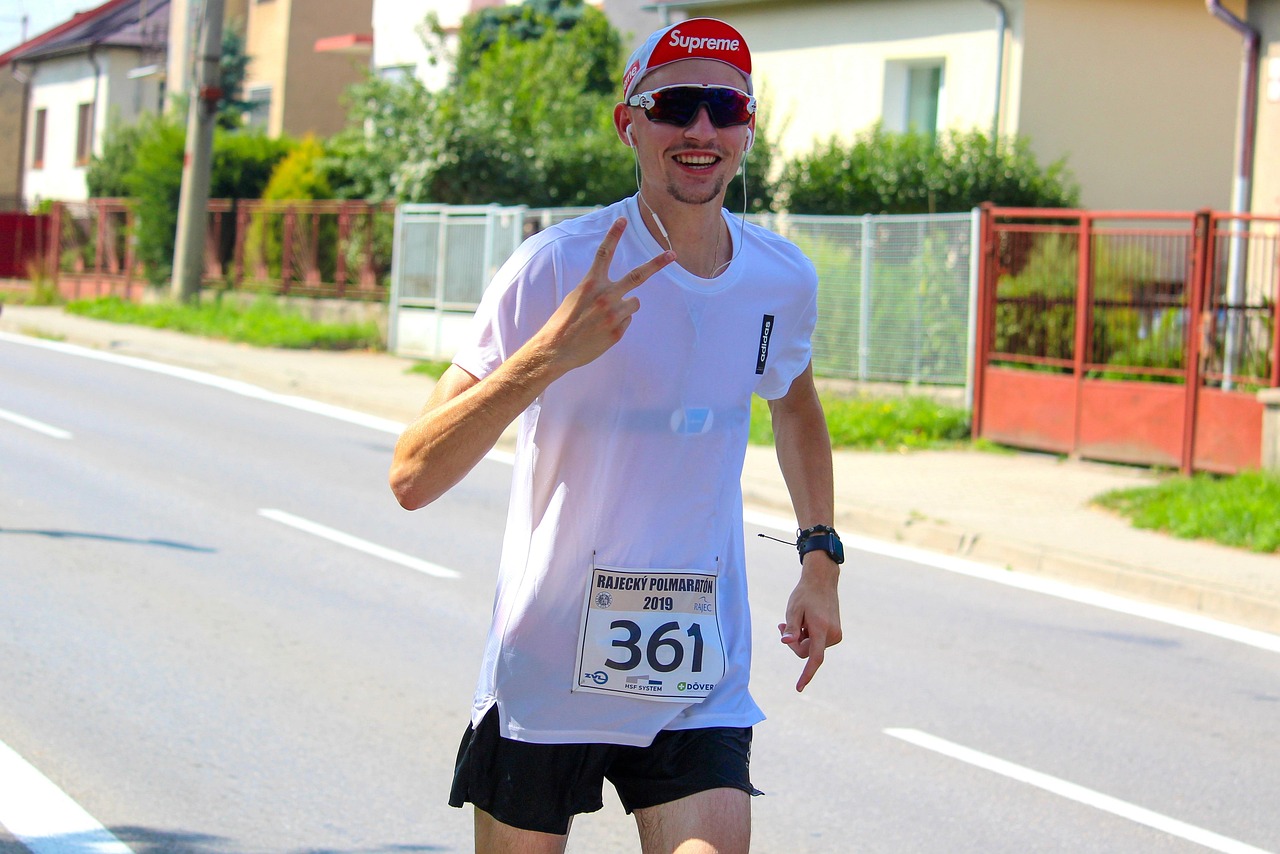

Importance of Hydration in Youth Distance Running
Hydration is crucial for young athletes, especially for those involved in distance running. Proper hydration enhances performance by ensuring the body functions optimally during prolonged exertion. When running, young athletes lose fluids through sweat and respiration, and this loss needs to be replenished. Dehydration can lead to fatigue, muscle cramps, and decreased coordination, all of which can impact performance negatively. It’s essential to develop a hydration plan that suits their individual needs, considering factors like temperature and humidity. Coaches and parents should encourage young runners to drink fluids consistently throughout the day, not only during practice or competitions. Water is usually sufficient for short runs, but for longer distances, consider sports drinks that replenish electrolytes. Monitoring urine color can be an effective way to gauge hydration levels; pale yellow indicates proper hydration, while dark yellow suggests the need for more fluids. Educating athletes about the signs of dehydration can also help prevent issues. Young runners should be aware of symptoms like dizziness, dry mouth, or extreme thirst. Emphasizing a hydration strategy is vital for young distance runners to support their health and performance.
The Role of Electrolytes in Hydration
In addition to water, electrolytes play a vital role in maintaining hydration and are crucial during long distance running in youth athletics. Electrolytes, such as sodium, potassium, calcium, and magnesium, assist in sustaining hydration and muscle function. When young athletes sweat, they lose these essential minerals, leading to imbalances that can result in muscle cramps and fatigue. For longer runs exceeding an hour, it’s advisable for young runners to consume drinks that include electrolytes. This helps replace what’s lost and maintains optimal performance levels. Parents and coaches should teach athletes to read labels on sports drinks to choose those with balanced electrolyte content, ideally low in sugar but rich in essential nutrients. Homemade electrolyte drinks can be an effective alternative; mixing water, a pinch of salt, and a splash of fruit juice can provide hydration without overloading on sugar. Moreover, incorporating foods rich in electrolytes, such as bananas and oranges, can help replenish these crucial minerals. Educating young runners about the significance of electrolytes will encourage them to take their hydration needs seriously and optimize their athletic performance.
When and What to Drink
Knowing when and what to drink is indispensable for young distance runners. Pre-hydration before running can significantly improve performance; athletes should drink 16 to 20 ounces of fluid in the two hours prior to their run. For runs longer than one hour, hydration during the activity becomes essential. It’s recommended to drink 7 to 10 ounces of fluids every 10 to 20 minutes while exercising. Choosing the right drink depends on the duration and intensity of the activity. For shorter runs, water is typically sufficient. However, for longer endurance sessions, consider sports drinks containing carbohydrates and electrolytes. After the run, rehydrating within 30 minutes is critical, and athletes should aim for 16 to 24 ounces of fluid to replenish lost fluids. Educating young athletes on how to monitor their thirst and avoid drinking excessive amounts at once will aid in maintaining hydration levels. Hydro flasks or water belts can be handy during longer runs. Overall, establishing a solid drinking schedule can prepare young runners to perform at their best.
Hydration Mistakes to Avoid
Young athletes commonly make hydration errors that can negatively impact their performance. One major mistake is waiting until they’re thirsty to drink. By this point, dehydration may have already begun to set in, impairing their performance. It’s crucial for young runners to adopt a proactive approach to hydration. Another common error is drinking excessive amounts of sugary sports drinks without checking their electrolyte levels. Such beverages might lead to stomach issues or energy crashes during races. Additionally, some young athletes overlook the importance of post-exercise hydration, which can hinder recovery. Failing to replace lost fluids promptly can prolong fatigue and soreness. Athletes should prioritize balanced hydration throughout their training sessions and competitions. Relying only on water may lead to imbalances during intense physical activity; however, overconsumption of fluids can also be harmful. Coaches and parents need to be aware of these common hydration pitfalls to educate young distance runners accordingly. By fostering a better understanding of hydration needs, athletes can enhance their performance and overall health.
Signs of Dehydration to Watch For
Recognizing the signs of dehydration is critical for young distance runners and can prevent serious health issues during training and competition. Early symptoms may include thirst, fatigue, and dizziness, often indicating that the body is already dehydrated. As dehydration progresses, the athlete may experience more severe symptoms, such as dry mouth, dark urine, decreased sweating, and confusion. Parents and coaches should conduct regular discussions with their athletes about these signs to enhance awareness. Maintaining a hydration log can also help track fluid intake and identify patterns that may lead to dehydration. In more serious cases, young runners may develop headaches or experience heat illness; immediate action should be taken to address these symptoms. If an athlete reports severe or prolonged symptoms of dehydration, seeking medical attention is imperative. Young runners must understand that preservation of hydration should not be neglected or ignored. Watching for these early signs creates an opportunity for young athletes to correct their hydration status and perform optimally. By staying vigilant, they can ensure a safe and enjoyable running experience.
The Benefits of Hydration Education
Promoting hydration education among young distance runners presents numerous benefits. By understanding the importance of hydration, athletes can improve their performance, recovery times, and overall health. Early knowledge about proper hydration techniques can establish lifelong healthy habits. Informative workshops or seminars can be organized at schools or clubs to emphasize the significance of hydration while running. During these sessions, practical tips regarding hydration strategy can be discussed, ensuring that young athletes learn effective methods tailored for their individual needs. Furthermore, collaboration between parents, coaches, and nutritionists can help develop tailored hydration plans for young runners. Young athletes must have access to information that empowers them to make informed choices regarding their hydration before, during, and after their runs. Encouraging the use of hydration apps can provide reminders and track fluid intake. Ultimately, promoting hydration education among youth fosters a positive culture and mindset in distance running, where maintaining optimal hydration becomes part of an athlete’s regimented training approach. Educated runners will be better prepared to manage their hydration and excel in their sport.
Conclusion: Commitment to Hydration
Commitment to hydration is essential for young distance runners to achieve their full potential. By understanding hydration needs and incorporating effective strategies, athletes can avoid pitfalls associated with dehydration. This involves establishing regular fluid intake routines, recognizing symptoms of dehydration, and knowing when to adjust hydration strategies based on exertion levels and environmental factors. Parents and coaches play a pivotal role in this educational journey by actively promoting healthy hydration habits and supporting young runners in making informed choices. Athletes should be encouraged to experiment with different fluid types to find what works best for them, fostering a greater understanding of their unique hydration needs. The use of hydration technology, like apps and monitoring tools, can further enhance their hydration education and practices. Emphasizing hydration as a key part of athletic preparation will not only enhance performance but also contribute positively to overall health and well-being. Young distance runners who are diligent about their hydration can expect better endurance, quicker recovery, and an overall improved athletic experience.