
Choosing Vegan Vitamins for Children: Tips for Parents
Choosing the right vitamins for children can be quite a challenge, especially for parents who prioritize veganism. Many parents want to ensure their children receive essential nutrients while adhering to a plant-based lifestyle. A good starting point is to consult with a pediatrician or a nutritionist who understands vegan diets. They can recommend specific guidelines and help identify any potential deficiencies. Parents should also educate themselves about the vitamins and minerals that are essential for growth and development. Key nutrients include vitamin B12, D, omega-3 fatty acids, and iron. These nutrients are vital for energy, immunity, and overall health. Researching reputable brands that cater specifically to vegan children can also be beneficial. Always read the labels carefully to ensure that no animal-derived ingredients are present. Opt for products that clearly state they are vegan and free from artificial additives. Additionally, checking for third-party certifications can guarantee product quality and transparency. Above all, involve your child in the selection process to make it a fun and educational experience.
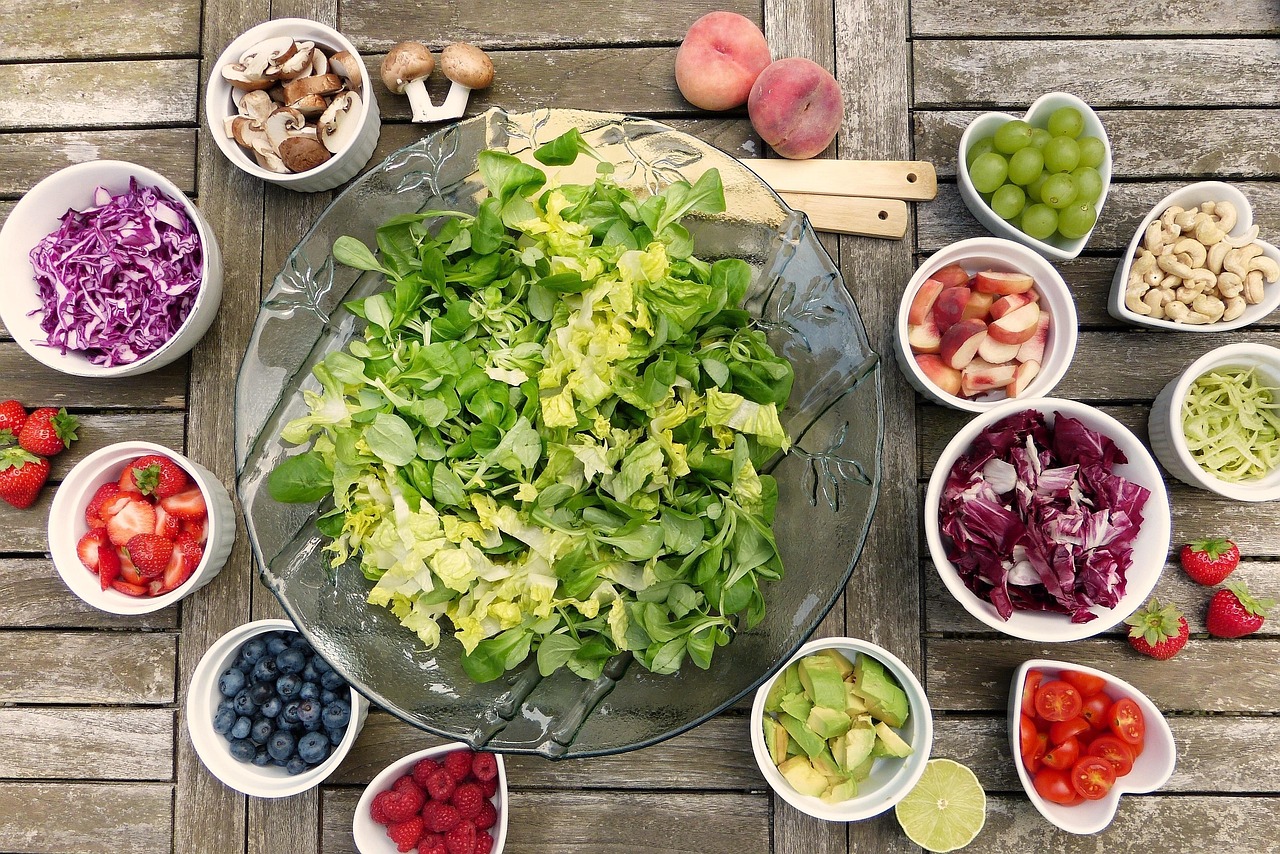
Being aware of dietary restrictions and preferences is also crucial when selecting vegan vitamins. Each child’s body is unique, and their vitamin needs may differ based on age, activity level, and dietary intake. Additionally, parents must consider any allergies or intolerances that their children may have, which might affect their ability to consume certain supplements. It’s a good practice to keep a food diary to track what your child eats and identify any gaps in their nutrition. If deficiencies are noted, pediatricians may recommend specific supplements to fill these gaps. Focus more on whole food sources rich in nutrients—fruits, vegetables, nuts, and legumes should be staples in a vegan child’s diet. These whole foods can often provide much of what children need naturally. However, supplements can act as a safety net, ensuring that your kids meet their nutritional needs without compromising their lifestyle or ethical beliefs. Always prefer vitamins derived from whole food sources, as these are more bioavailable and easier for the body to absorb. Aim for products that ensure optimum nutrient density.
Understanding Essential Nutrients
Understanding key nutrients is vital for parents trying to navigate the world of vegan vitamins. Vitamin B12 is one of the most crucial vitamins for vegans, as it is generally found in animal-based products. A deficiency can lead to significant health risks, including anemia and neurological issues. For this reason, choosing a reliable B12 supplement is essential. On the other hand, vitamin D aids calcium absorption, which is essential for developing strong bones. Sun exposure can help supply vitamin D, but during winter or in regions with little sunlight, a supplement may be necessary. Omega-3 fatty acids, particularly DHA and EPA, are also essential, mainly sourced from fish. Vegan options such as algae-based omega-3 supplements can provide these crucial fatty acids without animal products. Iron is another critical nutrient that vegan children may need, as plant sources contain non-heme iron, which is less easily absorbed. Pairing iron-rich foods with vitamin C boosts absorption. Regularly revisiting these essential nutrients ensures that parents make the most informed choices regarding their children’s health.
Additionally, understanding the different forms vitamins can take is fundamental to making informed decisions. Vitamins come in various forms, including gummies, capsules, and powders, each having its benefits. Gummies tend to be popular with children due to their appealing taste; however, they may contain more sugar than other forms. Capsules and powders might provide a more concentrated dose but can be more challenging for younger children to take. Parents should consider their child’s preferences while also ensuring they are receiving the correct dosage. Always refer to the serving sizes indicated on the label and consult professionals if any concerns arise regarding dosing. Natural flavors and colors are preferable, as artificial additives can be unhealthy for children. Check for allergen warnings, especially if your child has a history of allergies. Sampling a small quantity first can also help determine if there are any adverse reactions. Nutrition labels are your best resource in evaluating the suitability of a vitamin supplement, looking for those that provide adequate amounts of essential nutrients.
Involving Children in Their Vitamin Choices
Involving children in their vitamin choices can significantly enhance their willingness to take supplements. By allowing them to participate in the decision-making process, children learn to understand their nutritional needs and develop healthier habits. Discussing the importance of specific vitamins can pique their interest and curiosity. You may want to involve them in choosing the flavors and forms of vitamins, turning it into a fun experience rather than a chore. Children are more likely to take vitamins they have selected themselves. Preparing snacks or meals together that include the vitamins or minerals their supplements provide can teach them about nutrition. For example, a fun smoothie packed with fruits and vegetables rich in vitamins can be a delicious alternative. By sharing knowledge and fostering a sense of responsibility towards their health, children can become more empowered. Making this process an educational experience encourages them to make healthier choices as they grow. Furthermore, setting a regular routine for taking vitamins can help create lasting habits that contribute to their overall well-being.
Looking for the right vegan vitamin product can be overwhelming, given the plethora of options available. Parents should focus on finding quality over quantity. Seek recommendations from vegan communities and online reviews to find brands known for their transparency and efficacy. Additionally, when purchasing, consider factors like quality control and manufacturing practices. Ideally, the vitamins should be Non-GMO and certified organic. Furthermore, checking expiration dates ensures the supplements maintain their potency. For extra peace of mind, researching if the company conducts independent testing can be reassuring for quality assurance purposes. This diligence ensures that the vitamins are effective and safe for children to consume. Remember that even the highest quality vitamins cannot replace a balanced diet rich in whole foods. While supplements can address deficiencies, they should complement rather than substitute a healthy diet. Keeping an ongoing dialogue with a healthcare provider about your child’s changing needs helps to ensure that they continue to thrive as they grow. Regular check-ups can help identify any dietary adjustments that might be necessary to support their development.
Conclusion: A Balanced Approach
In conclusion, approaching the use of vegan vitamins for children with care and knowledge can significantly influence their health and well-being. Making informed decisions about vitamin supplements does not have to be a daunting task. With proper research, guidance, and involvement, parents can provide their children with essential nutrients while aligning with their dietary principles. Fostering an understanding of nutritional needs, pairing supplements with a wholesome diet, and being attentive to quality are vital steps. Recognizing that each child’s nutritional needs can vary allows parents to adapt their approach over time. By cultivating healthy habits that encourage kids to take an active role in their nutrition, parents can help establish a strong foundation for lifelong health. Remember, vitamins are meant to support, not replace, the rich variety of nutrients found in food. Always prioritize getting nutrients from whole food sources when possible. Achieving a balanced approach to your child’s nutrition ultimately leads to a more harmonious relationship with food and health. Together, these efforts create a nurturing environment for children to flourish.
The journey of selecting vegan vitamins for children involves informed choices and parental guidance. Continue to educate yourself about nutrition, consult professionals, and involve your children in the process. Ultimately, this journey not only supports their health but also encourages a lifelong appreciation for good nutrition.