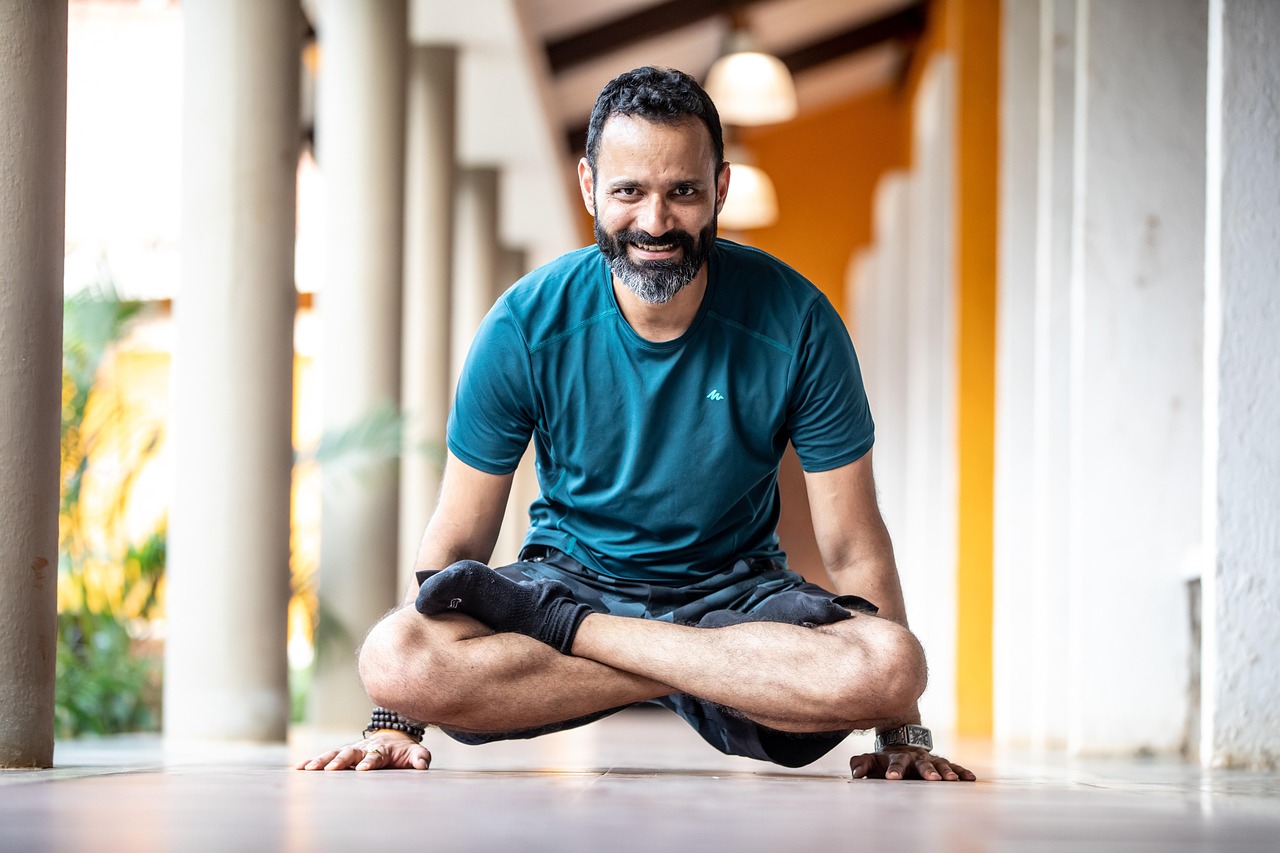

Yoga to Improve Athletic Performance for Men
Yoga, traditionally perceived as a practice centered on relaxation, is increasingly recognized for its profound benefits in athletic performance for men. Incorporating yoga into a fitness regimen enhances flexibility, which is crucial for all sports. Tight muscles can hinder performance, limiting the range of motion. With regular yoga practice, men can significantly reduce muscle tightness, allowing greater efficiency in athletic movements. Furthermore, yoga improves balance and coordination, vital elements in sports disciplines ranging from running to team events. Many athletes find that specific yoga postures enhance their core strength, providing stability during performance. Moreover, focused breathing techniques taught in yoga bolster lung capacity and enhance overall endurance. This aspect is particularly beneficial for endurance athletes looking to optimize their aerobic capacity. Many athletes report increased mental clarity and focus as well, translating to improved game-time decisions. The meditative components of yoga contribute to overall mental wellness. It combines both the physical and mental challenges athletes face, thus fostering a holistic approach to training. This practice promotes injury prevention, allowing men to sustain their training regimens longer, ultimately paving the path toward achieving peak athletic performance.
The Connection Between Yoga and Improved Recovery
The recovery phase is often neglected in athletic training. However, yoga presents an effective method to enhance post-exercise recovery for men. Engaging in yoga helps release lactic acid build-up within fatigued muscles, alleviating soreness and reducing recovery time. Additionally, the stretching involved in yoga routines can actively promote blood circulation, facilitating nutrient delivery to sore muscles. Improved circulation eases the muscle recovery process by accelerating the removal of toxins from the body. Furthermore, the relaxation achieved in yoga aids in lowering cortisol levels, which are elevated after intense workouts. High levels of cortisol can hinder recovery and muscle repair. Practicing yoga regularly creates an environment for hormonal balance, aiding recovery maintenance. Moreover, many pose categories stimulate deep relaxation, which is particularly beneficial after rigorous training. Athletes often utilize yoga as a form of active recovery, incorporating gentle flows or restorative sessions that do not strain the body while still allowing for movements. Daily yoga practice thus cultivates not only physical restoration but also a mental reset. This reset is crucial for maintaining motivation and focus as athletic endeavors progress, ensuring a long-lasting commitment to peak performance.
Incorporating yoga into the training routine provides athletes a competitive edge through enhanced mental resilience. When under pressure during competitions, it is essential to maintain focus and composure. Yoga fosters mental clarity, an aspect pivotal for athletes performing under competitive scenarios. Mindfulness cultivated through various yoga techniques aids in managing stress and anxiety. Such stresses could lead to diminished performance when not addressed effectively. Survival in high-pressure situations often comes down to mental strength. Men who practice yoga develop a greater ability to stay present, avoiding distractions that may contribute to performance errors. Focused breathing exercises from yoga can be particularly beneficial during competitions, assisting in regulating heart rate and stabilizing nerves. Women have often enjoyed these benefits, but they are equally impactful for men in sports. Progressing through dynamic poses can build confidence, enhancing one’s mental fortitude. This newfound confidence allows athletes to explore their physical capabilities. Strengthening the mind-body connection enables men to push beyond the usual limits in their training and performance. Therefore, integrating yoga not only supports physical improvements but also significantly enhances mental strength, creating more rounded athletes prepared for challenges.
Yoga Techniques Tailored for Men’s Fitness
To harness the full potential of yoga for athletic performance, specific techniques should be utilized. Certain postures, such as Warrior I and Downward Facing Dog, significantly improve strength and flexibility. Warrior I cultivates balance while enhancing leg strength, crucial for runners and weightlifters. Downward Facing Dog stretches the entire back, providing relief for tension accumulated in workouts. Incorporating Pigeon Pose can help address hip tension that often arises from sports activities, enabling better movement and range. Tree Pose builds core stability and balance, fundamental for activities requiring agility. A consistent flow yoga practice may additionally integrate sun salutations, enhancing endurance during physical activity. Transitioning through these poses creates a low-impact cardio workout. Breath control during each movement remains essential, enabling better control over one’s breath during sports activities. Focusing on deep, regulated breathing benefits lung capacity and energy distribution. Athletes can also explore different yoga styles, such as Kundalini for energy building or Yin for deep stretching. Tailoring the practice aligns perfectly with individual sports requirements. Ultimately, developing a home practice concludes optimal athletic performance through focused yoga training.
In addition to physical and mental benefits, yoga positively impacts injury prevention within men’s fitness. Many athletes encounter preventable injuries due to tight muscles or improper body mechanics. Regularly practicing yoga alleviates muscle tension, enhancing flexibility, thus fostering better mechanics. Engaging in pre-emptive stretches aids in reducing stress on muscles and joints during exercises. For instance, maintaining proper hip opening can reduce the risk of knee injuries from running or sports-related activities. Stronger and more flexible muscles help stabilize joints that bear weight during performance, leading to fewer injury occurrences. Yoga also plays a corrective role, addressing postural imbalances that can contribute to injuries over time. When men practice the various supportive and therapeutic techniques, they develop resilience against common sports-related injuries. Furthermore, incorporating cooldown poses after intense workouts remains invaluable for maintaining muscle elasticity, ensuring optimal performance in subsequent training sessions. Over time, a consistent practice cultivates a deeper understanding of one’s body, allowing for mindful adjustments in training. This awareness connects physical movements with prevention strategies for injuries. Therefore, emphasizing yoga within a fitness journey highlights the protection against hazards resulting from athletic pursuits.
Building Community Through Yoga Practices
Participating in yoga classes provides an excellent opportunity for men to build community and camaraderie among fellow athletes. Group settings foster teamwork and encourage motivation that often extends beyond the yoga mat. Sports require collaboration in diverse ways, and building social support contributes to enhanced athlete performance. Attending yoga sessions allows men to share experiences and goals, promoting unity. Interacting with peers who understand the demands of athletic training can create beneficial encouragement. This support often results in increased enthusiasm toward personal fitness journeys, enhancing overall engagement in both yoga and sports. Many sporting events leverage yoga sessions for teams, enhancing ongoing cohesion between players. Having a shared space to bond over collective challenges strengthens team synergy, culminating in better performance during competitions. Even for individual sportsmen, yoga communities provide a supportive network. Men can explore learning from each other’s experiences and gaining new insights. Everyone faces differing challenges, and coming together allows a space for collective growth. Together, establishing community through shared yoga practices fosters motivation, enthusiasm, and accountability, all essential elements for successful athletic performance. The ties formed often translate into heightened enthusiasm for fitness journeys.
The science backing yoga’s effectiveness in improving athletic performance continues to grow rapidly. Research increasingly highlights how integrating yoga with traditional training enhances performance metrics. Studies reveal that yoga contributes to aspects such as improved flexibility, increased range of motion, and enhanced balance. These improvements are particularly vital in sports demanding physical prowess. In the long term, athletes noted increased endurance and amplification of muscle elasticity, mitigating risks associated with hard training. Furthermore, data also suggest that yoga promotes effective muscle recovery, allowing athletes to train more effectively and achieve peak performance faster. The focus on breathing during practice has been shown to enhance oxygen transport, thereby enhancing stamina. This becomes crucial during competitions when endurance is paramount. Men engaging in yoga not only improve physical attributes but mental acuity as well, leading to better decision-making capabilities and focus in stressful situations. As athletic training recognizes the importance of holistic approaches, yoga serves as a foundational element in optimizing performance. The synthesis of research in this domain advocates for the continued integration of yoga within athletic training, positioning it as a key component to improved performance and injury prevention.
The last consideration is how to sustain yoga’s positive influence on athletic performance. Regular practice requires commitment, making it essential for athletes to build a routine. Creating a schedule that incorporates yoga multiple times a week can yield greater benefits over time. Additionally, integrating yoga after workouts or as part of cooldown ensures its lasting benefits are retained. Many athletes find early morning sessions beneficial for setting the tone for daily workouts, promoting mental clarity. As the practice solidifies, athletes can embark on exploring various styles and techniques that resonate most effectively to their bodies. The journey of yoga offers men the chance to deepen self-awareness, fostering a personal connection with physical fitness. Evaluating personal progress also plays a vital role in sustainability, using elements to navigate through challenges and growth. Understanding the body’s signals aids in customising sessions to address limitations and strengths, ensuring a balanced approach. Encouraging accountability through yoga partners can enhance dedication, creating motivation to follow through on commitments. Ultimately, sustaining yoga’s influence requires awareness, perseverance, and adaptability, culminating in an approach that encourages lasting improvements in athletic performance, injury prevention, and personal health.