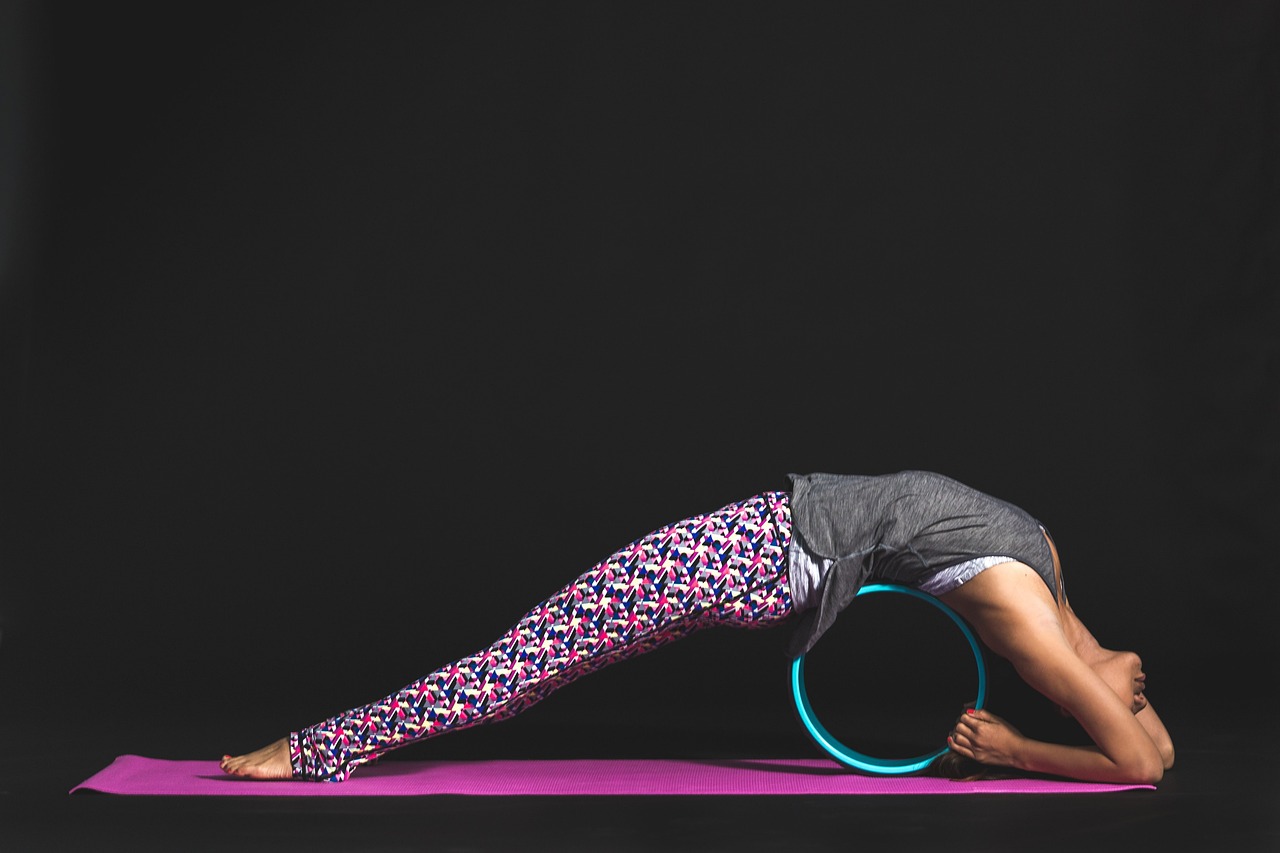

Why Flexibility Matters Alongside Core Strength Training
Many individuals focus primarily on building core strength, yet neglect the equally important aspect of flexibility. Flexibility goes hand in hand with core strengthening, providing a balanced approach to overall fitness. By improving flexibility, you not only enhance your range of motion but also support your core workouts. When your muscles can stretch properly, they can contract more effectively, allowing for greater strength outcomes. Consequently, flexibility helps in preventing injuries during core-related activities. Muscles that lack flexibility often lead to strains and long-term complications. Stretching should be integrated into your routine, especially after core exercises. Strength training engages muscles, while stretching helps maintain their elasticity. This elasticity is vital for physical performance across various activities, from weightlifting to yoga. Moreover, a flexible core supports correct posture, which is crucial in today’s sedentary lifestyle. Invest time in strength, but don’t forget to complement it with stretching routines. Over the long term, your commitment to both aspects will enhance your capacity to execute movements fluidly and safely, ultimately achieving greater overall fitness and health.
Tracking progress in core strength is essential to understanding how effectively your training program is benefiting you. Setting benchmark exercises, monitoring your performance over time, and evaluating flexibility gains provide the insight needed for effective improvement. Introduce a variety of core-centric movements to your routine, such as planks, sit-ups, and twists. Each of these exercises can serve as markers for progress. Evaluate how many repetitions you can perform or how long you can hold a plank position. Additionally, consider mobility assessments, which include forward bends or hip flexor stretches, to ensure your flexibility is advancing alongside your strength. Always record your achievements, noting improvements in performance, endurance, and execution quality. It can be rewarding to visualize growth on paper or in digital logs. Along with exercises, using tools like resistance bands or stability balls gives an extra challenge. Keeping yourself accountable is non-negotiable in this journey. Your determination and consistency will manifest in tangible results. Ensure that your training plan incorporates both flexibility and core strength gains for a well-rounded approach.
The Connection Between Strength and Flexibility
Understanding the relationship between strength and flexibility can significantly enhance your training strategy. Core strength training creates tight, powerful muscles that, without adequate flexibility, may limit your movement capabilities. For example, strong muscles can lead to a tendency for stiffness, which may restrict powerful actions like jumping or running efficiently. Thus, integrating flexibility training allows these muscles to perform optimally without unnecessary tension. A flexible core optimizes your posture, reducing the fatigue associated with maintaining alignment. Furthermore, improved spinal flexibility nurtures better balance, essential for engaging in any physical activity. When the core muscles work in harmony with flexible tissues, efficiency in movements increases dramatically. Activities such as dance, martial arts, or even routine daily tasks can benefit immensely from this synergy. Stretching techniques like yoga or Pilates introduce extensive flexing that complements core strengthening. This combination can lead to a fuller life experience, reducing muscle soreness while enhancing recovery time. Strong and flexible cores contribute to injury prevention in various settings.
To effectively track progress, consider employing methods that provide tangible measures of your improvements. Regular assessments of core strength can incorporate testing max repetitions or timed holds on exercises like planks. Keep track of how you feel during and after workouts, as subjective measures play an essential role. Note any increases in your flexibility, which can be gauged through routine stretch tests or the ability to perform advanced moves. Checking in with a trainer or a coach could provide professional insights into your performance and technique. Online tracking apps or journals can be particularly useful for maintaining your records. Take time to reflect on your training experiences, noting what feels more comfortable or challenging. Adjust your program based on your findings to keep your development on track. Your journey should include both leaps in strength and increases in flexibility, ensuring a holistic approach. Engaging in community fitness programs can add motivation to track your progress alongside others. The support can be invaluable as you work towards your health goals.
Strategies for Enhancing Flexibility
Implementing effective flexibility training is crucial for enhancing your core strength. A balanced approach bridges the gap between these two vital components of fitness. Start each workout with dynamic stretches targeting the core. Gradually work towards static stretches that allow muscles to elongate post-session. Techniques such as static stretching can optimize recovery post-strength training. Additionally, incorporate practices like yoga or tai chi into your weekly routine. These methods emphasize breath control and core engagement, fostering flexibility gains. Aim for at least 15-30 minutes dedicated solely to flexibility exercises each week. Target areas such as hamstrings, back, and hip flexors where tightness is common. It promotes better muscle and joint function overall. The cumulative effect of consistent stretching produces noticeable improvements in performance. Remember to breathe deeply during stretches; this can amplify your results by promoting relaxation within the muscle tissues. Increasing blood flow to the muscles being stretched enhances their flexibility further. Consequently, these practices can lead to superior strength development during core workouts.
The long-term benefits of linking flexibility with core strength training are profound. Individuals who invest in flexibility often experience less discomfort than those who do not focus on this aspect. The synergy of strength and flexibility fosters resilience against everyday stresses on the body. Core strength is not merely an aesthetic pursuit; it significantly affects mobility and daily functions. Enhanced flexibility can lead to fewer strains and sprains, making the body more robust against injuries. Furthermore, good flexibility promotes longevity in physical activity, allowing you to engage in exercises for longer periods. As muscle recovery becomes more efficient, improved flexibility allows for quicker transitions between workouts. Beyond physical benefits, flexibility can also improve mental well-being. The meditative elements introduced through stretching routines foster a positive mindset towards fitness. Develop routines that bring enjoyment and are not solely performance-based; this encourages lifelong adherence. Practicing holistic training will yield favorable results. A harmonious blend of core strength and flexibility leads to a healthier, happier lifestyle.
Conclusion: A Holistic Approach to Fitness
In conclusion, incorporating flexibility into your core strength training is vital for achieving overall fitness. Tracking progress in both areas enhances your motivation and commitment. The best outcomes arise from understanding how flexibility and core strength complement each other in promoting better performance. Core stability enhances posture, supporting joint health while reducing the risk of injuries. Meanwhile, improved flexibility allows better movement efficiency across various activities. Thus, establishing a routine that intertwines strength and flexibility training proves beneficial in the long run. Remember to listen to your body constantly and adjust your approach based on feedback. Regular assessments both inform your knowledge and inspire further growth within your fitness journey. Embrace diversity in your training, fostering balance by including a variety of exercises. Surprising personal advancements will ensue as you reshape your body and find satisfaction in this workout union. Encouraging others to do the same can foster a supportive environment fostering wellness through collaborative efforts. Realize that the journey to a stronger, more flexible body unfolds over time, demanding patience, determination, and a commitment.
In the expansive realm of fitness, the marriage of core strength and flexibility represents a cornerstone of well-being. Prioritizing both components ensures longevity and resilience in your active lifestyle. Throughout your journey, remember the importance of patience and consistency in achieving your goals. Celebrate small wins along the way, as these will fuel your motivation to continue pushing towards your wellness aspirations. As you build strength, make it a point to carve out space in your schedule for flexibility practices. Engage with online communities or local classes to discover new methods and techniques that can benefit your training. Learning from others fosters inspiration and accountability as you pursue your journey. Encourage those around you to join in the process and share experiences, creating a network of support. Finally, never underestimate the power of your mindset, as it plays a pivotal role in your fitness achievements. Embrace challenges, focus on progress over perfection, and let the joy of movement guide you. Your commitment will unlock a healthier, more flexible core and transform your overall fitness trajectory.