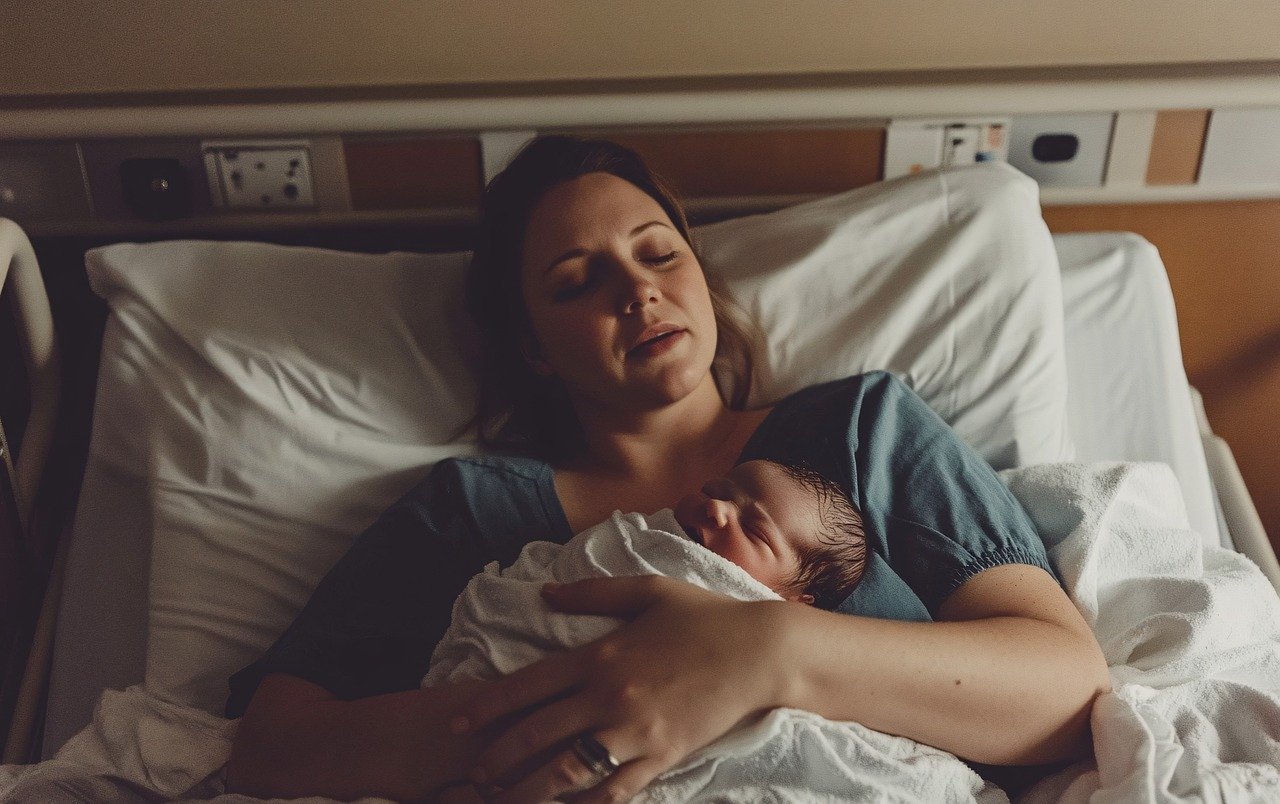

Using Journaling and Physical Activity to Track Postpartum Mental Health Progress
Postpartum depression (PPD) is a critical issue many new mothers face, affecting approximately 15% to 20% of women following childbirth. Addressing PPD effectively is crucial for mothers’ overall health and well-being. While some may experience mild symptoms, others face significant challenges that hinder their daily functioning. Journaling and exercising are two effective methods that can help improve mental health as mothers navigate their postpartum journey. Both activities have been shown to foster emotional wellness, assisting new mothers in tracking their feelings and experiences during this transformative period. The importance of having a dedicated space for self-reflection cannot be understated. In journaling, mothers have an opportunity to express their thoughts, frustrations, and joys without fear of judgment. This habit can play a vital role in identifying precursors to depressive episodes, establishing a pattern of triggers. Additionally, incorporating physical activity into their routines can provide numerous psychological benefits. Whether it’s a simple walk, yoga, or structured fitness classes, movement can uplift mood and reduce symptoms of anxiety and depression. Combining these practices creates a holistic approach that can significantly enhance mental health throughout postpartum adjustments.
Journaling allows mothers to articulate their inner thoughts, creating a deeper understanding of their mental states. This process helps identify specific emotional triggers that can lead to feelings of anxiety or depression. To maximize the benefits of journaling, consider these strategies: 1) Write daily, even if just a few sentences; 2) Focus on gratitude — write about what brings joy; 3) Use prompts like, “What did I learn today?” or “How can I be kinder to myself?” Regularly documenting feelings can lead to progressive revelations about improved mental health. Moreover, it builds resilience, empowering mothers to implement coping strategies developed over time. As mothers develop the skill of identifying negative thought patterns, they can focus on reframing their thinking. This reframing can transform negative self-talk into positive affirmations, ultimately altering the perception of motherhood. Furthermore, setting realistic goals within journaling gives a sense of accomplishment. Mothers can track wins, no matter how small, which boosts confidence. Documenting progress allows new mothers to visualize their growth, emphasizing the positive aspects of their experience, which is incredibly valuable for overall mental health.
Integrating Physical Activity into Daily Life
Physical activity plays an essential role in improving postpartum mental health. Aside from the numerous physical health benefits, engaging in regular exercise stimulates the release of endorphins, which enhance mood. Building a fitness routine can encompass different activities that suit individual preferences, making it easier to incorporate into daily life. For mothers with limited time, consider these simple yet effective strategies: 1) Take short walks during baby’s naptime; 2) Attend postpartum fitness classes for social engagement; 3) Utilize online workout programs tailored for new moms. Each of these options promotes not only physical fitness but also emotional support through community and shared experiences. Establishing a consistent exercise routine in life creates a structure, enhancing feelings of control and accomplishment. Additionally, exercising can counteract the fatigue often experienced by new mothers. It combats feelings of lethargy, offering increased energy levels throughout the day. With careful planning and motivation, engaging in physical activity alongside journaling forms a robust strategy for tackling depression postpartum. The combination of both practices serves as a support system for mothers, addressing psychological struggles while encouraging overall mental wellness. As such, creating new habits surrounding fitness can bring about transformative benefits.
The consistency of journaling and physical activity fosters a deeper connection to one’s feelings and body. These practices empower new mothers to reclaim their mental health amidst the challenges of parenthood. One suggestion is to establish a daily schedule, which includes time dedicated to both journaling and a form of exercise. This schedule can establish expectations, ensuring that mental health takes priority. Additionally, this approach provides structure in a typically chaotic environment. By setting aside specific times each day, mothers are more likely to prioritize these self-care activities, making them an integral part of their routine. Over time, these practices can lead to improved coping mechanisms for dealing with stressors inherent to motherhood. Mothers can journal about their experiences, worries, and triumphs in their parenting journey, while simultaneously engaging in exercise that lifts their bodies and spirits. This synergy allows them to acknowledge feelings without feeling overwhelmed by them. Thus, these combined practices develop a healthier mindset, directly addressing the symptoms of postpartum depression. Collectively, such reflections strengthen pathways towards recovery, guidance, and self-acceptance on the challenging road of postnatal life.
Creating a Supportive Environment
The journey towards overcoming postpartum depression is made smoother with the creation of a supportive environment. New mothers should surround themselves with understanding friends and family. Encouragement from loved ones plays a crucial role in their emotional health. Additionally, sharing experiences with other new mothers can provide valuable insights and foster a sense of community. Local support groups or online forums designed explicitly for mothers can create a shared space for discussing common concerns and feelings, making them feel less isolated. Key takeaways from such connections include recognizing that many women experience similar struggles, validating their feelings and experiences. Implementing practices such as group journaling sessions or joint exercise classes helps foster camaraderie and accountability for maintaining mental wellness. This joint endeavor not only encourages commitment but also nurtures strong bonds among mothers. Establishing a peer support system can create lasting friendships and solidarity, offering encouragement when motivation might wane. Social connections greatly reduce the burden of navigating postpartum depression alone. Ultimately, feeling supported can significantly influence a mother’s mental health journey, allowing her to thrive as both a mother and an individual.
To maximize the effectiveness of journaling and physical activity, mothers can also explore additional resources that support their mental health journey. There are various mobile applications available that help track physical activities and emotions in real-time. Keeping a record of moods alongside workout routines can provide insights over time. Many apps offer daily motivational quotes, gentle reminders for movements, or mindfulness exercises, making it easier to stay consistent. Furthermore, guided journaling apps can provide prompts and structure that enable deeper contemplation. These tools simplify the integration of journaling and fitness into the daily life of new mothers. This accessibility makes self-care manageable, assisting mothers in prioritizing their mental well-being amidst rapid life changes. Such persistent efforts pay off as mothers witness improvements in their overall mental health. Tracking these changes enhances awareness of coping strategies that effectively alleviate stress. Through a combination of self-monitoring and commitment to wellness, postpartum depression can be tackled proactively. Encompassing these techniques creates a comprehensive approach to mental health, emphasizing positivity through daily practices.
Conclusion
In summary, addressing postpartum depression using both journaling and physical activity is an effective route towards improving mental well-being. These two practices complement each other and empower new mothers to gain insight into their emotional states while encouraging physical movement. Individually, each is valuable; combined, they create a holistic strategy to combat the struggles of postpartum life. Establishing a routine that accommodates both journaling and exercise provides the necessary balance, making self-care a priority. By committing to these habits, mothers can track progress, acknowledge challenges, and celebrate victories, no matter how small they may seem. Engaging in any physical activity, along with journaling practices, develops resilience and emotional strength over time. With perseverance and a supportive network, mothers can navigate the rollercoaster of postpartum emotions with confidence. These practices not only foster individual growth but also build a nurturing community around new motherhood. In conclusion, by incorporating journaling and fitness into their lives, mothers not only prioritize their well-being but also enhance their ability to connect meaningfully with their children, setting a positive example for future generations.
Incorporating this dynamic duo of journaling and exercising fosters a proactive mindset, reinforcing personal empowerment amid postpartum challenges. Embracing both practices greatly benefits overall health while building the foundations of mental resilience. With patience, mothers can observe significant transformations in their well-being, enabling them to thrive through various phases of their journey. Utilizing time efficiently through dedicated intervals for journaling and fitness routines enhances feelings of accomplishment, allowing mothers to measure their growth effectively. Sustained engagement helps mothers find their footing during a time often filled with uncertainty and emotional turmoil. Furthermore, weaving physical movement into daily life elevates mood, reduces stress, and nurtures self-acceptance. The continuous commitment to maintaining these two pillars provides mothers with a greater sense of agency in their well-being. Through self-discovery, exercising, and journaling, mothers become adept at developing healthy strategies to manage the unique challenges postpartum brings. Ultimately, these practices create an empowering narrative that encourages mothers to believe in their abilities. By choosing to invest in their mental health, mothers advocate for their wellness, prioritizing their happiness and that of their children.