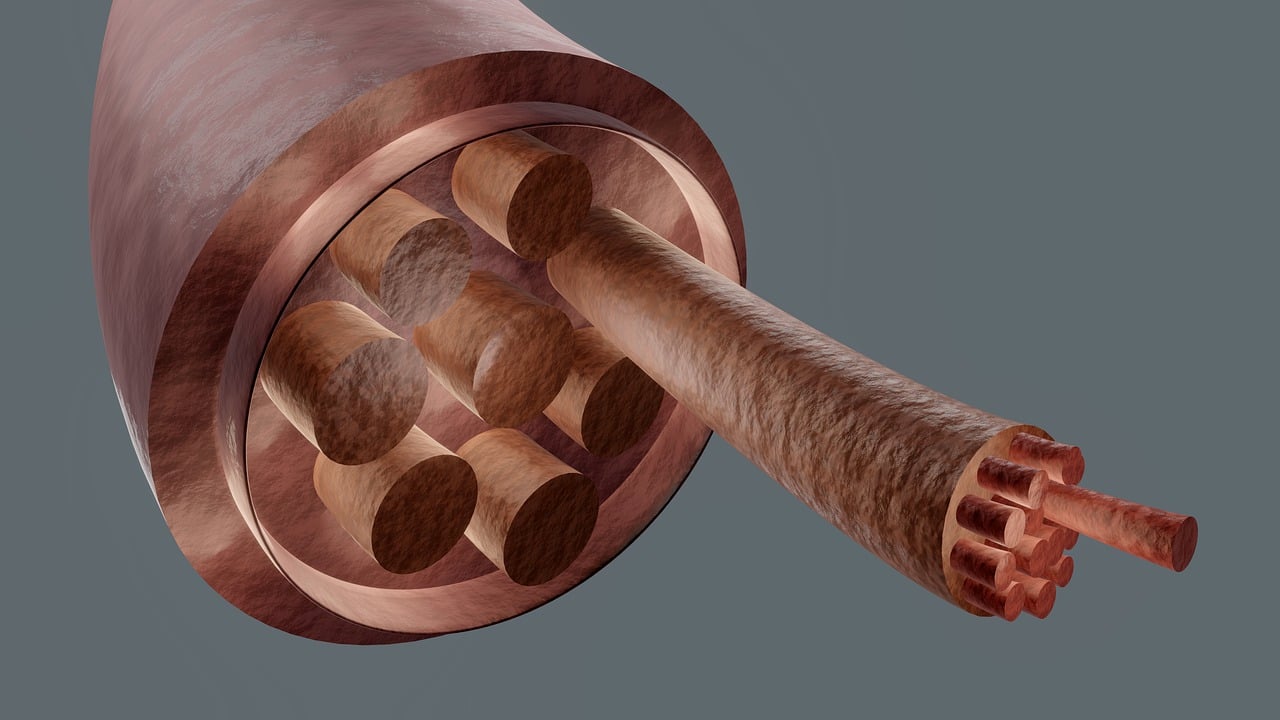

The Role of Motor Units in Muscle Contraction
Motor units are essential components of muscle contraction, serving as the basic functional entity for voluntary muscle activity. Each motor unit consists of a motor neuron and the muscle fibers it innervates, playing a critical role in translating neural signals into muscular movements. When the brain sends a signal to initiate a movement, it activates specific motor neurons that, in turn, stimulate muscle fibers. The size and number of fibers that a motor neuron controls can greatly influence muscle performance. Smaller motor units, typically activated during fine motor activities, consist of fewer fibers, providing greater control and precision. Conversely, large motor units are responsible for gross movements, as they innervate many fibers. The synchronous activation of motor units leads to more powerful contractions, while the recruitment of additional units can enhance force production during high-intensity activities. Pathologies affecting motor neuron function can severely impact muscle strength and coordination, emphasizing the importance of maintaining neural integrity for optimal muscular performance. In summary, motor units play a pivotal role in muscle contraction and overall movement efficiency, highlighting their significance in the field of exercise science.
Types of Motor Units
Motor units can be categorized into three primary types: Type I (slow-twitch), Type IIa (fast-twitch oxidative), and Type IIb (fast-twitch glycolytic). Each type of unit has distinct characteristics that make them suitable for specific functions during physical activity. Type I units are characterized by their endurance capabilities, utilizing aerobic metabolism to sustain prolonged efforts, making them ideal for activities like distance running. In contrast, Type IIa motor units are efficient in both aerobic and anaerobic metabolism, enabling athletes to perform moderate to vigorous activities such as sprinting. Lastly, Type IIb units are tailored for rapid bursts of power and strength. They primarily rely on anaerobic processes, allowing for explosive movements, relevant in sports like football or weightlifting. The recruitment of these different motor units occurs based on the intensity and duration of the activity. Initially, Type I fibers are engaged, gradually followed by Type IIa and IIb as the requirement for strength increases. This orderly recruitment ensures energy conservation in movements, optimizing performance while preventing premature fatigue. Thus, understanding these characteristics assists trainers in developing effective exercise regimens tailored to specific athletic goals.
Motor unit recruitment occurs through a process known as the size principle, which dictates that smaller motor units are recruited before larger ones. This ordering allows for efficient energy expenditure and muscular control, especially during low-intensity activities. As the required force increases, larger units are progressively activated, contributing to faster and stronger contractions. The neural signals that achieve this are primarily influenced by the central nervous system (CNS) and the specific demands of the task at hand. For instance, during warm-up sessions or low-intensity activities, the body primarily uses Type I motor units to perform movements comfortably. However, athletes often switch to larger Type II fibers as performance intensity escalates, allowing them to maximize their output. Understanding the size principle is imperative for trainers and athletes in customizing training protocols aimed at improving both strength and endurance. Various training techniques such as progressive overload can enhance the recruitment patterns effectively. This foundation in motor unit dynamics equips athletes to develop a refined skill set tailored to their sporting requirements, thereby enhancing overall performance levels in any exercise regime.
Neurological Control and Muscle Fatigue
The neurological control of motor units is intricate, relying on the precise timing and frequency of action potentials. When a motor neuron fires, it initiates a wave of activation across the muscle fibers it is linked to, prompting muscle contraction. This process is influenced by the rate coding mechanism, which allows for the modulation of contraction force through increased frequency of neural signals. Moreover, muscle fatigue can dramatically impact motor unit function. Factors such as metabolic depletion, accumulation of metabolic byproducts, or changes in neuromuscular transmission may contribute to fatigue during strenuous activities. For instance, as an athlete continues to exert force, the depletion of adenosine triphosphate (ATP) limits the efficiency of muscle contractions. Consequently, the nervous system may have to recruit more motor units to compensate for reduced force production. Specialized training methodologies that focus on enhancing neuromuscular efficiency can delay the onset of fatigue and improve overall endurance. Techniques such as pacing and interval training are effective in maximizing performance while mitigating fatigue. This understanding of neurological control and fatigue significantly enhances training efficacy in exercise science.
Additionally, the interplay between motor units and muscle fibers is not simply one-dimensional. Various types of muscle fibers can also adapt based on specific training regimens. Aerobic conditioning may transform the metabolic characteristics of Type II fibers, enabling them to take on characteristics similar to those of Type I fibers. This plasticity is advantageous for athletes aiming for improved endurance and performance in diverse sports. The adaptation of motor units can manifest in increased oxidative enzyme levels and improved capillary density within the muscle. Resistance training, particularly heavy lifting, leads to an increase in the cross-sectional area of muscle fibers, which subsequently augments muscle strength and mass. It also enhances the recruitment of motor units through neural adaptations, thereby driving performance improvements. Specifically, the neural adaptations relate to increased synchronization and firing frequency among motor units, which constructs an intricate network of muscle recruitment. Over time, these adaptations enable athletes to perform both lower and higher intensity movements more effectively while maintaining functional strength. Recognizing and leveraging these adaptations can create comprehensive training programs focused on athlete development.
Implications for Athletic Training
Understanding motor unit dynamics carries essential implications for athletic training and performance. Trainers can customize programs that prioritize various motor unit involvement to enhance overall muscle functionality. For instance, endurance athletes may benefit from targeted training that engages Type I fibers exclusively to develop their aerobic capacity. In contrast, strength athletes must incorporate high-intensity lifting protocols to engage Type II motor units, maximizing power output. Furthermore, functional training modalities that utilize compound movements can help integrate various motor units within a single workout, promoting comprehensive movement efficiency. This multifaceted approach enables identification of muscle weaknesses and imbalances, thereby facilitating more effective performance improvements. Additionally, incorporating varied training stimuli such as plyometrics enhances the adaptability of motor units, preparing athletes for diverse physical demands. By recognizing the specific needs of their sport, trainers can optimize neuromuscular responses, which are crucial for achieving peak athletic performance. Ultimately, the scientific understanding of motor units influences exercise regimes, improving efficacy and reducing the risk of injury. Overall, applying this knowledge helps to unlock new levels of performance potential for athletes in any competitive sport.
In conclusion, motor units play a crucial role in muscle contraction, establishing a vital relationship between neuromuscular control and exercise performance. From the small, precise movements associated with fine motor skills to the powerful contractions of explosive athletic efforts, motor units facilitate the communication of signals necessary for effective movement execution. Their recruitment patterns, metabolic characteristics, and response to various training modalities provide insight into how athletes can tailor their training regimens to enhance performance. The ability to understand and manipulate motor unit dynamics offers a powerful tool for coaches, trainers, and athletes in the realm of exercise science. Recognizing the importance of motor units emphasizes the need for individualized training strategies that consider an athlete’s specific requirements, goals, and experiences. By focusing on enhancing motor unit recruitment and efficiency, athletes can achieve optimal performance outcomes and maintain strong capabilities throughout both training and competition. This foundational knowledge not only enhances performance but also fosters injury prevention and athletic longevity. Therefore, the study of motor units remains a fundamental aspect of neuromuscular physiology that continues to evolve alongside the sport science landscape.