
Physical Therapy and Fitness Integration for Amputees
Adaptive fitness for amputees is essential to enhance their overall quality of life and physical abilities. Effective integration of physical therapy with fitness regimens can facilitate this process, allowing amputees to regain strength and confidence. Physical therapists play an important role in designing personalized fitness plans that accommodate individual needs and capacities. These tailored plans often include a combination of exercises aimed at improving cardiovascular endurance, muscle strength, and flexibility while ensuring they align with the prosthetic’s range of motion. Furthermore, the utilization of state-of-the-art adaptive equipment, alongside traditional methods, can significantly aid an amputee’s journey to rehabilitation. Identifying specific goals, whether they be functional mobility or sport-specific skills, is crucial in this respect. Additionally, group fitness programs provide social support, enhancing motivation and fostering a sense of community among participants. Engaging in shared workouts not only uplifts spirits but also encourages friendly competition, which can be highly beneficial. Continuous assessment and adaptation of fitness programs ensure progressive improvements and promote independence in daily activities.
The Role of Adaptive Equipment
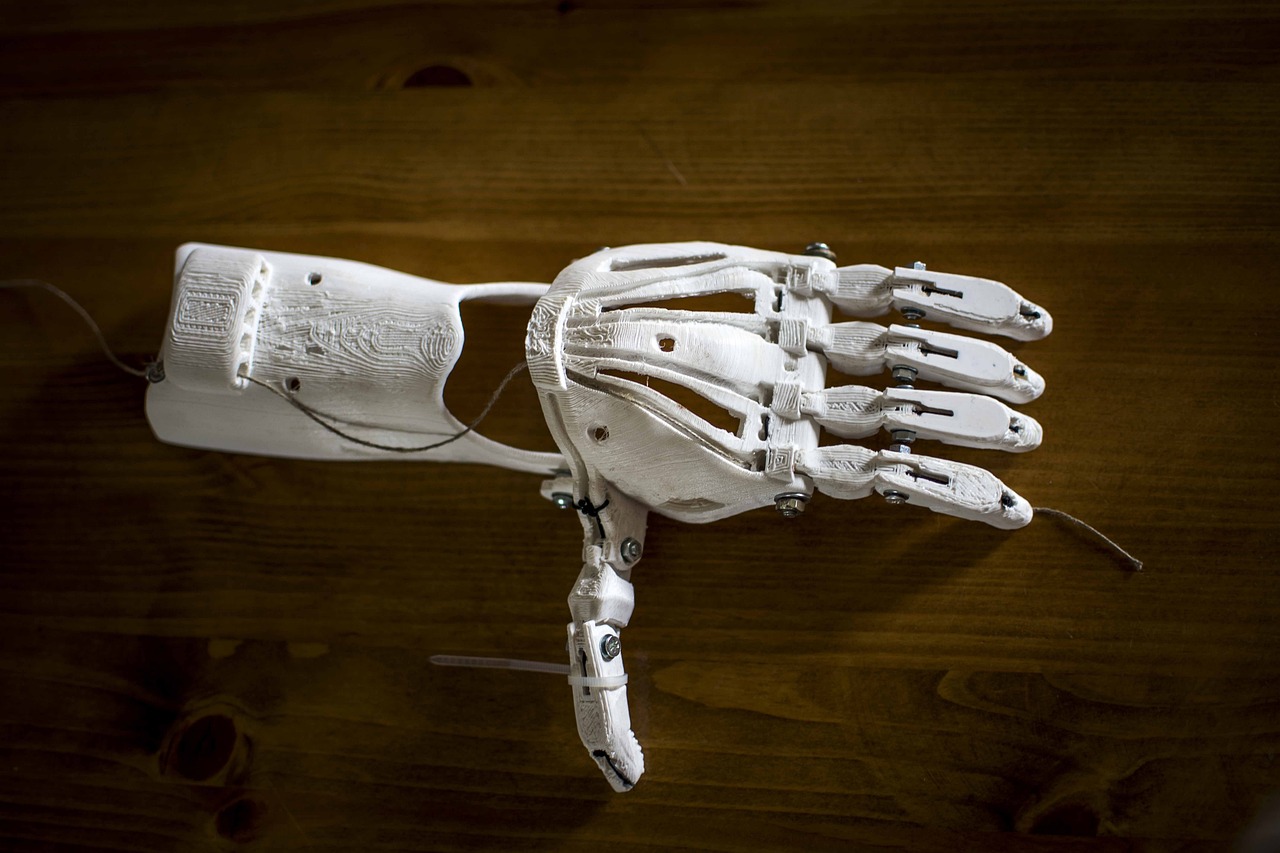
Adaptive equipment can significantly enhance the physical capabilities of amputees, making fitness activities more accessible and enjoyable. Examples include specialized prostheses designed for various physical activities, such as running, cycling, and swimming. These devices cater to the unique requirements of each amputee, ensuring they provide the necessary support and functionality. Furthermore, utilizing modified gym equipment that accommodates different prosthetic designs allows for comprehensive workouts. Resistance bands and dumbbells are versatile options, adaptable to various levels of fitness and strength. For cardiovascular training, adaptive bikes and hand cycles present an excellent alternative for lower limb amputees and upper limb amputees respectively. These pieces of equipment not only aid in physical conditioning but also encourage social interaction and community involvement in fitness programs. Many rehabilitation centers and fitness facilities are increasingly investing in adaptive technology, thus, promoting inclusiveness. Exercise classes designed specifically for amputees foster an encouraging environment that emphasizes adaptation and resilience. It is important for instructors to have training in adaptive methodologies to provide effective guidance and support. This leads to a more engaging fitness experience that addresses both physical and emotional needs.
Nutrition also plays a pivotal role in the recovery and fitness journey for amputees. Proper nutrition can aid in healing and physical conditioning, and it significantly impacts overall health and performance. Nutrition plans should emphasize a balance of macronutrients, focusing on proteins, healthy fats, and carbohydrates, to fuel workouts and recovery. Tailored meal plans can be beneficial, considering unique metabolic demands and activity levels of individuals. For instance, higher protein intake can be advantageous for muscle regeneration post-exercise. Moreover, staying hydrated is essential, especially during workouts, to maintain optimal performance and prevent fatigue. Nutritionists or dietitians specialized in adaptive fitness can provide invaluable insights and support. Workshops and cooking classes may also present opportunities to educate amputees on preparing nutritious meals easily. Additionally, meal prep can offer both convenience and reassurance, allowing individuals to maintain their dietary objectives. The combination of a balanced diet with a personalized fitness program can lead to improved performance and functionality. It is crucial to note that every individual requires different nutritional needs, thus, a customizable approach is required.
Emotional well-being also must not be overlooked in the fitness journey for amputees. The psychological impact following limb loss can be significant, leading to feelings of isolation or low self-esteem. Integrating supportive mental health strategies within fitness regimes can help alleviate some of these concerns. Counseling or support groups specifically focusing on amputees can create safe spaces to share experiences and challenges. These programs can teach coping strategies beneficial for adjusting to life with a disability. Furthermore, fostering connections through community involvement in fitness activities can combat loneliness. Regular check-ins with fitness professionals can provide essential encouragement and prompt discussions relating to mental health. Incorporating mindfulness practices within training, such as yoga and meditation, can significantly enhance emotional resilience. It allows amputees to focus on their physical capabilities while fostering a positive mindset. Positive affirmations and setting realistic fitness goals can further enhance motivation, providing a sense of accomplishment. Athletes in adaptive sports often exhibit strong mental resilience, serving as role models and sources of inspiration. Their journeys reflect the determination necessary to overcome adversity.
The significance of community support in the athletic journey of amputees cannot be understated. Peer support networks can play an integral role in providing encouragement, sharing experiences, and fostering motivation. Fitness programs that incorporate social elements, like group workouts or competitions, create opportunities for camaraderie and bonding among participants. Participants often find motivation in watching others overcome challenges, which elevates their own spirits. Furthermore, adapting environments that accommodate amputees promotes inclusiveness, demonstrating that fitness is attainable for everyone. This inclusivity encourages a broader understanding of disability and resilience in society. Many organizations work to advocate for inclusivity within public spaces, ensuring that access to fitness facilities is available to everyone. Engaging in fundraising events or awareness campaigns can create broader community involvement, driving support for adaptive fitness initiatives. These events can help raise funds for improved resources and adaptive technologies while also promoting athletics. Through collective efforts, communities can empower amputees to pursue their fitness goals. Learning stories of resilience can inspire both participants and spectators alike, illustrating the profound impact of adaptive fitness.
Engaging in Sports
Participating in adaptive sports can further enhance the fitness journey for amputees. These sports often provide not only physical benefits but also avenues for personal and social development. Teams or clubs dedicated to adaptive sports allow individuals to connect with others facing similar experiences. Sports such as wheelchair basketball, adaptive rowing, and para-athletics can provide exciting platforms for athletic expression. These activities often create a strong sense of belonging and community, which is vital for emotional well-being. Competition in adaptive sports emphasizes skill development, teamwork, and perseverance, allowing participants to push their personal limits. Additionally, adaptive sports offer opportunities for national and international competitions, instilling pride among participants and building motivation. Furthermore, organizations providing initiatives for adaptive sports often have educational resources to help newcomers learn the ropes. Coaches with specialized training can further assist athletes in developing their skills. The shared experience of engaging in sports helps promote awareness of disability in the broader community. These activities are instrumental in redefining perceptions of disability and showcasing the capabilities of amputees.
Finally, embracing the journey towards fitness involves ongoing education and adaptation. Continuous learning in adaptive fitness and therapy techniques equips both professionals and participants with the necessary tools for progress. Workshops or seminars focusing on the latest research in adaptive fitness can provide valuable insights to optimizing training methods. It is also paramount for fitness professionals to maintain a current understanding of adaptive technologies, thus ensuring they can provide the best guidance. Additionally, feedback from enthusiasts within the adaptive community is invaluable for enhancing fitness programs significantly. Engaging in dialogue fosters a collaborative environment that embraces innovation and adjustment. As fitness landscapes continue to evolve, adapting to new trends can lead to modernized approaches in workouts and therapy. Importantly, sharing success stories and encouraging mentorship can greatly inspire newcomers. Building a culture around learning and sharing ensures collective growth within adaptive fitness. This ongoing commitment to education contributes towards continual improvement of physical and emotional outcomes for amputees. Ultimately, the combination of fitness, therapies, and community support makes a lasting impact on the rehabilitation of amputees.
Conclusion
The integration of physical therapy and adaptive fitness creates a holistic approach crucial for the success of amputees in their fitness journeys. This includes focusing not just on physical healing but also on emotional and community aspects that significantly impact overall well-being. From personalized exercise programs to supportive peer networks, each component plays an integral role in fostering resilience and independence. As accessibility to adaptive resources increases, a shift in societal perceptions towards individuals with disabilities is also underway. The importance of adaptive fitness will constantly progress, promoting an inclusive environment that encourages participation. By embracing technology, adhering to nutritional guidelines, supporting mental health, and engaging in sports, amputees can embark on transformative journeys that improve their lives. Community involvement can further enhance these experiences, providing individuals with additional motivation and support. The conclusion is clear: adaptive fitness is more than just physical; it is about creating opportunities and fostering empowerment. Continuous efforts toward inclusive practices will pave the way for a healthier and more accepting society. Therefore, embracing these opportunities is vital in transforming lives and reinforcing the belief that everyone is capable of greatness when given the right resources and support.