
Enhancing Motivation Through Visual Progress Tracking in Project Management Software
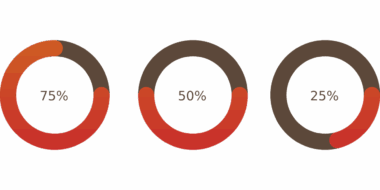
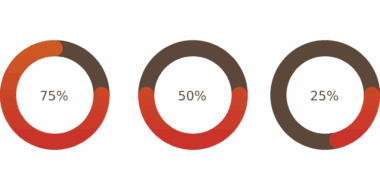
In the realm of project management, visual progress tracking significantly boosts team motivation. When team members can see tangible progress, it ignites a sense of accomplishment and drives them to maintain performance. Various tools provide charts, graphs, and visual indicators to showcase project status actively. These visuals break down complex data into digestible formats, making it easier for teams to grasp the project’s flow. Moreover, visually displaying milestones and achievements impacts team morale positively. Acknowledging small wins in projects encourages the team to propel through challenges. Additionally, visual progress tracking fosters transparency, allowing all team members to understand their roles and contributions. As responsibilities become clear, accountability increases, which enhances the team’s collaboration. Visualization techniques in project management software also bridge communication gaps. The interactive interfaces enable discussions around updates and adjustments. By leveraging visual tracking, project managers can effectively engage their teams, ensuring they remain aligned with objectives. This approach not only keeps everyone informed but also reinforces the goal of achieving targets. Consequently, measurable visual feedback becomes an essential ingredient in sustaining motivation and productivity throughout the project’s lifecycle.
The essence of effective project management is clarity, which visual progress tracking enhances remarkably. When using project management software, it’s crucial to utilize tools that offer intuitive displays that everyone can follow easily. This clarity reduces confusion, making it easier for team members to concentrate on critical tasks and priorities. Moreover, well-defined progress visuals minimize the need for extensive meetings. Instead of lengthy discussions, teams can point to specific data displayed graphically. These visuals become talking points during check-ins, fostering better communication efficiency. By simplifying complexities, project teams can spend more time working rather than debating. Cultivating a visual culture within project teams promotes proactivity. When members can visualize their tasks, they often feel more responsible for completing them. This enhanced sense of ownership boosts engagement levels, resulting in a more dynamic and committed workforce. Also, with scheduled updates on progress visuals, team leaders can deliver feedback promptly. Quick, constructive feedback based on visualized data ensures that team members are on the right track. As a result, productivity can increase, hitting targets more reliably while maintaining high morale and motivation throughout the project’s progress.
The Role of Visual Milestones in Project Management
Visual milestones in project management software are pivotal in enhancing team motivation. When teams can see upcoming deadlines and completed phases right in front of them, it creates excitement and anticipation. These milestones serve as checkpoints through which team members can measure their contributions against the overall project goals. This reflection inspires a sense of achievement as milestones are met, leading to a positive feedback loop. Using software to represent milestones graphically fosters pride in collective accomplishments. Furthermore, visual milestones allow for better planning and time management. Teams can allocate resources more effectively by viewing deadlines and upcoming tasks visually. This approach enables members to prioritize their workloads and focus on what truly matters, reducing potential stress. In a broader context, recognizing various project phases creates opportunities for celebration. Celebrating milestone completions motivates teams to persist through the remaining stages. Sharing success stories bolsters team cohesion, reinforcing group identity and unity. Through celebratory meetings, teams express gratitude for each other’s talents and contributions, which significantly enhances overall morale, thus promoting a healthy work culture.
Another essential aspect of visual progress tracking is its ability to highlight areas needing improvement. With project management software providing visual cues, team leaders can quickly notice when progress stalls or faces challenges. Identifying these slowdowns enables prompt action to mitigate risks. For instance, visual indicators can showcase tasks that are behind schedule, prompting discussions on potential solutions. This proactive approach allows teams to address issues before they escalate into larger problems. Moreover, visual tracking fosters collaboration among team members as they can communicate openly about challenges and share insights into how to overcome them. Everyone becomes part of the problem-solving process, enhancing teamwork and efficiency. This culture of support emphasizes collective success rather than individual performance. As team members feel empowered to voice their concerns and suggestions, innovation flourishes. Team morale improves when individuals recognize that their input has value. The combination of visual progress tracking and collaborative problem-solving creates an environment where team members feel engaged and motivated. Consequently, this synergy ensures that projects not only stay on track but also thrive creatively, resulting in high-quality outcomes.
Integrating Visual Tools in Project Management Software
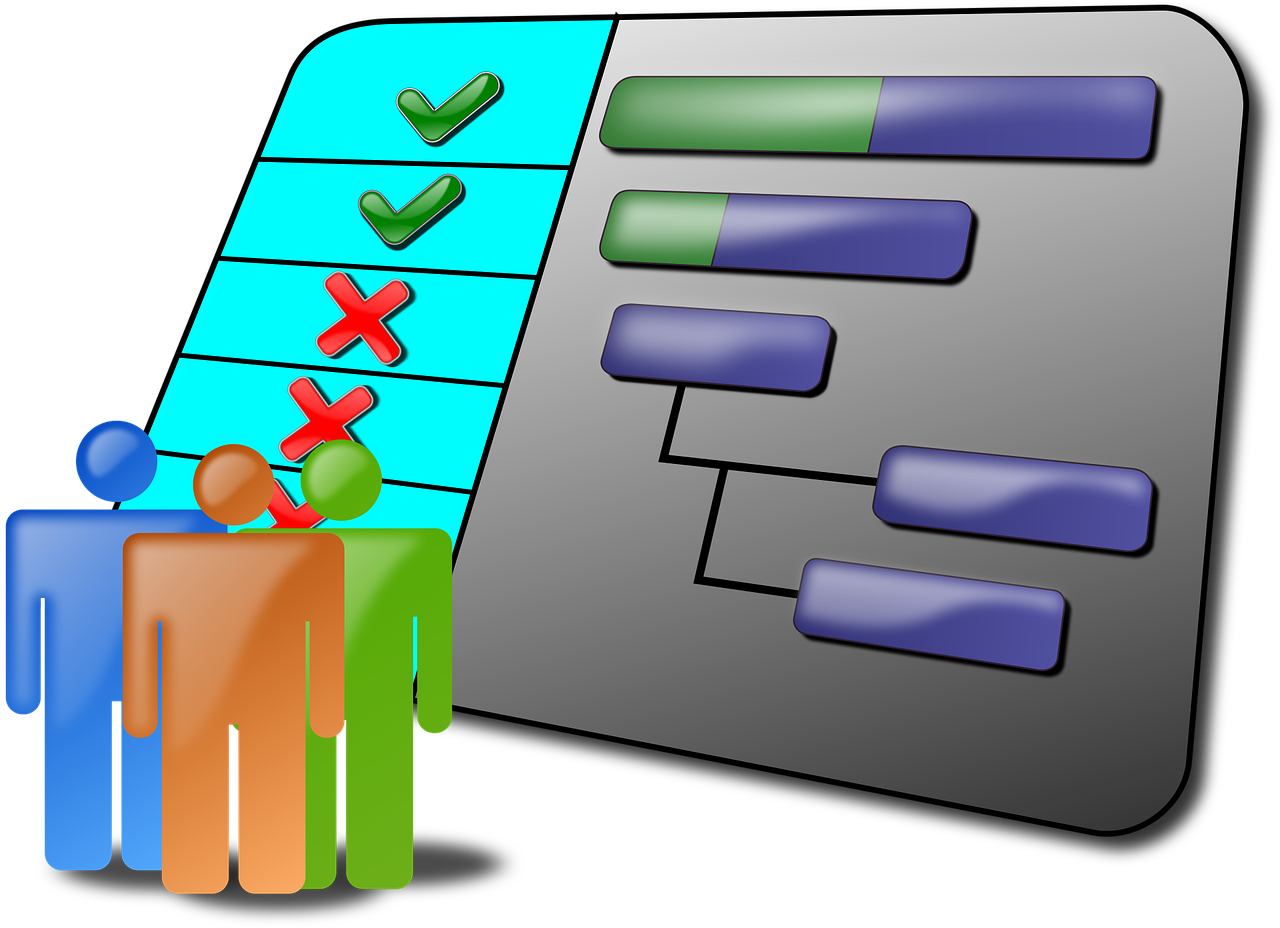
Integrating visual tools into project management software enhances the overall user experience and boosts efficiency. A well-designed interface offers various visual elements, such as Gantt charts, Kanban boards, and pie charts. These tools help team members stay organized by presenting information in an easily digestible format, reducing cognitive overload. When individuals can navigate the interface swiftly, their productivity invariably improves, leading to a more engaged workforce. Additionally, customization features allow teams to tailor visual tracking tools to fit unique needs. Organizations can select colors, icons, and layouts that resonate with their mission and branding. This personalization fosters a sense of belonging and attachment among team members towards the software. Furthermore, the integration of visual reporting tools streamlines progress updates. Instead of manually compiling reports, project managers can quickly generate visual summaries that convey crucial project data. This efficiency frees up time for team members to focus on completing key tasks. As a result, the software is not just a management tool but becomes a vital partner in the project development journey, contributing to a cohesive team environment.
Training team members on using visual tracking tools effectively is crucial. Providing comprehensive onboarding ensures that everyone is equipped to leverage these tools to their fullest potential. Interactive tutorials or workshops can help familiarize individuals with features and functionalities. Such initiatives create a confident workforce that isn’t afraid to explore the software. Ongoing training sessions reinforce continuous learning, allowing teams to adapt to updates or new features as they emerge. It is essential to encourage questions and discussions during these sessions, fostering a community of learners. Moreover, periodically soliciting feedback on the visual tools can lead to valuable insights. Team members often have unique perspectives on usability that can guide software improvements. By maintaining an effective feedback loop, teams feel valued, reinforcing morale and ownership. As team members witness their suggestions implemented, they become more invested in the process. Ultimately, providing robust training not only enhances productivity but also cultivates an inclusive environment. An engaged workforce embracing visual progress tracking tools is empowered to achieve more significant milestones and push the boundaries of success in project management.
The Long-Term Benefits of Visual Progress Tracking
Embracing visual progress tracking technology generates long-lasting benefits for project teams. The initial motivation derived from visual tools often evolves into a culture of excellence. As teams become accustomed to tracking progress visually, they continue to seek methods to improve. Continuous assessment and reflection enhance problem-solving capabilities, fostering a proactive approach that benefits future projects. Long-term success lies in developing a mindset focused on progress rather than merely completion. This mindset promotes resilience, allowing teams to bounce back from setbacks and adapt to challenges dynamically. Additionally, organizations that prioritize visual tracking discover enhanced client satisfaction. By delivering projects on time and adhering to quality standards, businesses can establish their reliability and professionalism. Positive client experiences lead to repeat business and referrals, further solidifying an organization’s market position. Moreover, consistent use of visual tracking tools generates valuable historical data. This data can inform future project planning, enabling teams to anticipate challenges and streamline processes. In essence, the integration of visual progress tracking not only shapes successful project outcomes but also cultivates a continual drive for improvement, innovation, and excellence across projects and teams.
Ultimately, visual progress tracking serves as a vital catalyst for driving motivation, collaboration, and success in project management. By incorporating intuitive tools and practices, organizations can create a thriving environment filled with engaged team members committed to collective goals. As communication, accountability, and ownership flourish within project teams, various stresses commonly experienced during project management are alleviated. The heightened sense of accomplishment encourages team members to pursue new challenges courageously, enhancing their skills and professional growth. With clear visibility into project progress, team leaders can make informed decisions, minimizing risks and ensuring successful project deliveries. Therefore, organizations investing in effective project management software that emphasizes visual progress tracking not only motivate their teams but also position themselves for long-term success. It is evident that aligning motivation with visual tracking leads to better project outcomes, happier teams, and a healthier work culture. This dynamic relationship ensures that organizations remain competitive, innovative, and responsive to market needs. Consequently, organizations must embrace this evolution in project management to harness the full potential of their teams.