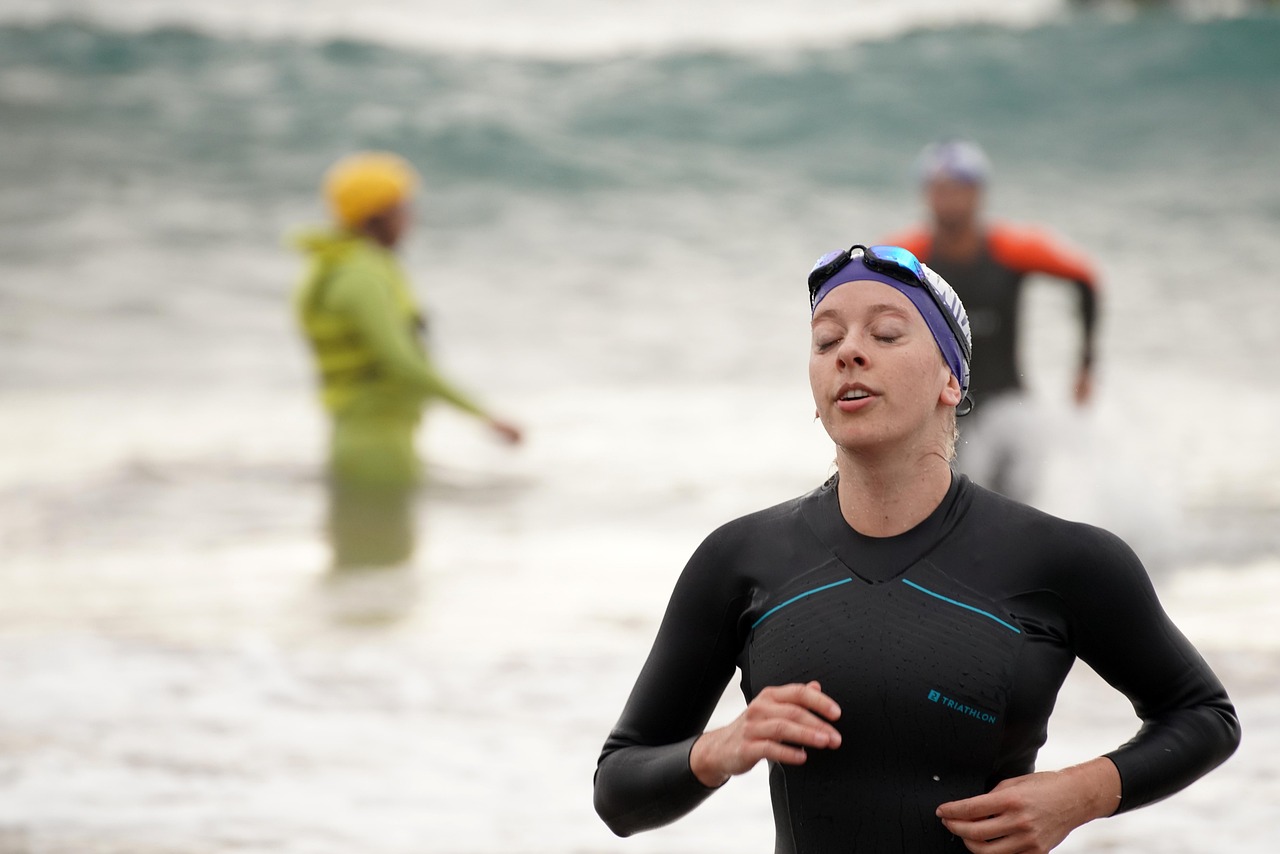

Cross Training Tips to Prevent Triathlon Injuries
Triathletes often focus intensely on swimming, cycling, and running, yet neglecting overall fitness can lead to injuries. Integrating cross-training into your regimen is vital for injury prevention. This approach diversifies your workouts, allowing different muscle groups to strengthen while giving a break to the primary muscles used in triathlon sports. Consider including activities like yoga, which improves flexibility and strength, reducing strain. Other options like rowing or elliptical workouts can enhance cardiovascular fitness while being gentler on joints. Aim for a balanced routine that incorporates various movements to ensure optimal performance and minimize injury risk. Specific workouts focusing on core strength play a crucial role. By focusing on core stability, you promote better biomechanics while running and cycling. You should also include strength training tailored for triathletes. Using a combination of weights and resistance training fosters muscle endurance and supports those high-impact activities. Always aim for low-impact options. Set clear training goals, maintain a consistent schedule, and listen to your body’s signals. Cross-training helps create well-rounded athletes who possess the versatility needed to excel in triathlons.
Incorporating varied cross-training activities not only keeps your training engaging but also reduces the risk of overuse injuries. Overuse injuries are prevalent among triathletes due to repetitive motion across long durations. By integrating different modalities into your training, you allow specific muscle groups to recover while maintaining fitness levels. For example, swimming provides a full-body workout, relieving pressure on joints while enhancing cardiovascular endurance. Cycling, similarly, permits a lower impact workout and strengthens the legs without high stress on the knees. Consider adding Pilates or resistance bands for effective strength workouts that focus on stabilizing muscle groups. These workouts assist in developing functional strength critical for triathlon success. Each sport requires unique strength and conditioning, so work on tailored exercises to target those requirements. Additionally, monitor your recovery time. Implementing rest days and active recovery strategies is equally important for healing and strength gains. Track your training volume and adjust as necessary, ensuring you remain injury-free. Utilizing tech, like mobile apps, allows you to monitor your sessions effectively. Always pay attention to any signs of discomfort or pain, adapting your training accordingly. Proper planning in your training can prevent injury.
The Role of Flexibility
Flexibility plays an essential role in reducing injuries in triathletes. Muscles that are flexible can adapt to the demands of endurance sports more efficiently. To enhance flexibility, devote time to stretching before and after your workouts. Dynamic stretching can effectively warm up your muscles, preparing them for strenuous activity. Static stretches help cool down and are important post-exercise to aid recovery and mitigate soreness. Focus on areas often tight in triathletes, such as hip flexors, hamstrings, and calves. Incorporating mobility exercises can also enhance joint function and range of motion. Yoga and foam rolling can facilitate a gradual increase in flexibility. Both methods can also improve your body awareness, which benefits overall athletic performance. Regular flexibility work complements core strengthening exercises, enhancing your posture and biomechanics while competing. Notably, developing hamstring and quadriceps flexibility reduces strain on the knees, an area prone to injury during high-impact activities. It can take time to build flexibility, so be patient and consistent. Consider attending workshops or class sessions related to proper stretching techniques. A well-rounded approach to flexibility keeps your body resilient against injuries common in training.
Nutrition is crucial when considering injury prevention as a triathlete. Your body undergoes significant stress during intense training, so proper nutrients are essential for recovery. Focus on a balanced diet rich in protein, healthy fats, and complex carbohydrates to fuel your workouts. Consuming antioxidants through colorful fruits and vegetables helps reduce inflammation, supporting muscle recovery post-exercise. Additionally, staying hydrated is vital; dehydration can impair performance and can lead to injuries. Make sure to hydrate before, during, and after training sessions. Individual hydration needs vary, so listen to your body’s cues. Consider consulting a nutritionist who specializes in sports to tailor a meal plan that best suits your training goals. Implementing supplements may also be beneficial; for instance, omega-3 fatty acids support joint health, while protein powders can enhance recovery. Always ensure supplements align with your dietary requirements. Consider timing your meals around workouts too. Eating a small meal or snack rich in carbohydrates an hour before your training sessions can inform your energy levels positively. Ensure ample recovery meals within 30-60 minutes post-training as well. The right nutrition is a significant adjunct to cross-training, supporting injury prevention.
Rest and Recovery
Rest and recovery are vital aspects of a successful training regime and integral to preventing triathlon injuries. Prioritizing recovery time permits your body to heal and adapt to stress from workouts. Fatigue can lead to poor form, increasing the likelihood of injuries. Develop a recovery plan including strategies like good sleep hygiene, ensuring you get adequate rest every night. As sleep significantly impacts recovery, aim for 7-9 hours of quality sleep to facilitate muscle repair and rejuvenate your mind. Implementing active recovery days featuring light exercises, such as walking or easy cycling, stimulates blood flow without intense strain. Incorporating rest days into your training schedule ensures you do not push yourself too hard. Customize your training plan to consider personal recovery needs. It could be helpful to log your training and recovery phases, assessing how your body responds to different workloads. Deliberating on your progress helps adjust future training plans to avoid burnout. Always listen to your body and adjust your training based on how you feel. Managing fatigue and resting adequately is a formidable strategy against injuries for every triathlete.
Proper technique in every sport you engage in is crucial for effective cross-training as it influences both performance and injury prevention. Maintaining an optimal form during swimming, cycling, and running reduces strain on specific muscle groups and joints. Consider working with a coach or an experienced triathlete who can assess your technique, offering constructive feedback. Videos or technology can be helpful in analyzing your moves during training sessions. For swimming, ensure that your stroke is efficient to minimize shoulder stress, a common injury area. Cycling mechanics should involve proper bike fitting to protect your knees and hips from unnecessary wear and tear. In running, pay attention to your foot strikes and posture; a midfoot strike is generally preferred over heel striking to reduce injuries. Practice drills can enhance your technique and improve your efficiency. Regular assessments throughout the training cycle allow you to spotlight any areas needing improvement. Establishing and maintaining good training habits fosters a stronger athlete. Proper technique requires time and perseverance to master but promises significant improvements in performance and injury avoidance, essential for successful triathlon endeavors.
Cross Training and Mental Health
A comprehensive approach to triathlon training incorporates not only physical techniques but also mental wellness. Engaging in varied cross-training activities promotes mental health, which is critical for sustaining high-performance levels. The monotony of repetitive training can lead to burnout and motivation loss. Therefore, diversifying workouts helps keep your routine fresh and exciting. Outdoor activities like cycling can rejuvenate your spirit through nature exposure. Moreover, incorporating team sports or group classes aids in social bonding with like-minded athletes, increasing your motivation. Mindfulness practices such as meditation or deep-breathing exercises can improve focus and clarity, particularly when intense training becomes overwhelming. To support your mental contentment, set realistic goals to track your progress and celebrate small achievements along the way. By recognizing milestones, you maintain an optimistic outlook towards your training journey. Avoiding detrimental comparisons with others can help foster a healthier mindset too. It’s essential to prioritize your mental health alongside physical training for overall well-being. Listening to your body’s and mind’s signals is paramount, ensuring you remain on track both physically and emotionally while striving for triathlon excellence.
This final segment should summarize the crucial elements of integrating cross-training to mitigate injuries in triathlon preparation. Focus on establishing a balanced training routine that includes swimming, cycling, and running along with various forms of cross-training. Strength, flexibility, nutrition, rest, and mental well-being play important roles in this equation. By pairing different training modalities, modify stress levels and help prevent overuse injuries common among triathletes. Emphasize how recovery and maintaining proper technique contribute significantly to longevity in the sport. Use tracking tools to monitor your training intensity and make adjustments as necessary. Additionally, embrace flexibility and adaptability as a proponent of successful triathlon preparation. Building a supportive community will further enhance accountability and camaraderie. It’s essential to remember the holistic approach while training; performance stems from a blend of physical and mental readiness. By integrating these diverse components, athletes can foster a proactive stance in preventing injuries while enhancing their triathlon performance. Following sensible guidelines will result in success, ensuring not only fitness but also enduring passion for the sport. Achieving triathlon goals requires a thoughtful and comprehensive training strategy.