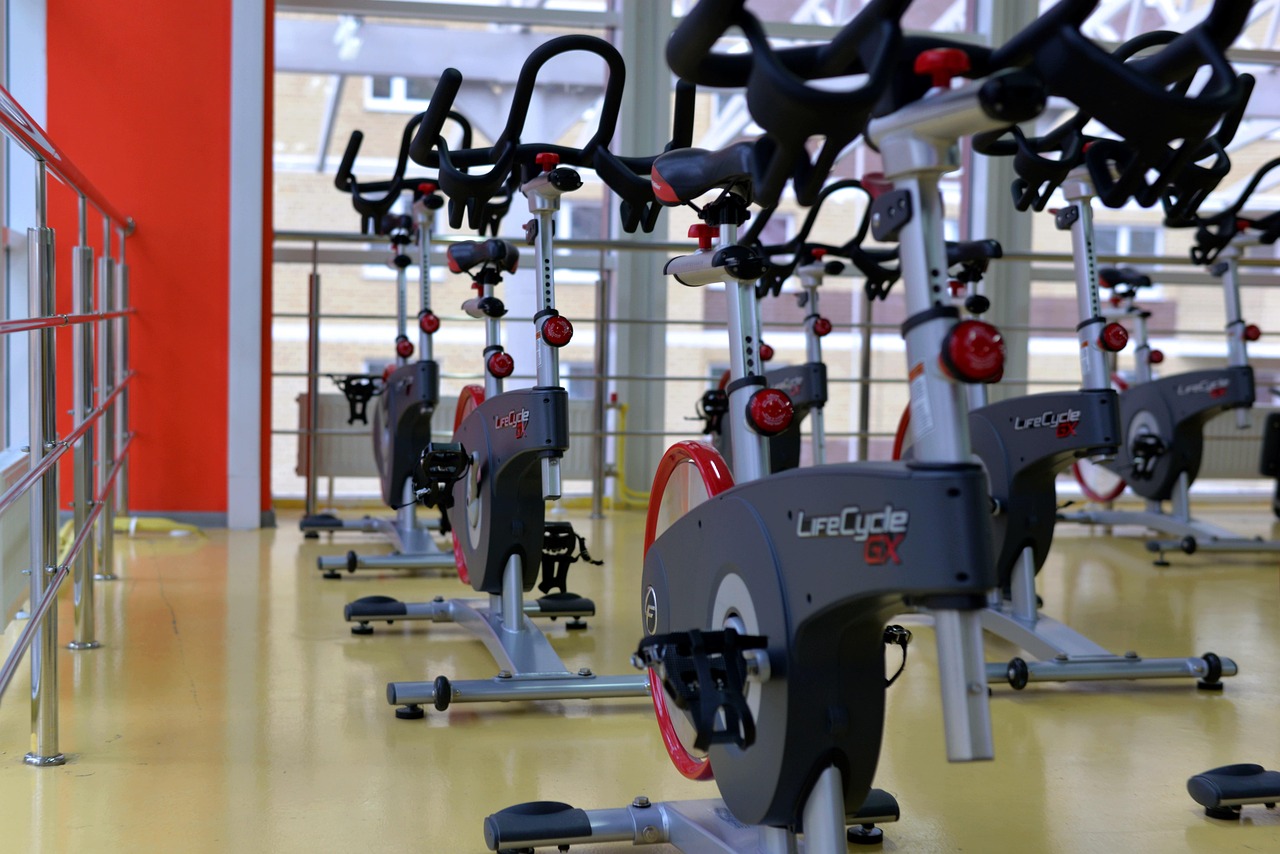

The Benefits of Indoor Spinning for Outdoor Cyclists
Indoor spinning has gained popularity among outdoor cyclists for various reasons. The consistent environment allows cyclists to train effectively regardless of the weather conditions. Rain or snow doesn’t affect indoor sessions, meaning cyclists can maintain their training regimens throughout the year. With structured classes available at local gyms or clubs, riders can benefit from professional instruction that helps enhance their skills. Additionally, the motivation of a group setting can lead to improved performance. Friends and fellow cyclists encourage each other, creating an engaging atmosphere that is hard to replicate outdoors. Notably, indoor spinning also enables cyclists to focus on specific aspects of their cycling technique. For instance, resistance settings can be adjusted to mimic various terrains, allowing cyclists to simulate hill climbs or sprints. This targeted training can critically improve endurance and strength over time, making the transition back to outdoor rides smoother and more effective. Furthermore, it provides an opportunity to work on pacing, which is essential for long-distance rides. Therefore, combining indoor spinning with outdoor cycling could lead to overall better physical conditioning.
Spinning is an efficient way to enhance one’s cycling skills. By incorporating interval training into indoor sessions, cyclists can increase their cardiovascular fitness significantly. The variety in workout routines helps to prevent boredom and encourages a well-rounded fitness approach. It incorporates strength training elements as well by mimicking climbs and quick sprints which enhances leg strength. Weight loss is another key benefit of indoor cycling, enabling participants to burn calories at a higher rate compared to other forms of exercise. This is particularly beneficial for cyclists looking to shed excess weight to improve their overall cycling performance. Furthermore, indoor spinning is low-impact, making it an excellent choice for individuals recovering from injuries. It reduces the risk of major stress on joints while allowing athletes to stay active. As a supplemental training method, indoor spinning can be tailored to fit any cyclist’s schedule, giving flexibility. It can be done at home with minimal equipment or at gyms with high-quality stationary bikes. Many modern spinning bikes have advanced features like heart rate monitors, making it easier to track performance metrics, hence cyclists can hone their training effectiveness.
Improved Endurance and Stamina
Regular indoor spinning workouts have been shown to significantly improve endurance and stamina. As cyclists consistently push their limits with various intensity levels, their bodies adapt over time, enhancing aerobic capacity. This means they can ride longer distances at a greater speed outdoors after just a few indoor sessions. The controlled environment allows cyclists to easily measure progress, leading to goal setting which further boosts motivation. For outdoor cyclists, this enhanced endurance translates into more enjoyable rides and the ability to conquer challenging terrains. Riders may find themselves tackling steep hills or long distances with better ease and efficiency. Additionally, since spinning classes often last 45 minutes to an hour, they simulate the time required for long outdoor rides, thus preparing the body for extended efforts. Moreover, the high-energy atmosphere in spinning classes – often accompanied by motivating music – encourages cyclists to push through tough intervals. This mental conditioning is equally crucial for outdoor biking, as riding can often be mentally challenging when fatigued. Consequently, the improvement in both physical and mental endurance gained from indoor spinning can lead to more successful outdoor cycling experiences.
Another unique benefit of indoor spinning is the ability to engage in varied training techniques and adapt quickly. The use of different resistance levels challenges cyclists, allowing them to experience a diverse workout routine that cannot always be replicated outdoors due to uncontrollable factors. For instance, during an outdoor ride, wind and traffic can hinder the effort; indoors, cyclists can focus entirely on their performance. Building on that, many classes incorporate strength elements such as using heavier gears to increase muscle recruitment, resulting in stronger legs. This facet complements outdoor cycling where strength is essential in overcoming challenging climbs. Moreover, spinning sessions can cater to all fitness levels, making it accessible for beginners and experienced cyclists alike. Newcomers can ease into cycling with foundational skills and gradually build their abilities. The chance to learn proper form and technique from instructors ensures that everyone can maximize their potential. Thus, whether you’re aiming for weight loss or improving endurance, spinning offers tailored options suitable for all current fitness levels. To sum up, this adaptability makes indoor cycling an invaluable additional training tool for cyclists.
Enhanced Motivation and Support
Participating in indoor spinning classes allows cyclists to discover an unparalleled sense of community. It’s incredibly motivating to share the experience with fellow fitness enthusiasts who share similar goals. This supportive environment encourages individuals to push their limits and strive for the best results. Notably, many cycling clubs and gyms offer indoor spin sessions, which fosters camaraderie among local cyclists, creating strong social bonds. Regular interaction builds friendships, making the training less of a chore and more enjoyable. Furthermore, knowledgeable instructors contribute significantly by providing guidance and motivation throughout the workout. Their ability to correct form ensures cyclists achieve the most from their training sessions. For those who may struggle with self-discipline during solo rides, group classes become an effective accountability tool. The scheduled sessions become a commitment, preventing missed workouts. Spinning also introduces friendly competition; gauging personal performance against peers propels cyclists to improve. Group rides become even more enjoyable on outdoor adventures, as these new friendships have formed through indoor spinning. Thus, the blend of motivation, support, and community makes indoor cycling advantageous for those seeking camaraderie in fitness.
Incorporating indoor spinning into an outdoor cyclist’s routine can prevent burnout. Cycling outdoors for extended periods can sometimes become tedious, leading to a decrease in enthusiasm and motivation. Spinning provides variation to combat these feelings while ensuring riders remain invested in their exercise regimen. The different format of indoor cycling classes creates excitement and encourages a refreshed mindset towards cycling. This mix keeps cyclists eager to get on their bikes, be it indoors or outdoors. With less focus on being outside, individuals often find themselves more willing to ride despite external conditions, ultimately leading to a consistent workout habit. Additionally, indoor sessions allow for enhanced recovery days by maintaining a light intensity while still cycling. These workouts can help flush out soreness from prior outdoor rides, enabling better recovery and preparation for future rides. By alternating between both indoor and outdoor cycling, athletes can significantly improve their physical and mental attitude towards exercise. Overall, the diverse training approach allows riders to sustain long-term passion for cycling, resulting in a more balanced and enjoyable experience on two wheels.
Conclusion on Indoor Spinning for Cyclists
In conclusion, indoor spinning delivers various remarkable benefits to outdoor cyclists. Enhanced endurance, improved mental resilience, and a sense of community create an invaluable training environment. The ability to focus on specific techniques also allows cyclists to allocate time efficiently, enhancing fitness levels. Moreover, the adaptability offered by spinning makes it an excellent supplement for riders of all levels. Whether a novice or seasoned cyclist, the engaging nature of group classes keeps participants motivated and promotes camaraderie. Consistently incorporating indoor spinning can lead to considerable improvements in overall performance. Ultimately, this enriching experience leads to greater fulfillment and enjoyment in cycling. The advantages extend beyond pure fitness, fostering a supportive network of cyclists committed to progression together. Therefore, integrating indoor spinning into a training regimen is a wise decision for anyone serious about taking their cycling to the next level. For those interested in joining local spinning classes, be sure to search for options available nearby. By doing so, outdoor cyclists will pave their way toward achieving goals while simultaneously enjoying the journey.