
Innovative Progress Tracking Methods Beyond the Scale
In the fitness community, tracking progress extends beyond just weighing oneself on a scale. Many individuals find value in using various innovative methods to monitor their fitness journey. For example, progress photos provide a visual account of transformation and achievement. These images allow individuals to see the physical changes that may not be evident with numbers alone. Additionally, individuals can leverage performance metrics to track improvements in strength and stamina. Metrics like personal bests in lifting weights or running speed can greatly enhance motivation. Other methods include keeping a fitness journal, enabling participants to jot down daily workouts, food intake, and emotional states. This practice promotes mindfulness and encourages accountability. Another exciting approach is tracking body measurements, as often, changes in inches can be more telling than pounds lost. Wearable fitness trackers collect data on heart rate, steps, and sleep patterns, giving a comprehensive look at one’s overall health. Finally, joining online communities can provide support and motivation, enhancing the overall tracking experience. Utilizing a diverse range of metrics helps create a holistic view of health and fitness progress.
Using Technology for Effective Tracking
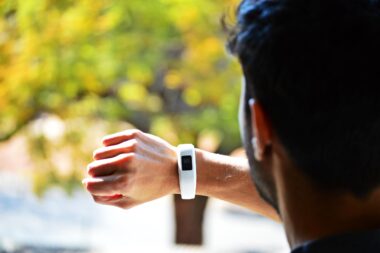
Technology has revolutionized how we track fitness progress in modern times. Various fitness apps are available that help individuals log workouts, meals, and even emotional well-being. Users can set specific goals and share achievements with their social connections, lending motivation and support. Heart rate monitors and smartwatches play a vital role in monitoring cardiovascular health, offering real-time feedback on exercise intensity. Not only do these devices track physical activity, but they also guide users on recovery and rest, emphasizing the importance of balance in training. Moreover, virtual coaching platforms allow for personalized training plans that’s based on individual progress tracking. Users receive tailored workout routines and nutritional advice, enabling them to reach their goals efficiently. The integration of these technologies creates a reliable support system, encouraging accountability through notifications and reminders. The rise of video fitness classes has also made it possible for individuals to engage in group activities from home. Overall, leveraging technology enhances the fitness tracking experience, making it more interactive and beneficial. As fitness continues to evolve, new technological advancements will likely emerge, streamlining how we monitor our journeys.
Incorporating mindful practices alongside physical training enhances the process of tracking fitness progress. Mindfulness can affect how individuals perceive their fitness journeys, allowing them to focus on overall well-being rather than just aesthetics. By practicing yoga and meditation, individuals cultivate a deeper connection with their bodies, making them more aware of initial health challenges and successes achieved along the way. Listening to our bodies goes a long way in understanding what works and what doesn’t within our own unique fitness journey. Additionally, combining self-reflection with physical training aids better goal setting and realistic expectations. Seeing progress becomes more about feeling stronger, more energetic, or agile rather than purely about losing weight. Mood tracking adds another layer to fitness journeys, emphasizing mental health as part of the overall experience. People often experience emotional changes when tackling fitness goals. By noting these aspects, it becomes easier to address setbacks and celebrate wins. Thus, incorporating mindfulness teaches the importance of focusing on personal health universally, creating a supportive framework through which individuals can track their growth beyond just the physical.
Community Support and Progress
Participating in a supportive fitness community can significantly enhance progress tracking. When individuals share their journeys with like-minded people, they often gain insights and motivation that simply cannot be found in isolation. Many find strength in communities such as workout groups, online forums, or even social media platforms devoted to fitness. These spaces offer encouragement, as well as access to diverse experiences and strategies from others on similar paths. Engaging in communal activities such as fitness challenges further boosts accountability, creating opportunities for individuals to share progress. Regularly participating in group workouts fosters camaraderie, making the process enjoyable rather than a solitary task. Online platforms can facilitate sharing achievements through photos, stories, and feedback, inspiring collective progress. Celebrating milestones with peers often leads to a more positive outlook on one’s journey, diminishing fears related to setbacks. Fitness communities enable individuals to learn from others and explore alternative tracking methods, such as logging shared experiences in group settings. Overall, the motivation and support gained from communal involvement can amplify a person’s fitness journey, making tracking progress a shared celebration among friends.
Integrating lifestyle changes alongside fitness routines promotes effective long-term progress tracking. Adjusting daily habits can offer comprehensive insights into overall health. For instance, nutritious meal prepping allows individuals to maintain consistent energy levels while supporting fitness goals. Tracking hydration also plays a fundamental role, as adequate water intake is essential for optimal performance and recovery. Engaging in regular sleep cycles is crucial for muscle recovery, making it important to prioritize rest within tracking systems. Creating a consistent sleep schedule helps ensure that individuals retain energy for workouts and daily tasks. Furthermore, utilizing habit-tracking apps can simplify the integration of these changes into everyday routines. The positive effects of these habits display progress beyond what can be recorded on a scale. As individuals adapt to their new lifestyle, they may find improvements in mood, energy, and focus. Measuring the duration of workouts and types of exercises performed provides additional insights into personal commitment. Assessing mental clarity relates directly to overall progress. By focusing on these diverse aspects, the definition of fitness becomes more holistic, accounting for mental and emotional growth alongside physical advancement.
Personal Goals and Adjustments
Setting achievable personal fitness goals is essential for effective progress tracking. Defining both short-term and long-term goals allows for structured accountability and continuous motivation. Individuals must be adaptable to changing their goals based on progress or life circumstances, and adjustments ensure they remain realistic. For example, if a runner’s initial goal is to complete a marathon, but injury occurs, it may be essential to set shorter objectives like increasing weekly mileage post-recovery. Celebrating small victories fosters a sense of accomplishment. Developing a milestone system can help track and reflect on both minor and major achievements. Utilizing a goal visualization technique helps individuals map out their objectives. Creating a vision board encourages individuals to remain focused on what they want to accomplish, even on challenging days. Feedback from personal trainers or peers helps determine whether goals are being met effectively. Additionally, re-evaluating and modifying goals periodically prevents stagnation and frustration. Regularly reassessing fitness objectives empowers individuals to adjust according to newfound insights, continuously fueling their journey. The dynamic nature of goal-setting supports personal growth and lifelong commitment to fitness and well-being.
Ultimately, the importance of diversifying fitness progress tracking methods cannot be overstated. While weighing on the scale provides quantitative data, other tools yield qualitative insights that paint a broader picture of overall health. Engaging in a combination of tracking methods allows individuals to highlight the multifaceted nature of their fitness journeys. Seeing physical transformations through progress photos alongside improved performance metrics can reinforce motivation and encourage individuals to continue on despite challenges. Moreover, sharing these experiences within supportive communities promotes a culture of growth and resilience. Tracking becomes less about reaching a singular target and more about enjoying the diverse experiences fitness offers. Incorporating technology enhances the tracking process through interactive features that foster accountability. Mindfulness practices can improve self-awareness and overall mental health, addressing the emotional journey involved in fitness. As individuals embrace a wide array of methods, sustainability in their fitness pursuits increases, allowing some room for flexibility. Whether it be a challenge faced or a small success celebrated, acknowledging each step cultivates a lasting connection with fitness, ensuring that personal growth continues beyond physical limitations.