
Incorporating Pilates into Chronic Condition Fitness Programs
Pilates is a low-impact exercise regime that is gaining notable traction for individuals facing chronic health conditions. This method emphasizes core strength, flexibility, and balance, making it an excellent tool to enhance overall wellness for these individuals. Many who suffer from chronic conditions such as arthritis, fibromyalgia, or diabetes find that traditional exercise can be too demanding. Pilates, however, adjusts to all fitness levels, enabling personalized routines that maintain safety while promoting health benefits. Incorporating Pilates into fitness programs can lead to improved posture, decreased pain, and increased mobility. Instructors trained in adapting exercises can modify routines, ensuring they cater to specific needs without risking injury. This makes Pilates remarkably inclusive, encouraging participation from those who might otherwise be hesitant to engage in physical activity. Additionally, the focus on mindfulness during Pilates practice can benefit mental health, reducing anxiety and elevating mood. Moreover, working with a qualified instructor proficient with chronic conditions can help individuals gauge their progress and adapt their workouts progressively. This custom approach not only empowers participants but creates a supportive community atmosphere fostering health and wellness.
The Benefits of Pilates for Chronic Conditions
Engaging in Pilates can significantly impact those with chronic conditions, providing numerous physical and mental benefits. Firstly, Pilates enhances flexibility, allowing individuals to move more freely, which is vital for anyone with joint or muscle issues. Increased flexibility can also reduce the risk of injury during other activities. Secondly, the core strengthening achieved through Pilates helps stabilize your body, improving balance and supporting daily movements. Furthermore, mindful movement promoted through Pilates encourages body awareness, enabling better understanding of physical capabilities and limitations. To those managing chronic pain disorders, Pilates often encourages body relaxation and reduces muscle tension, which can lead to less pain in daily life. Additionally, consistency in Pilates practice fosters improved endurance, leading to enhanced fatigue management for those facing chronic fatigue syndrome. Individuals also notice improvements in their overall quality of life as they grow stronger, more confident, and better equipped to handle daily challenges. The ultimate goal is to maintain and improve functional autonomy despite chronic health issues. As such, Pilates meets multifaceted needs that arise from chronic conditions, offering a gentle yet effective fitness solution.
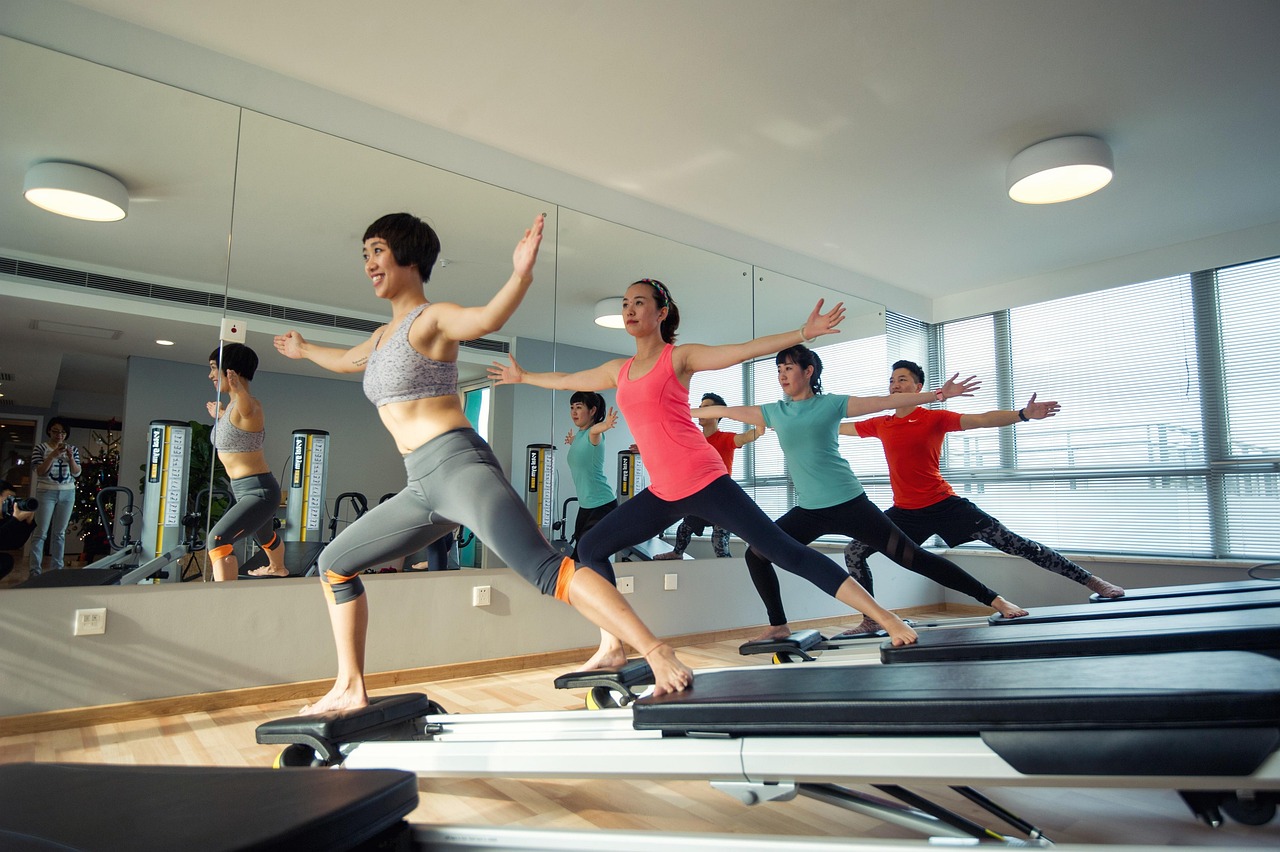
A comprehensive Pilates program tailored for individuals with chronic conditions usually incorporates various exercise principles focused on individual needs. Instructors often utilize modified equipment such as Reformer machines or stability balls to create safe environments for practice. For instance, these tools provide resistance while allowing practitioners to perform movements at their own pace, thus enhancing the overall experience. During sessions, instructors observe and adapt exercises according to participants’ feedback, ensuring safety without compromising challenge. Participants are taught to prioritize proper breathing and alignment, both crucial for effectively executing movements while minimizing strain. Gradually, practitioners notice enhanced strength across different muscle groups, which translates into improved performance in daily activities. Additionally, smaller class sizes often foster personalized attention, creating a supportive community. Building relationships with instructors and peers can inspire engagement and accountability. Moreover, the social aspect of group classes promotes a sense of belonging among participants facing similar challenges. This communal experience not only encourages retention in the program but also enhances motivation. Ultimately, creating positive and supportive can lead to sustained enthusiasm and a commitment to long-term health improvement.
Integrating Mindfulness into Pilates Practice
The integration of mindfulness within Pilates practice enhances the mental component of fitness for those living with chronic conditions. Mindfulness encourages individuals to be present, aware, and reflective during exercises. This heightened awareness can help practitioners understand their bodies better and identify personal limits. For many individuals battling chronic pain, this focus can cultivate a sense of control, which often feels unattainable when faced with persistent health challenges. Practicing mindfulness helps individuals to cultivate acceptance of their condition, reducing anxiety and fostering positivity. Pilates encourages slow, deliberate movements, which complement mindful practices, allowing participants to connect with their breath and physical sensations. This singular approach not only enriches the exercise experience but promotes relaxation, facilitating a decrease in stress levels. Through mindfulness, practitioners have reported improvement in their overall mental health, experiencing boosts in mood and reduced stress. Furthermore, they feel empowered to manage their conditions actively, thus enhancing their engagement in fitness programs. This holistic approach to fitness ensures that both the mind and body benefit, leading to a more integrated, health-enhancing experience for individuals facing chronic conditions.
Exercise programs targeting chronic conditions integrate diversified Pilates routines into weekly schedules, ensuring routine yet varied practices. Scheduling multiple classes a week encourages consistency in practice, which is imperative for continued success. However, allowing for variability prevents boredom and promotes engagement. It’s also essential to include different types of Pilates classes, such as mat-based or reformer classes, providing varied experiences. Individuals can choose what feels comfortable and according to their unique fitness levels. Having multiple options ensures participants can find suitable sessions, which promotes adherence and long-term commitment. Seasonally adapting the focus can further enhance the fitness experience; for instance, summer sessions may incorporate outdoor Pilates, offering fresh air and new environments. While consistency cultivates familiarity, variety stimulates continued growth and development in skills and strength. Practitioners are thus encouraged to communicate openly with their instructors regarding preferences and goals, as shared feedback can help tailor future experiences. Ultimately, a well-structured program that allows for personalization and variation strengthens commitment. By encouraging exploration and ensuring adaptability in practice, individuals gain confidence while navigating their journey with chronic health conditions.
Challenges and Solutions in Implementation
While Pilates offers immense benefits to individuals with chronic conditions, implementing such programs can present particular challenges. One challenge often highlighted is accessibility; not everyone has convenient access to specialized Pilates classes or trained instructors. Addressing this issue, studios can work toward offering community classes at reduced costs, increasing availability for more participants. Moreover, developing online Pilates programs can facilitate accessibility for home practitioners unable to attend in-person classes due to constraints. Virtual platforms can also allow for diverse participant engagement from various geographical locations. Additionally, instructors must ensure they possess training in adapting exercises for their specific chronic conditions and understand their clients’ individual limitations. This specialized knowledge is paramount to delivering safe and efficient classes. Equipment accessibility is another critical factor; providing necessary apparatus can often be a barrier. Studios should consider investing in adaptable equipment tailored explicitly for individuals with mobility challenges to accommodate these various needs. Throughout the exploration of solutions, promoting inclusiveness and understanding within the Pilates community enhances access and engagement for participants. Ultimately, overcoming these challenges ensures exercise remains an option for all individuals living with chronic conditions.
In conclusion, Pilates is a valuable and adaptable exercise method for those with chronic conditions, providing myriad benefits for both mind and body. Incorporating Pilates into chronic disease fitness programs promotes long-term improvements in physical, emotional, and psychological health. Such benefits empower individuals, helping them navigate their health journeys with renewed confidence and resilience. Through a commitment to maintaining a safe and inclusive environment, instructors can create tailored experiences to support individual challenges, encouraging a sense of community among participants. Resistance training offered through Pilates helps combat symptoms related to chronic conditions while enhancing strength, balance, and flexibility. Additionally, the mindfulness fostered within each session fortifies mental health, allowing practitioners to experience higher levels of relaxation and positivity. The combination of physical and mental support ensures that participants can develop a holistic approach to managing their health. By offering structured classes designed to facilitate progress and adaptation, the Pilates method serves as an effective tool for empowering those facing chronic challenges. Ultimately, exploring Pilates can lead to a healthier, more fulfilling lifestyle for individuals affected by chronic conditions.