
How Hydration Influences Energy Levels
Hydration plays a critical role in maintaining energy levels throughout the day. The human body consists of roughly 60% water, which is vital for nearly every bodily function. When you’re even mildly dehydrated, your energy levels can drop significantly. Dehydration can lead to fatigue, confusion, and a general lack of motivation. When water intake is insufficient, the body struggles to maintain temperature, transport nutrients, and eliminate waste products. As a result, it becomes imperative to consume adequate fluids. Beyond just drinking water, you can increase hydration through foods like fruits and vegetables. Also, consider consuming beverages that are rich in electrolytes. Proper hydration ensures that cells can operate optimally, leading to better mental clarity and physical performance. Remember, your body continuously loses water through sweat, urine, and respiration, so replenishing fluids is essential. Keeping a filled water bottle accessible can remind you to drink throughout the day. It’s recommended that adults drink approximately eight 8-ounce glasses of water daily, although individual needs may vary based on activity level and climate. Keeping hydrated is a simple yet effective way to boost overall energy levels.
Understanding your hydration needs can optimize both physical and mental performance. When engaging in physical activity, hydration becomes even more essential to sustained energy. Athletes often drink more fluids, particularly during intense workouts to replace lost fluids. Dehydration can lead to decreased endurance, increased fatigue, and impaired cognition. Notably, cognitive functions such as focus, memory, and decision-making all rely on sufficient hydration. A dehydrated brain can exhibit symptoms similar to fatigue, making it harder to concentrate. It’s essential to plan your hydration schedule according to your daily routine. Drinking enough water before, during, and after exercise can aid recovery. Incorporating fruits high in water content, like watermelon and strawberries, can supplement your hydration efforts. Using hydration tracking apps can help monitor daily intake. Listening to your body is equally important; signs of dehydration include dark yellow urine and increased thirst. Individuals assessing their hydration levels should prioritize color and frequency of urination as indicators. Setting reminders to drink water at regular intervals can ensure that you meet your fluid intake goals. Thus, staying hydrated is crucial for maintaining high energy levels and optimal bodily functions.
Energy and hydration directly correlate through metabolism, as water is essential for nutrient absorption and distribution. When you’re well-hydrated, your metabolism functions efficiently, helping your body convert food into energy. On the other hand, dehydration can slow down metabolic processes, affecting energy production. This slow metabolism can hinder your weight management efforts and lead to fatigue. Moreover, insufficient water intake impacts blood circulation, reducing oxygen transport to muscles and organs, causing increased feelings of tiredness. To examine hydration levels, one can perform the pinch test: pinch the back of your hand, and if the skin doesn’t return to normal quickly, you may need to drink more fluids. Additionally, consider the nutrition of your fluid choices. Water is optimal; however, beverages without added sugars can also help you stay hydrated. Caffeine can have a mild dehydrating effect, so moderation is recommended. Herbal teas and coconut water are excellent choices for hydration. Interestingly, alcohol consumption can lead to increased urine output, further contributing to dehydration. Consequently, it’s vital to maintain balance by consuming hydrating fluids and ensuring proper electrolyte levels to sustain energy throughout the day.
Tips for Maintaining Hydration
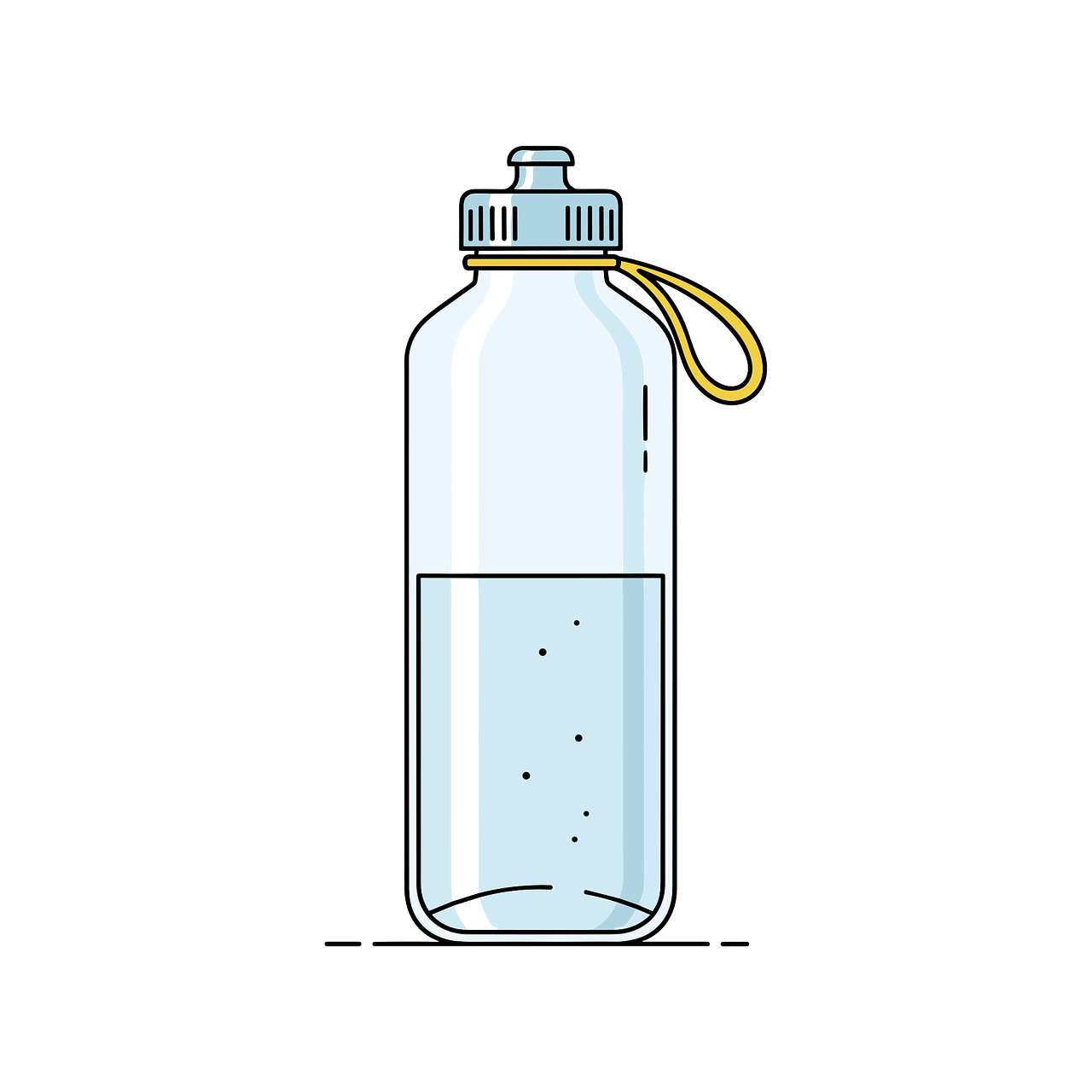
To keep hydration levels in check, consider implementing simple strategies into your daily routine. Start your day by drinking a glass of water upon waking; this sets a positive tone for hydration. Designate a specific water bottle that you can easily carry around, making it convenient to sip throughout the day. To make water more appealing, add slices of lemon, cucumber, or mint for flavor. Many people find it easier to drink more when their water tastes pleasant. Furthermore, setting hydration goals can motivate you to drink regularly. Consider using apps or adding reminders to your phone to prompt you to drink water. During meals, consider drinking a glass of water as well, which can also contribute to full feeling and may help in managing portion sizes. If you exercise, always ensure you hydrate before, during, and after workouts. Pay attention to your body and aim to drink whenever you feel thirsty. Ultimately, regular hydration can boost energy levels and improve overall health. You can explore various hydration products and infusions available on the market to discover what works best for your lifestyle.
Monitoring hydration levels might also involve observing certain physical signs. Drinking sufficient liquids ensures your body remains capable of performing various tasks. Symptoms of dehydration can include dry mouth, fatigue, and headaches, indicating that your fluid intake must be improved. Keep track of the urine color as a practical indicator: pale yellow is ideal, while dark yellow suggests dehydration. Frequent feelings of hunger can also mislead individuals as they may confuse thirst with hunger. Thus, before reaching for a snack, drink a glass of water to see if the sensation dissipates. Hydration should not be viewed as a problem to solve but rather as a simple health habit to develop. Create a routine that includes water breaks throughout your work or study sessions. Sports drinks or flavored water can be appropriate during intense physical exertion, as they not only replace lost fluids but replenish essential electrolytes. Remember that consistency is key; staying hydrated regularly is more effective than loading up on fluids occasionally. Combine hydration with balanced eating and regular exercise for enhanced energy levels and overall wellbeing.
Hydration is not a solitary factor; it influences and is influenced by various lifestyle choices. Factors like environmental conditions, activity levels, and diet contribute to your overall hydration status. For example, hot weather necessitates additional hydration to accommodate increased fluid loss through sweat. Additionally, high-protein diets can lead to higher water needs, so it is essential to adjust fluid intake accordingly. When planning your meals, include water-rich foods such as salads, fruits, and broths to support hydration. Likewise, excessive salt and sugar intake requires more water for processing and elimination. Drinking sustainable fluid sources such as filtered water or herbal teas supports overall hydration. Moreover, creating a hydration chart or journaling can hold you accountable for your intake. Witnessing your progress can motivate you to reach hydration goals consistently. Simple adjustments, such as choosing water instead of sugary beverages, can substantially improve hydration levels and energy. This holistic approach allows for sustained energy levels throughout the day, reducing the likelihood of fatigue. In conclusion, hydration is multifaceted and requires attention to dietary habits, lifestyle choices, and individual body needs.
Conclusion
In conclusion, hydration is a significant component that influences energy levels within the body. Understanding the relationship between water intake and energy can yield substantial benefits for mental and physical performance. Remember, hydration needs can vary greatly depending on factors such as exercise, environment, and dietary choices. Individuals should strive to consume sufficient fluids throughout the day, tailoring approaches to personal lifestyle. Incorporating hydrating foods and monitoring physical symptoms of dehydration can help maintain optimal intake. By committing to hydration routines and recognizing the body’s signals, individuals can sustain energy levels over extended periods. Additionally, encouraging friends and family to adopt a hydration-first attitude can promote overall wellbeing in your community. Engaging groups in hydration challenges or activities can make this journey enjoyable and supportive. As a result, staying well-hydrated not only enhances personal energy but can also foster motivation and clarity for all life’s tasks. Therefore, prioritize hydration and make it an essential part of daily routines for improved energy and vitality. Ultimately, the journey towards better hydration starts with a single step, empowering you to make sustainable choices for a vibrant, energetic life.