
Cultural Differences in Gym Noise Etiquette Explained
When it comes to gym noise etiquette, cultural differences significantly impact the overall experience of exercising in a shared space. Some cultures embrace a more boisterous environment, where vocal encouragement and motivational shouts are commonplace. In contrast, other cultures may prefer a quieter atmosphere that fosters concentration and personal focus. Understanding these differences can enhance the gym experience. In social settings, it’s crucial to observe how others behave regarding noise levels. Acknowledging the norm within your gym environment helps bridge cultural gaps. For instance, in certain gyms, lifting weights may incite applause and shouts, while in others, grunting might be considered rude. Adapting to these norms can lead to better interactions and a more fulfilling experience. Furthermore, gym etiquette doesn’t only revolve around noise but also ties into respect for others’ space, especially in busy settings. Being aware of cultural cues in gym behavior fosters a respectful environment that makes everyone feel welcome to achieve their fitness goals. Ultimately, recognizing various cultural norms promotes understanding and enriches community experiences in diverse gym settings.
Cultural expectations extend beyond just noise; they influence how people perceive gym behavior overall. In some regions, socializing during workouts is seen as a way to build camaraderie, leading to more vocal exchanges. Conversely, in other cultures, maintaining personal space and focus is prioritized. For example, in Scandinavian countries, it’s typical that gym-goers maintain silence during weightlifting sessions to avoid disturbing others. This preference for minimal noise fosters an environment of concentration where individuals can focus entirely on their workouts. Additionally, your familiarity with local customs can determine how well you adapt to different noise levels. It’s essential to observe the reactions of fellow gym members when participating in various activities. While you might enjoy chatting or encouraging others loudly, such behavior can be disruptive in more serene environments. By paying attention to the dynamics of your gym, you can navigate your noise levels appropriately and engage positively with others. Ultimately, recognizing these patterns not only helps you fit in but enhances overall social interaction within the gym. Adequate noise awareness can transform your experience and that of others around you, creating a supportive and respectful atmosphere for all.
Strategies to balance noise levels in the gym often involve active listening and awareness of personal behavior. If you’re accustomed to an energetic workout style, take cues from those around you. Consider your volume when you’re lifting heavy weights or engaging in cardio workouts. Asking friends or observing others can provide insight into the preferred noise culture of a specific gym. Introduce humor and encouragement without going overboard, promoting a lively yet considerate atmosphere. Some cultures appreciate positive reinforcement during exercise but in a subtle manner, ensuring encouragement without overwhelming others. Creating boundaries is key; communicate openly with others when necessary, ensuring engagement in noise levels is understood collectively. If you feel that excessive noise is distracting, don’t hesitate to mention it respectfully to trainers or management. Additionally, utilizing noise-cancelling headphones may allow you to engage socially at your chosen comfort level while minimizing disruption. By fostering a culture of open dialogue regarding noise, everyone can enjoy their workout experience. Ultimately, commitment to shared norms enhances the satisfaction and effectiveness of gym routines, leading to increased member retention and camaraderie throughout the community.
Understanding Appropriate Noise Levels
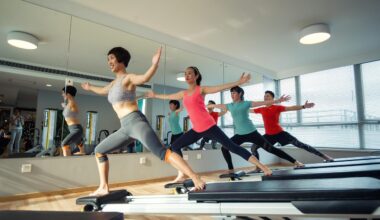
A guideline for understanding appropriate noise levels in the gym involves attentively observing the environment. Some gyms categorize their areas, allowing for different noise intensities depending on the space’s primary function. Gyms often feature distinct zones for intense workouts, such as weightlifting, which may inherently produce more noise than those designated for yoga or Pilates classes. This zoning encourages members to gauge their behavior relative to their location. When lifting heavy, some members might express their strain with grunts, yet those practicing yoga are expected to maintain tranquility. Therefore, it’s helpful to recognize the purpose of each area to model your behavior accordingly. If you’re at a gym known for high energy, don’t hesitate to interact vocally with others during intense workouts as this can foster motivation and a sense of community. Conversely, if surrounded by participants who prefer a calmer atmosphere, consider moderating your sound levels accordingly. Ultimately, being adaptive and aware helps create a more harmonious setting. As members engage respectfully with different noise thresholds, a better communal atmosphere fosters enriched workout experiences, reinforcing the importance of adhering to situational awareness.
Implementing your local gym’s noise norms can also facilitate a collaborative environment among members. This can include discussing preferred workout styles with fellow gym-goers, sharing experiences while respecting noise boundaries. Engaging in light conversations can enhance comfort levels, creating bonds among diverse gym members. Cultural understanding further bolsters encouragement during workouts. Learning about others’ workout cultures may provide insights on how to support one another without crossing boundaries. For instance, offering a nod or smile during a heavy lift shows support without being overwhelmingly loud. Moreover, avoid unsolicited advice unless it’s requested, as this can lead to discomfort or even resentment. Consider fostering a support group among friends with similar fitness goals while adhering to gym etiquette. This approach respects noise limits while allowing for an engaging social aspect. Following the accepted behavioral norms, individuals can discover meaningful connections and camaraderie despite diverse cultural backgrounds. Strengthening community ties ultimately enhances individual safety and motivation levels, contributing positively to gym culture overall. Maintaining that balance allows all to feel valued and respected, allowing everyone to reach their fitness goals collectively while enjoying a culturally enriched setting.
Communicating with Gym Managers
If you find noise levels consistently disruptive, don’t hesitate to communicate with gym managers about your concerns. Respectfully expressing your observations can help initiate changes to accommodate various noise preferences among members. Engaging respectfully with management can lead to suggestions for optimal workout engagement for all, promoting a more welcoming environment. Requesting rules or guidelines regarding noise could prove beneficial for everyone involved. Managers may offer insights into how they develop policies reflecting member interests and cultural sensitivities. Furthermore, encouraging open feedback can contribute to continually adapting the gym experience to cater to diverse preferences. Gym management often welcomes inquiries about establishing an inclusive atmosphere rooted in mutual respect, unifying all members under shared goals. Compiling feedback on community behavior may guide management decisions on policies while promoting a sense of belonging among the gym members. Additionally, managers may reshape workout programming to allow diversified schedules accommodating different noise preferences. An open dialogue with leadership dramatically improves overall satisfaction. Seeking to balance the gym experience strengthens community ties and creates an inclusive understanding of cultural distinctions, leading to improved experiences for all who participate.
A proactive approach toward gym etiquette around noise levels can help set a positive example for others. Engage friends and fellow members in open conversations about how noise affects workouts. Many individuals might appreciate being guided towards optimal noise behavior as collective feedback often enhances overall enjoyment in communal exercise settings. Encourage others to reflect on their noise habits, fostering a respectful atmosphere where everyone thrives. Eagerly participating in managing noise contributes to building a healthy gym culture. As members become more conscious of their environment, they will learn to balance encouragement with discretion, ensuring everyone feels comfortable and motivated. Additionally, create workshops or group discussions centered on etiquette – specifically focusing on noise levels. Workshops designed with localized cultural understandings can bolster camaraderie while honing techniques for managing gym etiquette. By tackling noise-related concerns openly, gym-goers develop a stronger sense of community and accountability. Ultimately, effective communication and mutual respect pave the way for enjoyable experiences. When guided appropriately, everyone can contribute positively towards creating a supportive and enriching fitness environment—allowing the diverse community to flourish as they pursue their health and wellness goals together.
In conclusion, cultural differences play a crucial role in shaping gym noise etiquette, impacting the experiences of all members. Recognizing varying norms around noise levels helps foster a respectful and supportive environment. Members can achieve their fitness goals while remaining considerate towards each other through active listening, awareness, and open communication. By understanding the diverse styles prevalent in different cultures, individuals can adapt their experiences to match various expectations, enhancing their gym interactions. Balancing vocal encouragement with silent support is key, ensuring everyone feels welcome regardless of their background. Whether embracing cultural expressions of motivation or opting for a quiet space, fitness environments thrive on cooperation. Adopting proper noise levels leads to a more harmonious working out atmosphere, creating stronger communities among the diverse gym members. Additionally, gyms may implement more proactive measures to promote cultural acceptance around noise etiquette. This collaborative understanding greatly enriches members, contributing positively to their overall health journey. Ultimately, cultural differences in gym etiquette should foster respect, creating an enjoyable and accommodating space for everyone, where members feel inspired to engage and challenge themselves on their fitness paths.