
Combining Periodization and Functional Training for Muscle Building
Muscle building is a multifaceted process that incorporates various training strategies, among which periodization and functional training stand out. Periodization training involves organizing training into cycles, each with specific goals aimed at enhancing performance and preventing plateaus. By systematically changing volume, intensity, and exercise selection, bodybuilders can optimize their training and recovery, ultimately leading to improved muscle hypertrophy. On the other hand, functional training focuses on improving overall movement patterns and strength necessary for daily activities. This approach enhances muscle coordination and promotes a balanced development across muscle groups, which is crucial for effective training. Integrating these two training philosophies helps to ensure a holistic muscle building approach that not only emphasizes aesthetics but also functional capability. This combination allows athletes to stay strong, stable, and more functional in their daily lives while minimizing the risk of injury. Moreover, understanding the specific phases of periodization can help bodybuilders design their training programs more strategically, ensuring they achieve peak performance when it counts. Thus, a well-structured program using both methodologies provides an outstanding pathway to muscle enhancement and athletic performance.
The Importance of Periodization in Muscle Building
By using periodization training, athletes can better control their progress and adapt their programs to meet greater demands over time. This approach allows for specific cycles focusing on different goals like hypertrophy, strength, and endurance. For instance, an initial hypertrophy phase might include higher repetitions with moderate weights, promoting muscle gain and increasing size. Following this, a strength phase could involve lifting heavier weights with lower repetitions to increase overall muscle strength. Implementing these cycles helps to stimulate different muscle fibers and recovery mechanisms, preventing overtraining, which can lead to injuries. Furthermore, periodization enables athletes to peak at specific times, such as competitions or events, enhancing performance precisely when needed. Adhering to a structured program allows for better recovery, ensuring muscles have adequate time to repair and grow stronger after intense sessions. Properly designed periodized plans also take into account the individual differences in recovery capacity and response to training, highlighting the importance of tailoring programs to the individual athlete’s needs. This adaptive approach ultimately maximizes gains while ensuring sustainability in muscle building efforts.
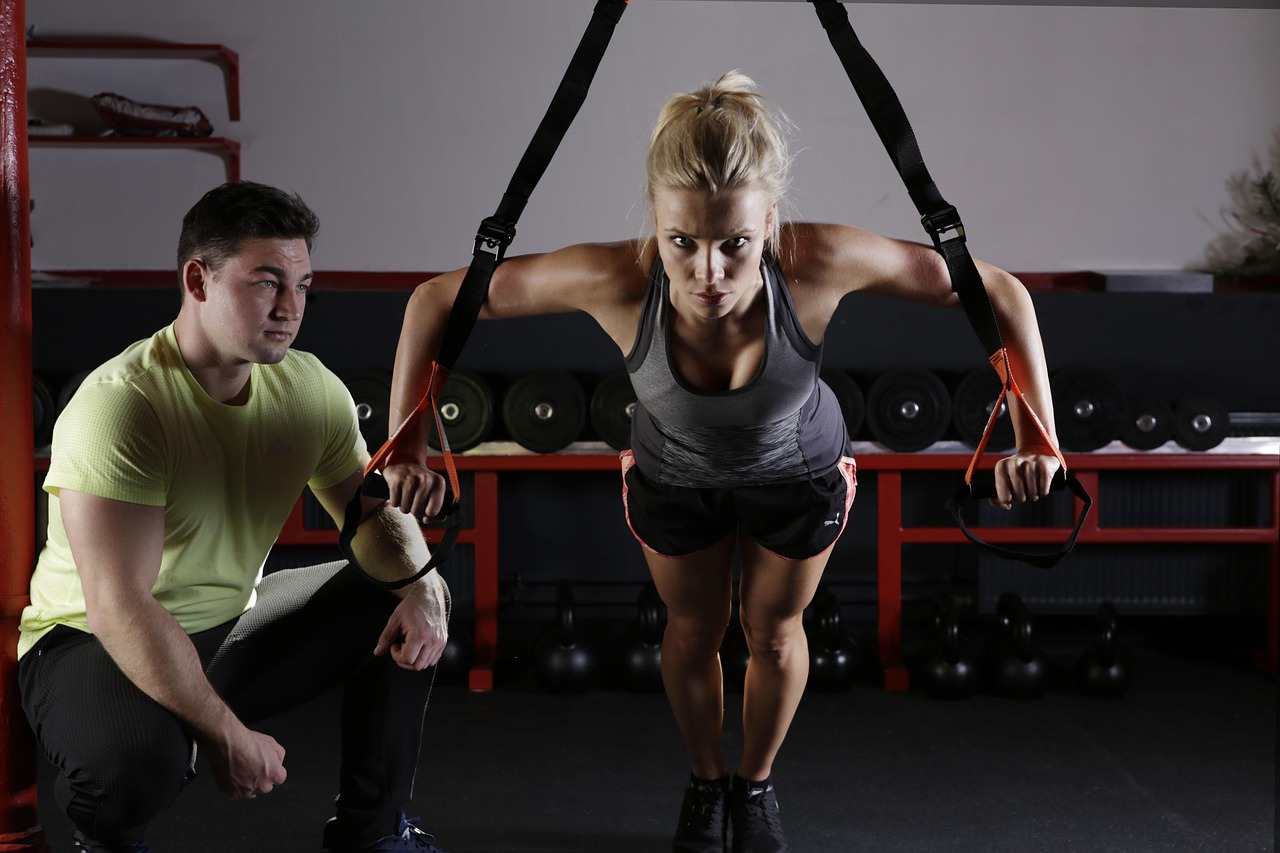
Functional training has gained popularity alongside periodization for its efficiency in improving athletic performance. Unlike traditional weightlifting, which may isolate muscles, functional training emphasizes the movements used in everyday life. This approach trains multiple muscle groups simultaneously, promoting better overall coordination and stability. It helps in developing strength applicable to real-life scenarios, enhancing an athlete’s performance both in the gym and when engaging in daily functions. Incorporating exercises such as squats, lunges, and kettlebell swings, functional training promotes balancing muscle growth while eliminating weaknesses. By integrating compound movements, it improves overall muscle recruitment and engagement, which leads to more effective workouts. Additionally, functional training often incorporates elements of core stability and mobility, crucial for injury prevention. The synergy between functional training and periodization lies in their complementary nature; while periodization organizes the training process, functional training ensures that the workouts have a practical application. Athletes can develop their muscle-building potential while improving the functional strength necessary for performance enhancement and daily activities. The integration of these methodologies not only elevates muscle gains but also adds a practical dimension, ensuring athletes remain strong and agile.
Key Techniques for Integrating Periodization and Functional Training
Integrating periodization with functional training involves several strategically designed techniques tailored to enhance overall performance. One effective method is to include functional exercises within each periodization phase, ensuring specific goals are met while building practical strength. Athletes may perform resistance training combined with balance and mobility exercises during hypertrophy phases. This prepares muscles for heavier loads in subsequent strength phases. Furthermore, using Olympic lifts or plyometrics during strength sessions can promote explosiveness and power, vital for both athleticism and muscle building. It’s essential to consider recovery days within the periodized training schedule; incorporating functional mobility or stability sessions during these periods can help maintain muscle engagement without overloading them. Additionally, assessment and feedback play crucial roles in ensuring proper progression over time. High-level athletes should schedule regular evaluations for their performance and adaptations, allowing adjustments in training emphasis or techniques as needed. Utilizing advanced techniques such as varying rest intervals or adjusting resistance levels keeps stimuli fresh and promotes muscle growth. Overall, this strategic combination not only drives muscle gains but also enhances overall fitness levels necessary for performance in competitive sports and daily activities.
The balance between strength and flexibility is another critical component when merging periodization and functional training regimes. As muscles develop, it is equally essential to focus on muscle elasticity and joint range of motion to prevent injuries and ensure optimal performance. In every phase of periodization, athletes should include mobility drills and dynamic stretches to maintain flexibility while working on strength and hypertrophy. This practice improves overall decision-making during functional movements, leading to enhanced balance and control. Simple exercises such as yoga, Pilates, or dynamic warm-ups can be integrated effectively to promote a full range of motion. By mixing these activities, bodybuilders enhance their ability to perform explosive movements without risking strain or injury. Additionally, integrating core stabilization workouts boosts muscle strength across various planes of movement, essential for everyday tasks. The synergy between strength and flexibility not only facilitates greater muscle development but also contributes to improved posture and overall functional fitness. This balanced approach allows athletes to benefit from the strength-building aspects of resistance training and the functional benefits of mobility training, creating a well-rounded regimen that targets muscle growth and daily functionality.
Monitoring Progress and Adjusting Training Plans
Meticulously monitoring progress is essential for any athlete looking to combine periodization and functional training effectively. Keeping track of metrics such as weight lifted, repetitions performed, and overall workout intensity helps in assessing performance trends over different phases. Regular evaluation aids in making necessary adjustments to the training program based on changes in capacity and specific goals. Utilizing wearable technology or fitness apps can provide insights into heart rate levels, recovery times, and overall exertion, allowing for better-informed decisions. For instance, if progress during a hypertrophy phase plateau, adjustments can include altering workout volume or incorporating new functional exercises to ensure continued adaptation. It is also crucial to listen to the body; signs of fatigue or decreased performance may indicate a need for a deload week or increased recovery. Moreover, syncing recovery techniques, such as foam rolling and active stretching, with training phases enhances muscle recovery. The goal of tracking progress and adjusting plans not only helps athletes reach their performance objectives but also minimizes the risk of injuries that can derail fitness journeys. Consequently, a strategic approach can lead to long-term muscle building success, crafting a robust physique that excels both in and out of the gym.
Lastly, adopting a holistic approach to nutrition plays a crucial role in supporting the combination of periodization and functional training for muscle building. Fidelity to an appropriate diet enhances muscle recovery, growth, and energy levels, enabling athletes to perform optimally in their training regimens. Consuming a balanced intake of macronutrients, particularly proteins and carbohydrates, helps in replenishing the body’s energy stores. Adequate protein intake is essential for muscle repair and growth, while carbohydrates provide the necessary fuel for rigorous functional workouts. Athletes should aim to consume nutrient-dense foods that empower their training efforts and reinforce recovery. Additionally, hydration cannot be overlooked; maintaining optimal hydration levels ensures that muscles perform efficiently during workouts. Setting specific nutrition goals—such as meal prepping, tracking macros, or adjusting caloric intake based on training demands—can create a solid foundation for muscle building. Consulting with a nutritionist may enhance knowledge regarding optimal dietary practices, ensuring athletes tailor their nutritional strategies to support their periodized training goals. Overall, a holistic approach towards nutrition, combined with effective training methodologies, forms a robust strategy for muscle growth and sustained fitness.