
Social Support as a Buffer Against Life’s Stressors
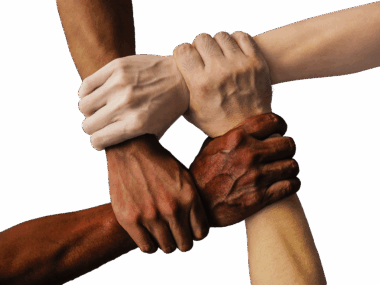
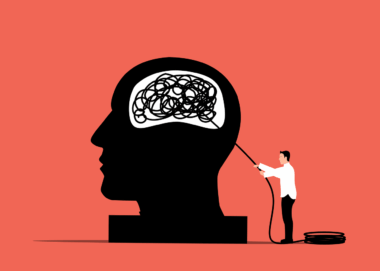
Life is inherently filled with stressors that can have significant effects on our mental and physical health. These stressors include daily responsibilities, challenges at work, and personal relationships. In the face of such difficulties, having a network of support is extraordinarily beneficial. Social support consists of emotional comfort, practical assistance, and counsel from friends, family, or community groups. Studies show that individuals with strong social networks tend to navigate stress more effectively, thereby experiencing lower levels of anxiety and depression. This psychological buffer can reduce the negative effects of stressful life events, leading to greater resilience. It’s important to recognize that not all relationships provide the same level of support. Qualitative factors, such as the quality of communication, reliability, and emotional responsiveness, are crucial. Building and maintaining these relationships requires effort, time, and commitment, yet they often lead to improved emotional well-being. Therefore, fostering social connections can serve as a proactive strategy in managing stress, allowing individuals to feel more secure and valued as they confront life’s challenges.
One of the primary functions of social support is its capability to provide emotional validation during stressful periods. When individuals face difficulties, sharing their experiences with others can foster feelings of connection and empathy. This mutual understanding often decreases feelings of isolation, which can exacerbate stress. Additionally, emotional support can bolster one’s self-esteem, empowering individuals to tackle challenges head-on. In tangible terms, a supportive friend might offer advice or simply lend an ear to listen, both of which are invaluable during tough times. Furthermore, social support can enhance coping strategies; individuals might learn new ways to handle stress based on their interactions with their peers. For instance, discussing a challenging situation can lead to alternative views on how to approach it, ultimately leading to better outcomes. Moreover, those who feel supported are more likely to engage in healthy behaviors, like seeking professional help when necessary. This facet emphasizes the dual nature of social support as both an emotional cushion and a practical resource in managing stress effectively. Hence, investing in social networks can greatly enrich a person’s life, especially when faced with obstacles.
The types of social support can typically be categorized into four groups: emotional, informational, tangible, and companionship support. Emotional support is characterized by listening and providing reassurance during tough times. Informational support involves sharing advice and knowledge, helping the individual to understand the problem better. Tangible support entails practical assistance, such as helping with chores or providing financial aid. Lastly, companionship support includes the presence of others during social situations, reducing feelings of loneliness and isolation. Each type plays a crucial role and can be leveraged according to the person’s unique circumstances. For instance, in a professional setting, informational support might be most relevant, while emotional support could take precedence in personal crises. By recognizing what type of support is needed at any given moment, individuals can more effectively manage stress. It is worth noting that the effectiveness of these types relies significantly on personal preferences and the nature of one’s relationships. Thus, understanding one’s social environment can aid individuals in seeking the most appropriate form of support when navigating life’s inevitable challenges.
The Impact of Technology on Social Support
In recent years, advancements in technology have revolutionized how we engage with social support systems. Social media platforms, online forums, and messaging apps have created opportunities for people to connect, share experiences, and provide support from virtually anywhere. These tools have enhanced the accessibility of emotional and informational support, allowing individuals to maintain connections despite geographical barriers. Online communities can offer encouragement and shared experiences that help mitigate feelings of loneliness. However, the effectiveness of online support may vary; while some find solace in virtual interactions, others may not feel the same level of connection as they do in face-to-face situations. Indeed, the depth of relationships formed online can often differ from those developed in-person. It’s imperative to strike a balance between online and offline interactions to ensure a well-rounded support system. Additionally, people should be cautious about misinformation that can spread over these platforms, which could potentially misguide individuals during stressful times. Therefore, while technology has the potential to enhance social support, individuals must be discerning about their online engagements and recognize the value of traditional, in-person connections.
Among the most significant variables influencing stress management is the quality of interpersonal relationships. Trust, open communication, and reciprocity contribute to the efficacy of social support networks. Close, supportive relationships can play a vital role in buffering the emotional impact of stressors. Research highlights that the quality of these relationships is often more important than quantity; even a few strong connections can provide substantial emotional support. It’s crucial for individuals to evaluate their relationships regularly, identifying those that uplift them as opposed to those that may contribute to stress. Building trust and transparency in communication allows for problems to be openly discussed, fostering a supportive environment where individuals feel comfortable expressing their struggles. Furthermore, those in supportive relationships typically model positive coping strategies, affecting their friends’ resilience. By nurturing these connections, individuals not only benefit themselves, but their peers also thrive in a more positive, less stressful community. Consequently, investing in and prioritizing high-quality relationships can be a powerful tool for managing stress effectively, enhancing overall emotional health and well-being.
Creating Supportive Environments
Building a supportive environment requires active participation and intentionality in both personal and professional spheres. Environments characterized by empathy, understanding, and collaboration foster stronger bonds between individuals. Employers and leaders can encourage a supportive culture by prioritizing mental health discussions and forming peer support groups. Initiatives like team-building activities can enhance relationships and help employees feel more valued and engaged in their roles. Furthermore, individuals can cultivate supportive home environments by simplifying communication and encouraging open discussions about feelings and stressors. Family gatherings, for instance, can act as key moments for members to share their experiences and support one another emotionally. Schools and community organizations also have a pivotal role in creating spaces where individuals feel understood and connected. Programs that promote teamwork, shared responsibility, and mentoring can strengthen communal ties. Overall, when environments are designed with empathy and support in mind, individuals are better equipped to manage stress effectively. Each person’s contribution to nurturing such environments can lead to profound changes within families, workplaces, and communities.
In conclusion, social support stands as a vital buffer against life’s stressors, playing an integral role in enhancing emotional resilience. Through various types of support, individuals can find comfort and practical aids that enable them to navigate challenges effectively. The interplay between technology and interpersonal relationships underscores the need for balance; while digital platforms offer valuable resources, they cannot fully replace in-person connections. Evaluating and prioritizing the quality of relationships fosters a robust support network, which is crucial for stress management. Creating supportive environments requires shared responsibility and communal effort across all societal levels. By understanding the dynamics of social support, individuals can lead healthier, more fulfilled lives, better equipped to face difficulties head-on. The journey towards effective stress management begins with recognizing the importance of social bonds and actively nurturing those connections. As relationships deepen, so too does one’s capacity to cope with life’s inevitable challenges. Ultimately, engaging with our social networks provides invaluable resources that improve our quality of life, promoting both psychological and emotional well-being.