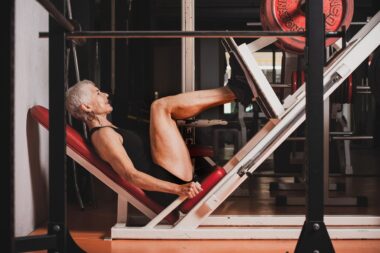

Senior Fitness Tips: Starting an Exercise Routine Safely and Effectively
Engaging in a regular fitness routine is vital for seniors, offering numerous benefits to overall health and well-being. First, it can improve cardiovascular health, helping to lower blood pressure and cholesterol levels, which protects against heart disease. Additionally, strength training can combat muscle loss, ensuring that seniors maintain their independence and mobility. Enhanced balance from fitness activities can reduce the risk of falls, a significant concern for older adults. Joint health also sees improvement through various low-impact exercises that keep them moving pain-free. Engaging in a local fitness community can enrich sociability and encourage accountability, making exercise feel less daunting. Walking clubs and senior-centric fitness classes offer an excellent opportunity for social interaction and support. Also, flexibility exercises can help maintain a wide range of motion, making daily activities easier. Mind-body exercises, such as yoga or tai chi, not only improve strength but also promote a sense of calm and decrease anxiety. Having a fitness routine can dramatically enhance mental health, reducing the risk of depression and loneliness. Therefore, starting an exercise program is not just about physical health but overall well-being.
Understanding Safe Exercise Options
When starting a fitness routine, safety should be the priority for seniors. Always consult with a healthcare professional before beginning, especially if there are pre-existing medical conditions or concerns. A physician can provide personalized advice on the types of exercise suitable for an individual’s health status. Low-impact activities, such as swimming, cycling, and walking, are ideal as they are easy on the joints and reduce the risk of injury. Strength training with appropriate weights helps to build muscle but should be approached with caution to avoid strains. It’s essential to start with lighter weights and gradually increase. Flexibility training is another crucial aspect, helping to maintain mobility and prevent injuries. Classes focusing on yoga or stretching are great starting points. Additionally, utilizing resistance bands can provide a safe way to strengthen muscles without heavy weights. Listening to the body during any exercise is vital; if something feels wrong, it’s essential to stop and evaluate. Hydration before, during, and after exercise cannot be overstated. Staying well-hydrated ensures better performance and reduces the risk of cramps or dehydration.
Setting achievable fitness goals is a smart strategy for seniors. Establishing clear, realistic objectives creates motivation and provides a road map for progress. Goals should be specific, measurable, achievable, relevant, and time-bound (SMART). For instance, targeting 30 minutes of walking three times a week offers a clear and attainable goal. Moreover, tracking progress can be incredibly rewarding, showcasing improvements over time. This could be through maintaining a fitness journal or using apps designed to keep count of exercises and time. Additionally, incorporating variety into workouts can keep seniors engaged and excited. Change up exercises or include new activities to test different muscle groups and enhance overall fitness. Participating in group classes can also introduce new workouts, encouraging social interaction. Celebrate small successes along the way, such as completing a week of workouts or achieving increased endurance. These milestones can fuel ongoing commitment. Support from family or friends can enhance motivation and accountability, making exercising feel less isolating. The journey towards fitness should be enjoyable and fulfilling, rather than simply a task to check off daily, paving the way for long-term health.
Nutrition and Overall Wellness
Exercise alone is not enough for seniors; nutrition plays an equally vital role in maintaining health and supporting fitness goals. A well-balanced diet assists in recovery from workouts, strengthens the immune system, and enhances energy levels. Prioritize fresh fruits, vegetables, lean proteins, whole grains, and healthy fats. Nutrient-dense foods fuel workouts and promote overall health. Seniors should consider calcium-rich food options for bone health, along with adequate protein to support muscle repair and growth. Proper hydration is crucial as well; seniors often require reminders to drink enough water throughout the day. Consulting with a nutritionist can offer personalized insights tailored to individual health conditions. Supplements, if necessary, should be discussed with a healthcare provider to avoid interactions with medications. Cooking meals at home can be an enjoyable, social activity, allowing seniors to explore new healthy recipes. Joining cooking classes tailored for seniors can also enhance skills while making healthier choices. For those struggling to eat healthily, meal delivery services focusing on seniors can ease the burden, ensuring proper nutrition without hassle. Understanding that exercise and nutrition work hand in hand is essential for successful and lasting health.
Monitoring progress throughout a fitness journey is essential. Regular evaluations offer insights into what’s working and what adjustments might be needed. For seniors, using wearable fitness devices can track daily activity, heart rate, and calories burned efficiently. Many of these devices will also provide reminders to stay active or even support hydration prompts. Attending periodic check-ups with healthcare providers can help determine if goals are being achieved in a healthy manner. If a weight loss goal is set, measuring progress through body measurements along with weight can provide a fuller picture. This also applies to strength gains measured through repetitions or weights lifted. Goal timelines should be reviewed and amended as needed. Consistent reflection on achievements can build confidence and motivate seniors to remain dedicated. Sharing progress with friends or family can create a support network for encouragement. It’s important to remember that setbacks may occur, and this is a natural part of any fitness journey. The key is to adapt and continue moving forward toward those health objectives. Longer-term fitness habits will eventually yield substantial health benefits that far outweigh any isolated challenges faced along the way.
Participating in group activities can significantly enhance the exercise experience for seniors. Many communities offer senior fitness classes, tailored not only to age-specific needs but also to accommodate various fitness levels. Being part of a group introduces a social dimension to fitness, combating loneliness and fostering friendships among participants. Finding a local gym or community center that provides tailored classes is a crucial first step. Many classes focus on low-impact aerobics, light yoga, or walking groups, which encourage engagement without overwhelming participants. Instructors often have training in senior fitness and can ensure that exercises are executed correctly and safely. Online classes have increasingly become popular, providing easy access for seniors who prefer to work out from home. Virtual classes also allow seniors to connect with others from varied locations, sharing their fitness journeys together. The group dynamic often encourages accountability, where members support each other. Celebrating group milestones can foster a sense of community and shared success. Many seniors also find that working out with others motivates them to maintain consistency, making it easier to fulfill their fitness commitments and stay active.
Lastly, resting and recovery shouldn’t be overlooked in any fitness plan for seniors. Incorporating rest days is vital to allow the body time to heal and rebuild muscles, preventing over-exertion and potential injuries. Especially after strength training, muscles need time to recover to grow stronger. Gentle stretching or yoga on rest days can also benefit the body without undue strain. Engaging in mental wellness activities can complement physical exercise, promoting overall well-being. This can include mindfulness or meditation practices that help reduce stress and anxiety. Adequate sleep is critical for recovery; seniors should prioritize good sleep habits ensuring they get sufficient restful sleep each night. Consulting with a healthcare provider about sleep issues can provide additional strategies. If fatigue is an ongoing issue, it’s crucial to evaluate activity levels and nutrition. Creating a balanced fitness routine that includes rest not only supports the body physically but also contributes positively to emotional and mental health. Finding a healthy balance between activity and rest is the key to a successful and fulfilling fitness routine that supports longevity and overall quality of life.
This is the last paragraph with exactly 190 words…