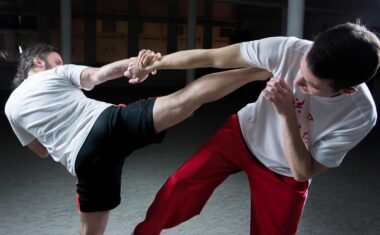

Practicing Kung Fu Safely: Injury Prevention Strategies
Kung Fu is an incredible martial art that encourages discipline and physical fitness. However, like any physical activity, it poses some risks of injury. To help mitigate these risks, it is essential to implement injury prevention strategies that allow practitioners to enjoy the benefits while minimizing the chances of harm. Before starting any Kung Fu training, ensure you are physically prepared. Engage in warm-up exercises that focus on stretching and strengthening the muscles you will utilize most. Strengthening exercises tailored to everyday movements make it easier to maintain balance and coordination during complex techniques. Having the right gear is critical. A well-fitted uniform, appropriate footwear, and protective gear significantly reduce the risk of injury during sparring or practice. Moreover, practicing in a safe environment with appropriate mats or surfaces also contributes to minimizing potential hazards. It’s essential to listen to your body. Pain can signal when something is wrong, and pushing through may worsen an injury. Ensure proper hydration and nutrition, as they play integral roles in recovery. Always train with a qualified instructor for advice tailored to your unique situation.
Proper technique is crucial in Kung Fu, and ensuring that you master the basics contributes tremendously to injury prevention. When you practice with proper form, you protect your joints and muscles while performing moves. Focus on gradually increasing the intensity of your training, allowing your body to acclimate to the demands placed upon it. Each Kung Fu technique builds upon the last; therefore, it’s important to refine your movements consistently before moving on to more advanced principles. Make sure to perform movements slowly and deliberately at first to engrain the correct posture in your muscle memory. Consistent progress is key. Regular training not only builds muscle but also enhances flexibility, strength, and endurance, which are essential for long-term success in martial arts. Initiating conversations with your instructor about any discomfort or challenges can significantly impact your training path. Another element to consider is cross-training. Incorporating other forms of physical fitness, such as yoga or strength training, can improve your overall performance in Kung Fu and strengthen any weak areas. Do not neglect rest and recovery as well, as this allows your muscles to heal and become stronger over time.
Injury Awareness and Self-Care
Becoming more aware of common injuries can greatly improve your ability to practice Kung Fu safely. Strains, sprains, and fractures are common in martial arts, especially during sparring sessions. These injuries can result from improper techniques, lack of conditioning, or simply a momentary lapse in focus. It’s vital for practitioners to educate themselves on the signs of these injuries, so they can address them early. After any intense training session, pay attention to how your body feels, as pain or discomfort may signal overuse or imbalances. Practicing self-care includes learning appropriate stretches specifically designed to relieve tension and reduce soreness in the muscles. Rest is just as important, so plan downtime and allow your body to recuperate. Apply ice or heat, as recommended, to affected areas to alleviate swelling or pain after training. Engaging in mindfulness practices such as meditation can help center your thoughts and relieve mental stress. This equilibrium plays a pivotal role in your physical practice too. By completing self-assessments after training sessions, you can better understand how both your body and mind respond to practice and what adjustments may be necessary moving forward.
Nutrition and hydration play vital roles in both performance and recovery during Kung Fu training. Proper diet fuels your body, supplying the necessary nutrients to sustain energy levels and promote muscle repair. Include a balanced mix of carbohydrates, proteins, and healthy fats in your meals. Choose whole grains, lean proteins, fruits, and vegetables to give your body the resources it needs for optimal function. Hydration is equally important. Dehydration can lead to fatigue and a diminished capacity for performance, increasing the risk of injury. Carry a water bottle for easy access during practice and reinforce a habit of drinking water before, during, and after training. Pay attention to your body’s cues; if you feel fatigued or faint, it may be an indication to take a break and hydrate. Replenishing your electrolytes is also crucial, especially after rigorous training sessions. Foods high in potassium, such as bananas, can be helpful for recovery. Preparing snacks that are easy to digest can artistically merge performance-focused habits into your routine. Your overall wellness is interconnected with your Kung Fu practice; following nutritional and hydration practices enhances performance while lowering injury risks.
Importance of Mental Preparedness
Mental preparedness can significantly contribute to injury prevention during Kung Fu training. Practitioners must be fully focused during practice, minimizing the potential for accidents and injuries to themselves and their peers. Mental clarity enhances spatial awareness and reaction times, which are key factors in performing techniques safely. To cultivate a focused mind, intents such as visualization techniques are incredibly effective. Imagine executing each movement with precision, picturing successful outcomes, and maintaining a positive mindset throughout your training. Setting realistic goals helps foster a growth mindset, promoting resilience even when faced with challenges or setbacks. Create routines that guide mental rehearsals; repeating them will establish familiarity and confidence in your skills. Participating in breathing exercises can aid concentration and relaxation. It’s crucial to accept that making mistakes is part of the learning process; these are opportunities for growth rather than failures. Engaging in meditation can also sharpen your focus, reduce anxiety, and enhance clarity of thought, all of which contribute positively during practice. This mental commitment to being present can transform your Kung Fu experience, leading to greater enjoyment and injury-free sessions over time.
A supportive training environment is essential in Kung Fu, particularly when it comes to injury prevention strategies. Cultivating a culture of support and encouragement among peers fosters camaraderie and motivation to succeed together. It is essential to establish open communication with fellow practitioners regarding fears, expectations, and goals. When practitioners feel comfortable sharing their experiences or concerns, it allows for better guidance and support. Additionally, it’s important to practice with partners of similar skill levels, as this can reduce the risk of injury during sparring or technique practice. Ensure that in training sessions, everyone pays attention to each other’s abilities and limitations, which can aid mutual safety. Respect personal boundaries and knowledge levels; awareness of varying skill levels helps maintain a secure learning atmosphere. Embrace constructive feedback from both instructors and peers. This input can help you adjust techniques, reduce risk, and optimize your training. Always promote a positive attitude towards growth and learning. Regularly participating in team-building activities can directly contribute to a supportive mindset within your Kung Fu community, helping everyone navigate their martial arts journey with resilience and collective strength.
Conclusion and Continuous Learning
In conclusion, practicing Kung Fu safely requires a multifaceted approach to injury prevention. By incorporating strength and technique training, alongside proper nutrition and mental preparedness, practitioners can minimize the risk of injuries. Maintaining an emphasis on supportive relationships within a training environment helps everyone grow together. Always listen to your body and allow time for rest and recovery. Training with qualified instructors is key, as they can tailor advice to fit individual needs. As you advance in Kung Fu, make it a goal to continuously learn, incorporating new techniques and knowledge that promote longevity in your practice. Develop a habit of education—reading articles, attending workshops, or observing advanced practitioners can provide new insights into injury prevention and safe training methodologies. Additionally, staying updated on advancements in exercise science or sports medicine can enhance your understanding of risk management in martial arts. The importance of safety protocols can’t be understated, so always review them regularly with your instructor and peers. Above all, remember that the journey in Kung Fu is lifelong; embrace the process wholeheartedly while prioritizing your safety and well-being as a practitioner.