
Managing Frustration and Setbacks in Long-term Injury Recovery
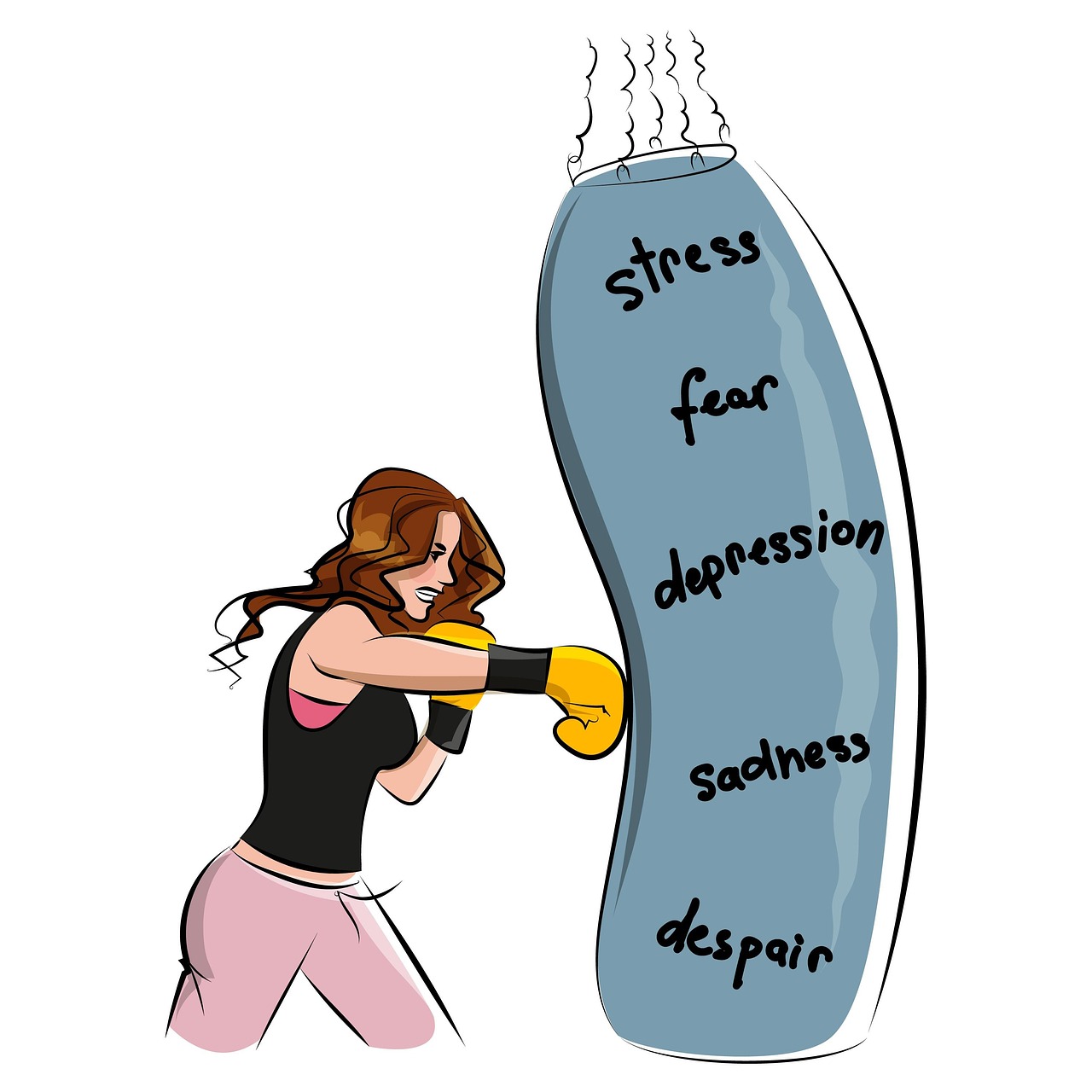
Experiencing frustration during injury recovery is a common challenge among individuals. This emotional response can stem from various factors, including slow progress and pain management. As your body struggles to heal, feelings of impatience may arise, making it crucial to acknowledge these feelings. Recognizing frustration allows you to fully understand the situation. It’s important not to dismiss your emotions. Instead, accept that they are part of the healing journey. Consider maintaining a journal, which can help you articulate your feelings, as writing often brings clarity. In addition, establish open communication with your healthcare professionals. They can provide guidance and reassurance as you navigate your recovery. Engaging in conversations about your concerns helps reduce anxiety about setbacks. Remember that recovery often has its ups and downs. It can take longer than expected, requiring patience and resilience. Support systems, such as family and friends, can offer encouragement. Use their support to bolster your spirit during difficult moments. Finding a community or group with shared experiences can also prove invaluable. Surrounding yourself with similar stories aids in fostering a positive mental environment.
Understanding Setbacks in the Recovery Process
Setbacks are a normal part of long-term injury recovery. They can be frustrating yet serve as opportunities for growth. During these times, it’s essential to maintain perspective. Goals may change, and adjusting expectations can help. Focus on attainable, smaller milestones instead of solely large objectives. This shift allows for a more manageable approach during difficult periods. Celebrate any progress, no matter how minor it may seem. This positive reinforcement can help combat feelings of disappointment that arise from setbacks. Moreover, evaluate your physical and mental strategies. Is your rehabilitation routine suitable? Discuss modifications with your physical therapist or trainer. They can provide tailored adjustments for your current state. Connecting with others who are also on the same journey can foster a strong sense of camaraderie. Shared experiences often lead to mutual understanding and support. Online forums or local groups can be excellent resources. Incorporating mindfulness practices might also be beneficial. Techniques such as meditation or yoga help center the mind and build coping skills. Implement these practices to develop resilience against emotional challenges that setbacks present.
Among the numerous strategies to manage frustration, developing a routine can bring stability. Routines not only establish structure in your day but also create predictability that eases anxiety. By incorporating enjoyable activities into your routine, you help elevate your mood and tackle monotony. Allocate time for relaxation and hobbies, which can take your mind off the injury. Channeling your energy into a creative pursuit can be particularly therapeutic. Establish specific short-term goals to focus your efforts. Track progress on these goals using a visual aid, which offers encouragement. This can enhance motivation, especially when seeing gradual improvements. Furthermore, practice self-compassion by allowing yourself time to feel frustrated. It’s a crucial step in recognizing your humanity during challenging times. Seek professional help if feelings of frustration become overwhelming. Therapists specializing in sports psychology can provide tailored strategies to address these emotions. Their expertise may help reframe how you view your injury and recovery process. Engaging in mindfulness practices can help too. Techniques such as breathing exercises enhance emotional regulation. As you work through these practices, remember that recovery is finite, and patience will carry you forward.
The Role of Support Systems
Strong support systems play an integral role in navigating frustration and setbacks. Whether family, friends, or fellow patients, having people who understand your struggles proves invaluable. Reach out when you need encouragement or someone to listen. Sharing your feelings can lighten the burden, making challenges feel more manageable. Additionally, express gratitude towards your support network. This simple acknowledgment fosters deeper connections and encourages ongoing support. Support groups, both online and in-person, provide an avenue for connecting with others undergoing similar experiences. Hearing someone’s story can be comforting and provide insights. Local community centers or hospitals may host relevant group sessions. Engaging in discussions with people who share your journey creates a sense of belonging. This emotional connection strengthens mental fortitude, allowing you to cope better with frustrations. Furthermore, educate your friends and family about your injury. Inform them how best they can support you. This transparency can reduce misunderstandings and build empathy. As you progress through recovery, remember that you are not alone. Together, your network can help motivate and inspire you during challenging times. Embrace their help and lean on them when you find it necessary.
Practicing mindfulness can significantly impact one’s mental health during injury recovery. Mindfulness techniques, including meditation and yoga, promote relaxation and emotional well-being. Incorporating these practices helps you become more attuned to your feelings and bodily sensations. Understanding your emotional state aids in identifying triggers that lead to frustration. By observing your thoughts without judgement, you learn to react constructively to adversity. Small, consistent efforts in mindfulness contribute to lasting change. Set aside a few minutes each day for mindful activities. Over time, this builds resilience to setbacks while encouraging inner peace. Surprisingly, integrating light physical activity can also play a role in mental well-being. Gentle stretching or short walks can enhance mood significantly. Facilitating endorphin release helps mitigate negative emotional states. Remember to listen to your body and adapt your practices according to your energy levels. Incorporate restorative activities that allow you to recharge. Emphasizing self-care is vital both mentally and physically. Allow yourself to enjoy time away from rehabilitation responsibilities. Use this as an opportunity to explore new hobbies and interests that excite you. Prioritizing your mental health ultimately supports your recovery journey.
Finding Motivation Through Setbacks
Motivation may wane during long-term recovery, especially when setbacks occur. It’s crucial to identify sources of motivation to reignite your passion for rehabilitation. Begin by reflecting on your initial goals and the reasons behind them. Recall the moments that inspired you to pursue recovery. By focusing on these motivations, it can help drive your efforts anew. Set small challenges that will invigorate your spirit and ensure your rehabilitation remains engaging. Create visual reminders of your aspirations, such as a vision board featuring motivational quotes or images. Visual stimulation aids in reducing feelings of stagnation. Additionally, reward yourself for milestones achieved along the way. This positive reinforcement encourages continued effort. Switching gears during rehabilitation can also revitalize your motivation. Incorporate various activities, techniques, and even different environments to maintain interest. Engaging in sports or hobbies you enjoy could ignite enthusiasm for recovery. Join exercise classes or group activities to instill a sense of structure and social interaction. Lastly, remind yourself that setbacks are temporary. This understanding helps reframes members’ attitudes about recovery. With perseverance and the right mindset, motivation can be sustained even amidst challenges.
Reflecting on your journey can provide significant insights into progress and emotional growth. Take time to acknowledge how far you’ve come, regardless of setbacks. Often, recalling previous struggles offers perspective regarding your recovery process. Documenting experiences in a journal may be beneficial when addressing frustration. Writing enables you to express emotions and analyze their origins. This process fosters clarity, ultimately aiding emotional regulation. Additionally, embrace open discussions with loved ones about your recovery journey. Sharing your experiences can strengthen connections and provide new perspectives. Make it a practice to review your recovery goals regularly. Set aside time each week to reassess your objectives and ensure they align with your current state. Watching the progress firsthand can uplift your spirits. Reflecting on achievements reaffirms your resilience while encouraging perseverance. Always consider consulting professionals like psychologists or counselors specializing in injury recovery. Their skills can provide insight, coping mechanisms, and professional guidance tailored to your needs. As mental support represents a vital component, ensuring access to resources is crucial. Strong mental health contributes positively to your overall recovery experience. Foster both emotional and physical wellness for a holistic approach to greater health.