
Vegan Protein Sources for Endurance Athletes
Endurance athletes require ample protein to support muscle repair and recovery, and vegan diets can meet this need effectively. Plant-based protein sources not only provide essential amino acids but also help maintain overall health through their nutrient-dense profiles. Incorporating these vegan protein sources into your diet can aid in achieving your performance goals. Some of the most popular protein sources include lentils, which are rich in protein and fiber, providing sustained energy during prolonged activities. Another excellent source is chickpeas, versatile in various dishes and beneficial for promoting fullness. Quinoa is often referred to as a super grain due to its complete protein profile, making it a staple for anyone on a vegan diet. Additionally, beans are a hearty protein source, offering diverse flavors and nutrients. These plant proteins also come with health benefits, contributing to reduced inflammation and improved heart health. Including a variety of these options ensures you receive all essential amino acids and helps avoid protein deficiencies. Always focus on balance and moderation to optimize your diet for endurance-related activities.
The Power of Legumes
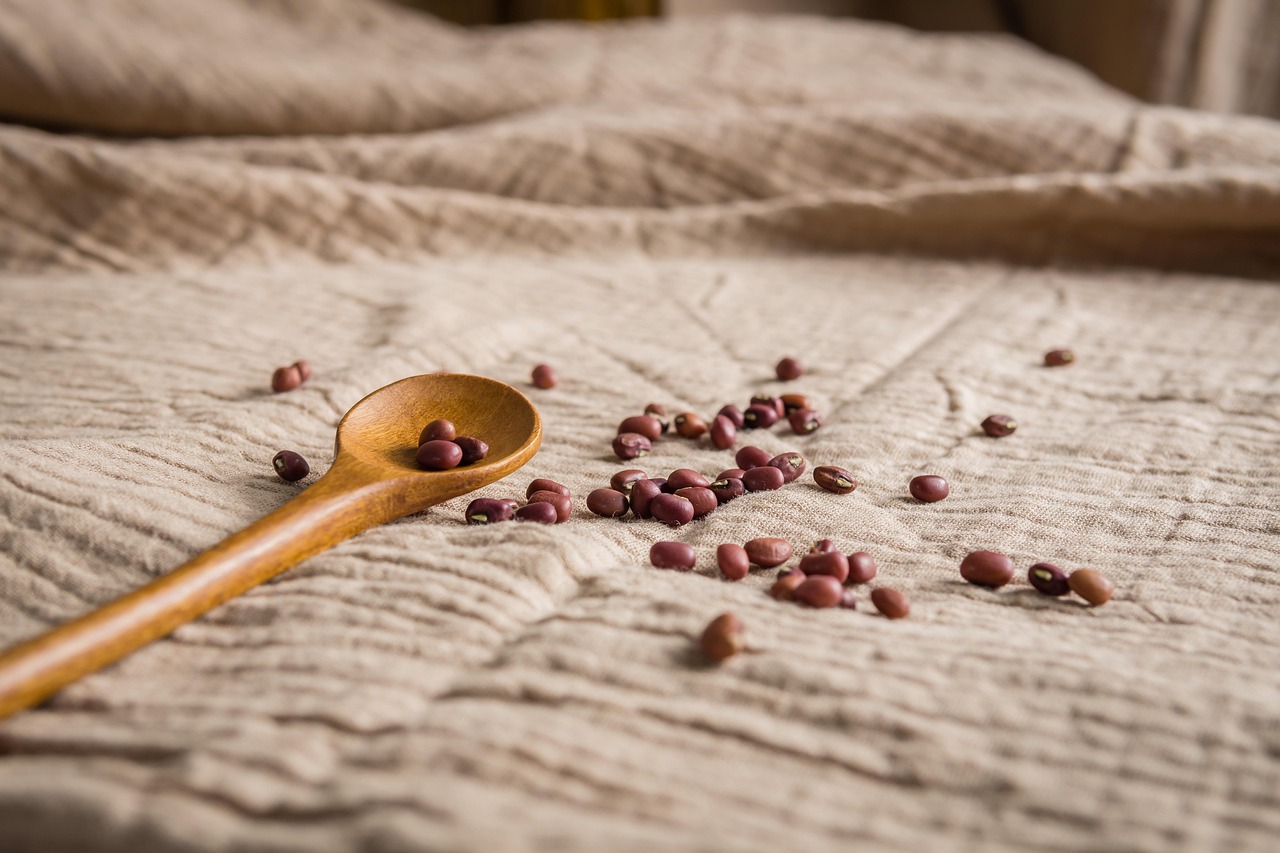
Legumes, including lentils, black beans, and kidney beans, are exceptional protein powerhouses for athletes. They are not only affordable but also packed with essential nutrients. One cup of cooked lentils contains about 18 grams of protein, making them an invaluable asset for any athlete’s meal plan. Furthermore, they are an excellent resource of iron, which is crucial for stamina and energy management in endurance sports. Black beans add variety to meals and offer around 17 grams of protein per cup. Their high fiber content ensures longer satiety, reducing the need for unhealthy snacking during training. Kidney beans are versatile and delicious, boasting similar protein content. Adding legumes to your diet helps build muscle and provides necessary carbohydrates for energy. Incorporating legumes into salads, soups, and stews enhances both protein intake and overall nutrition. To get creative, try blending black beans into smoothies for an extra protein boost or incorporate lentils into risottos for added texture and flavor. This incorporation can transform simple meals into nutrient-rich dishes, supporting your endurance goals and staying lean and fit.
Nuts and seeds are vital for anyone, particularly athletes following a vegan diet. Almonds, chia seeds, and hemp seeds offer versatile sources of protein that can be easily integrated into numerous meals and snacks. On average, one ounce of almonds contains approximately 6 grams of protein, along with healthy fats and vitamin E. Chia seeds pack a punch with protein and omega-3 fatty acids. Just 2 tablespoons provide 4 grams of protein and 11 grams of fiber, promoting digestive health and long-lasting energy levels. Hemp seeds are another superfood, providing about 10 grams of protein in just three tablespoons. They also contain essential fatty acids that contribute to cardiovascular health, making them an excellent addition to smoothies, salads, or yogurt. To boost protein intake, consider nut butter as an energy-rich snack paired with fruit or a slice of whole-grain toast. These protein sources not only enhance athletic performance but also support recovery post-exercise through their nutrient-dense makeup. Remember to watch portion sizes since nuts and seeds can be calorie-dense, but their health benefits far outweigh any concerns.
Whole Grains as Fuel
Whole grains should not be overlooked when considering a protein-rich vegan diet. Oats, brown rice, and farro are great examples that provide protein along with complex carbohydrates for energy. Whole oats are not only rich in fiber but also boast approximately 6 grams of protein per cooked cup. This makes them an excellent option for breakfast or snacks before workouts. Brown rice is a favorite for athletes due to its accessibility and provides about 5 grams of protein per cooked cup. It also offers magnesium, critical for muscle function during rigorous training. Farro, an ancient grain, is not only delicious but packs about 7 grams of protein per cooked cup, offering nutty flavors that enhance meals. Incorporating these whole grains into your diet allows for a balanced source of energy while seamlessly adding more protein to daily intake. Try mixing oats into smoothies, enjoying oatmeal bowls topped with fruits and seeds, or making grain salads featuring farro, roasted veggies, and dressing. These diverse options contribute significantly to your protein needs and general health.
Tofu and tempeh also play crucial roles in a vegan athlete’s diet, providing substantial protein to support muscle recovery and strength. Tofu, derived from soybeans, features around 20 grams of protein per 100 grams, making it a fantastic meat substitute. It is incredibly versatile and can be used in stir-fries, soups, and salads, or even grilled or baked. Tempeh, a fermented soy product, stands out for its probiotic content, aiding digestion alongside its impressive 19 grams of protein per serving. Both tofu and tempeh are packed with calcium, iron, and various vitamins necessary for an active lifestyle. Moreover, their ability to absorb flavors makes them ideal for marinating and cooking in various cuisines, from Asian to Mediterranean. Try adding tempeh to sandwiches or salads for extra texture or marinating tofu in spices for a flavorful dish. These soy products are also relatively low in calories, ensuring that athletes can maintain a healthy weight while meeting their protein requirements. The inclusion of tofu and tempeh adds both variety and nutrition to meals.
Protein-Rich Vegetables
Certain vegetables also provide essential protein. For example, spinach, broccoli, and Brussels sprouts are loaded with various nutrients, including protein, fiber, and vitamins. One cup of cooked spinach contains about 5 grams of protein, making it an excellent addition to smoothies or sautéed dishes. Broccoli provides around 4 grams of protein per cooked cup, ensuring you meet your daily micronutrient needs while supporting your athletic performance. If you’re looking for a unique twist, consider Brussels sprouts; they offer about 4 grams of protein per cup and can be roasted for added flavor. Incorporating these vegetables into your meals boosts protein intake while enhancing overall nutritional value. Don’t overlook the importance of seasonal vegetables, as they add freshness and nutrients crucial for recovery. Try creating veggie-packed stir-fries or adding leafy greens to wraps and sandwiches. Focus on variety and seasonal produce to keep meals interesting while ensuring sufficient protein levels in your diet. Proteins from vegetables also provide antioxidants and anti-inflammatory properties critical for recovery from endurance exercises.
Incorporating a variety of vegan protein sources is pivotal for endurance athletes seeking optimal performance. Focusing exclusively on one source may lead to nutrient deficiencies or boredom in meal prep. A well-rounded approach ensures complete protein intake and enhances flavor profiles, making meals enjoyable. Balance is key: mixing legumes, nuts, seeds, grains, and vegetables can create satisfying and nutritious meals that offer function and flavor. Keep in mind that not all vegan protein sources provide the same amino acid profile; therefore, it is critical to combine different sources. For instance, pairing rice and beans creates a complete amino acid profile that covers the spectrum of essential nutrients required for muscle repair. Aim for a colorful plate full of diverse ingredients to guarantee optimal nutrient absorption. Trying out various recipes allows for creativity in the kitchen, making it easier to maintain a healthy, balanced diet that supports your endurance training. Always consult with a nutritionist to ensure you’re meeting your protein and other macronutrient needs. Done correctly, a vegan diet can provide all the necessary fuel and support for an active lifestyle.
Conclusion: Embrace Vegan Proteins
Embracing vegan protein sources allows endurance athletes to meet their nutritional needs while adhering to a plant-based lifestyle. Through careful selection and creativity in meal prep, athletes can enjoy an abundance of protein-rich foods that contribute to performance and recovery. By relying on legumes, whole grains, nuts, seeds, and nutrient-dense fruits and vegetables, athletes can achieve their fitness goals without sacrificing taste or health. Remember to consume a wide variety of protein sources to cover essential amino acids required by your body. Staying mindful of portion sizes is essential, as aerobic activities require adequate energy without excess calories. Aim for meals that not only provide energy but also excite the palate. Explore different cuisines and spice blends to make meals appealing and nutritious. Remember that planning and balance are essential elements of a successful vegan diet. Dietary adjustments might be needed to align with personal preferences and activity levels. With determination and enthusiasm, embracing plant-based nutrition can result in improved performance while positively impacting overall health.