
Understanding Gut Dysbiosis and the Need for Detox
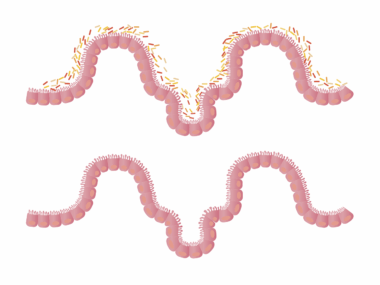
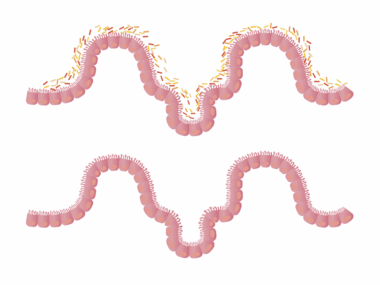
Gut health plays a critical role in our overall well-being, influencing everything from digestion to immune function. Dysbiosis, an imbalance in gut bacteria, leads to numerous health issues, including digestive problems and inflammation. Common causes involve poor diet, stress, and antibiotic use, disrupting the natural microbiome. When the gut flora becomes unbalanced, harmful bacteria can proliferate, negatively impacting digestion and nutrient absorption. Furthermore, these imbalances are linked to weight gain, fatigue, and even mental health issues. Understanding the symptoms and causes is crucial for addressing dysbiosis effectively. A combination of a balanced diet, probiotics, and detoxifying methods may promote gut health. Practicing better nutritional habits minimizes the risk of dysbiosis, allowing people to thrive. Consuming whole foods, including fruits and vegetables, supports beneficial bacteria growth, while reducing processed foods decreases harmful bacteria. Regular detox through hydration, fiber intake, and avoiding sugars enhances digestion. Ultimately, improving gut health through understanding dysbiosis and implementing detox strategies can lead to a healthier, happier life, providing the body with necessary support in every aspect of its function.
Symptoms of gut dysbiosis can be diverse and challenging to pinpoint. Many individuals report experiencing bloating, diarrhea, and irregular bowel habits, all indicative of an upset gut. Additionally, fatigue, sugar cravings, and inflammatory skin conditions can arise from an imbalanced microbiome. It’s essential to identify these symptoms early on to take appropriate action for restoration. Lifestyle choices contribute significantly to gut health, emphasizing the necessity of understanding gut microbiota dynamics. Proper nutrition fuels the body, and consuming fermented foods can help rebuild healthy gut flora. Incorporating probiotics into daily routines can contribute positively to gut balance, addressing dysbiosis. Avoiding preservatives and additives strengthens both gut flora and overall health, promoting effective detoxification. Engaging in stress-relief practices such as yoga and meditation fosters a better gut environment, balancing hormones and reducing inflammation. Regular exercise also aids in maintaining a healthy gut by promoting digestion and enhancing circulation. With consistent effort, individuals can rebalance their gut microbiome, leading to improved overall health and vitality that radiates beyond just the gut. Hence, emphasizing these practices is crucial in combating dysbiosis and promoting wellness throughout the body.
Importance of Detox in Gut Health
Detoxing the body has profound effects on gut health, especially for those experiencing dysbiosis. Implementing a detox program revitalizes the digestive system by ridding it of toxins accumulated from food, pollutants, and stressors. High toxin levels can disrupt gut flora equilibrium, fostering an environment for harmful bacteria to thrive. Engaging in detoxification enables beneficial bacteria to flourish by creating an uninhabitable space for pathogens. Incorporating natural detox foods like leafy greens and berries improves liver function, enhancing overall detox efficiency. The liver plays a vital role in filtering toxins, contributing to gut health. Additionally, detoxing encourages hydration, imperative for digestive health and nutrient absorption. Herbal teas and detox smoothies can further aid in cleansing the gut and revitalizing flora. Notably, ensuring adequate hydration supports active detoxification processes, making water intake essential during a detox period. Employing intermittent fasting can also provide a break for the digestive system, allowing it to reset and rejuvenate. Ultimately, the necessity of detoxification in maintaining gut health becomes clear when seeking to restore balance and achieve holistic wellness throughout the body.
Implementing a successful detox program requires meticulous planning and execution. Start by eliminating processed foods, sugars, and additives from your diet, focusing instead on whole foods. Incorporate a variety of colorful fruits and vegetables to ensure adequate nutrient intake, providing the essential vitamins and minerals necessary for detoxification. Establishing a regular eating schedule helps regulate digestion and nutrient absorption. Adopting a clean eating plan for at least a week can result in noticeable improvements in energy levels and digestive function. It is crucial to introduce probiotics through foods like yogurt, kefir, and kimchi to repopulate the gut with beneficial bacteria. Additionally, consider utilizing dietary supplements tailored to support gut health, such as prebiotics and digestive enzymes. Herbal supplements may also enhance liver detoxification pathways. Monitoring your body’s reactions and adjusting accordingly throughout the detox process is vital for success. Documenting experiences can help identify what works best for personal detox goals. Ultimately, empowering yourself with knowledge about gut health and detoxing strategies will lead to prolonged wellness and vitality, ensuring sustained health improvements throughout life.
Long-Term Strategies for Maintaining Gut Health
To ensure long-lasting gut health beyond detoxification, developing sustainable dietary habits is essential. This involves maintaining a balanced diet filled with diverse nutrients to support healthy microbial composition and function. Aiming for a variety of foods ensures the intake of necessary vitamins and minerals promotes gut flora diversity, enhancing resilience against dysbiosis. Regular consumption of prebiotic-rich foods, such as garlic, onions, and bananas, fuels beneficial gut bacteria. Dietary fiber, abundant in whole grains, fruits, and vegetables, plays a significant role in digestion and regularity. Staying hydrated is equally important, as it supports optimal digestive processes. Limiting alcohol and caffeine consumption can further bolster gut health, reducing inflammation and potential harm to the microbiome. Managing stress levels through relaxation techniques like deep breathing or mindfulness can also positively impact gut health by reducing cortisol levels. Regular physical activity promotes consistent digestive function and overall health, reinforcing the connection between the mind and gut. By incorporating these long-term strategies into daily life, individuals can create an environment for gut health to flourish, ensuring lasting well-being for years to come.
In summary, understanding gut dysbiosis highlights the importance of addressing gut health effectively. The significance of detoxification rises as more individuals recognize the necessity of restoring balance within their digestive systems. By being aware of potential symptoms and implementing detox strategies, greater overall health becomes achievable. Acknowledging that gut health relies not just on diet but also on lifestyle choices provides a comprehensive framework for improvement. Education about the impact of different foods and stressors aids individuals in making informed decisions for their wellness journey. Continual exploration and adaptation are key components of maintaining gut health over time. Utilizing effective detox methods combined with healthy eating habits empowers individuals to take control of their well-being. Embracing this approach encourages positive changes that reverberate throughout the body, enhancing overall vitality. Ultimately, promoting awareness around gut dysbiosis serves to inspire proactive health choices and foster a deeper understanding of the interplay between diet, lifestyle, and well-being. With commitment and knowledge, achieving optimal gut health is attainable, unlocking essential benefits for a happier, healthier life.
Conclusion on Gut Health and Detox
Gut health is a foundational aspect of our overall wellness that should not be taken lightly. The recognition of gut dysbiosis emphasizes the necessity of detox practices and consistent maintenance strategies. With proper education, individuals can take control of their gut health through informed dietary choices and lifestyle adjustments. Engaging in regular detox routines can help reset digestive systems, creating optimal conditions for beneficial gut bacteria. Adopting practices such as clean eating, hydration, and stress management contributes holistically to well-being. No one-size-fits-all solution exists, and personalizing detox approaches remains vital. Long-term health benefits emerge from consistently nurturing the gut microbiome. As we continue to learn and evolve our understanding of gut health, embracing a proactive and engaged approach serves to enhance our lives. Taking the first step towards wellness begins with acknowledging the power of our choices and their impact on gut health. By committing to nurturing this essential aspect of health, individuals can foster happier, healthier lives and thrive in every facet of life. Therefore, prioritizing gut health is not just a trend but a necessary foundation for enduring wellness.
Incorporating mindfulness into daily routines can also facilitate improvements in gut health. Understanding the importance of gut-brain connection creates a holistic perspective that recognizes the interplay between emotions and digestive processes. consider practicing mindfulness techniques such as meditation or yoga combined with nutritious meals empowers individuals to listen to their bodies actively. Cultivating self-awareness around food choices and emotional triggers ensures a more compassionate approach to eating behavior. Additionally, emphasizing the value of community and supportive relationships can foster sustained motivation and accountability. Engaging in group detox programs or sharing experiences with loved ones promotes collective well-being. Thoroughly exploring various detox methods enables individuals to find what resonates most with their personal journeys. Continuously learning and refining approaches ensures ongoing progress towards optimal gut health. Most importantly, celebrating small milestones along the way encourages continued effort and commitment. This diverse yet unified approach to gut health can profoundly impact individual wellness trajectories. Conclusively, these integrated strategies illustrate that a strong foundation in gut health is attainable, enriching not only physical health but overall quality of life.