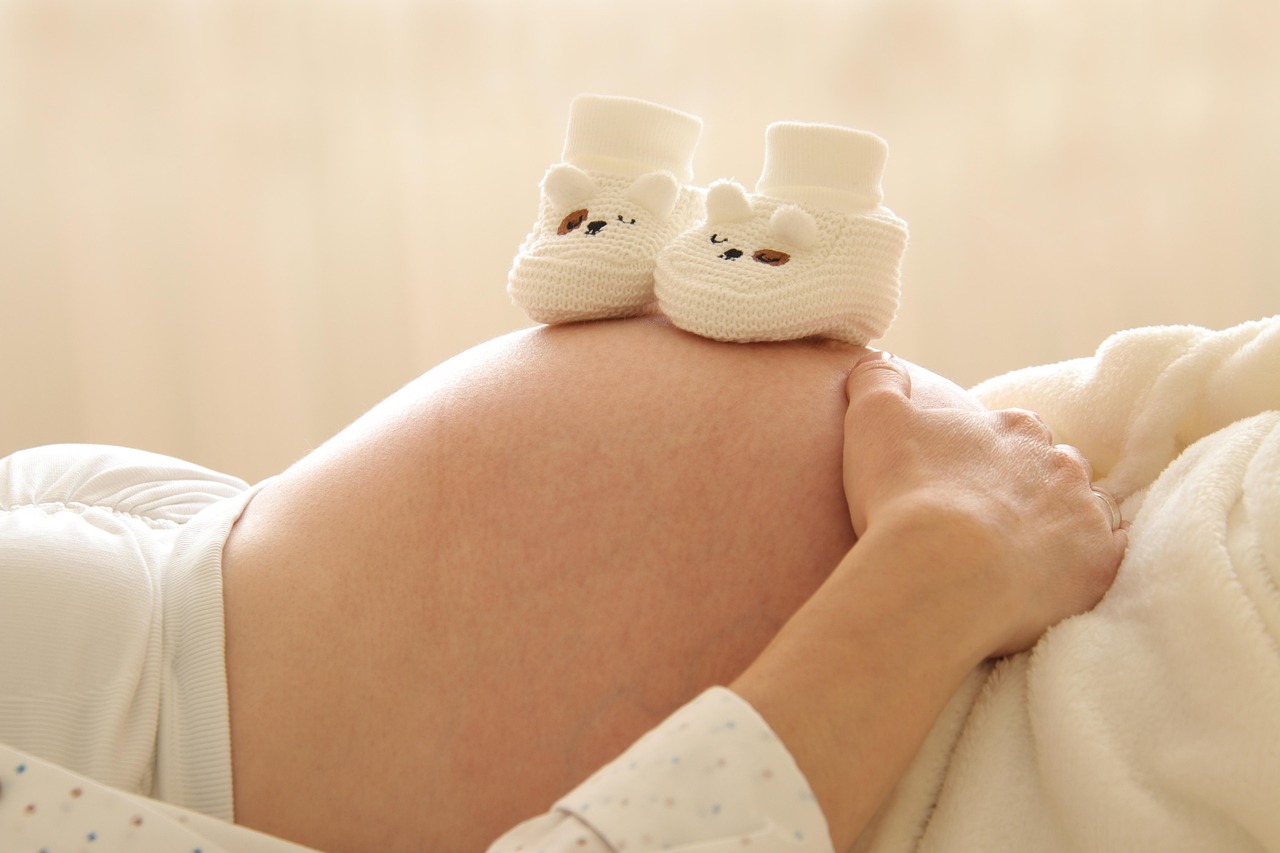

Pregnancy and Fasting: Balancing Nutritional Needs with Intermittent Fasting
Intermittent fasting can bring various health benefits, yet its impact on pregnant women remains a critical concern. During pregnancy, the body requires sufficient nutrients for both the mother and the developing fetus. However, many women contemplate fasting as a way to maintain health. Prior to considering intermittent fasting during pregnancy, it is essential to adequately understand potential risks and recommendations. Consultation with healthcare providers ensures that the individual’s specific circumstances are taken into account. Factors such as age, health conditions, and lifestyle must all align for fasting to be safe. Studies suggest that pregnant women may face risks when fasting, including possible nutrient deficiencies and low energy levels. These aspects may interfere with hunger signals that are natural during pregnancy. It is crucial for women in this state to listen to their bodies and choose the best nutritional approach for themselves. Pregnant women are encouraged to focus on consuming balanced meals instead of adhering strictly to fasting schedules. Regular hydration and nutrition are essential during this period. Prioritizing health ensures that both the mother and child thrive while considering any fasting approach.
Understanding Nutritional Needs During Pregnancy
Nutritional needs change significantly during pregnancy. It is essential to comprehend how these needs impact the decision to fast intermittently. Pregnant women must ensure adequate intake of vitamins, minerals, and calories to support fetal development and overall health. Commonly recommended nutrients include folic acid, iron, calcium, and omega-3 fatty acids. Deficiencies in these nutrients can lead to complications such as anemia, low birth weight, and developmental issues in the baby. Pregnant women should focus on nutrient-dense foods which provide maximum benefits in smaller quantities, especially when considering intermittent fasting. Balanced, wholesome meals filled with vegetables, fruits, whole grains, lean proteins, and healthy fats are vital. These foods will support both the mother’s energy levels and the needs of her growing baby. The American College of Obstetricians and Gynecologists recommends a minimum weight gain during pregnancy based on individual pre-pregnancy weight. Intermittent fasting could hinder appropriate weight gain for some women. Ultimately, nutrition and hydration should always take precedence over fasting periods. Listening to one’s body during pregnancy about hunger cues is crucial for maintaining a healthy pregnancy.
Research highlights that every pregnancy is unique, which means dietary approaches, including fasting, should be individually tailored. While intermittent fasting may work for some women, it may not be suitable for others depending on their unique situations. Women with a background of eating disorders, gestational diabetes, or other health conditions should approach intermittent fasting with caution. There are different intermittent fasting methods, each varying in its structure and demands. For instance, the 16:8 method is popular, entailing an eating window of 8 hours followed by fasting for 16 hours. Pregnant women often find this type restrictive, especially when their bodies signal a need for regular nourishment. More flexible models may suit pregnant individuals better, allowing for periodic fasting while ensuring essential nutrient intake. Healthcare professionals can assist in crafting an acceptable plan that considers both fasting and the nutritional aspect. Ultimately, women must prioritize their health and that of their baby’s through informed choices regarding fasting. This tailored approach may include modified fasting schedules that accommodate the increased energy and nutritional demands of pregnancy.
Potential Risks of Intermittent Fasting During Pregnancy
While intermittent fasting boasts numerous health benefits, potential risks must be highlighted for pregnant women. Caloric restriction can lead to undernourishment, which can adversely impact fetal growth and development. Essentially, fasting can affect the supply of vital nutrients to both mother and child, making it potentially dangerous. Extended fasting periods also pose risks such as increased stress on the body, which can lead to fatigue and mood swings. Pregnant women may experience cravings and hormonal fluctuations, making fasting significantly challenging. Furthermore, research indicates fasting during pregnancy can increase the risk of preterm labor due to stress responses and inadequate nutrient intake. Such factors profoundly affect both weight gain and fetal health. The implications of fasting on the growing fetus must not be underestimated or ignored. Women need to remain mindful and recognize when their bodies require nourishment and energy. Thus, making informed choices regarding fasting and consulting qualified healthcare professionals may provide a safer alternative to traditional intermittent fasting. Ultimately, prioritizing health above all is crucial for both mothers and babies during this vital time.
Many healthcare providers recommend alternative approaches to fasting for pregnant women by creating a balanced dietary strategy. Rather than adhering strictly to fasting schedules, pregnant women can adopt strategies that provide structure while allowing for nutrient-rich meals. Strategies might emphasize smaller, frequent meals throughout the day, which can help maintain energy levels. Targeting essential nutrients during each meal aids in optimizing fetal health and reduces hunger-driven stress. Instead of fasting, women might focus on meal prepping and planning, ensuring that nutritious options are readily available. Including a variety of food groups enriches the diet with necessary vitamins and minerals. Additionally, accommodating cravings while considering healthier alternatives provides avenues for enjoyment without compromising health. Lifestyle modifications that support balanced eating can enable expectant mothers to manage their weight effectively without strict limitations. Collaboration with a healthcare team helps ensure a personalized plan that addresses specific needs. Addressing emotional and physical health during this time fosters a supportive environment. Research underscores the importance of balance; hence, it is crucial to navigate pregnancy thoughtfully without unnecessary dietary restrictions to achieve optimal well-being.
Hydration and its Importance During Pregnancy
Hydration is pivotal during pregnancy, especially when contemplating dietary changes such as intermittent fasting. Pregnant women must consume adequate fluids to support their increased blood volume and maintain amniotic fluid levels. The body’s demand for hydration significantly rises during pregnancy, hence the foundation for physical health and development relies on sufficient fluid intake. It is essential to remember that feelings of thirst can sometimes be mistaken for hunger. Therefore, remaining mindful of hydration status while considering fasting can help alleviate unnecessary cravings. Water is fundamental; however, incorporating hydrating foods such as fruits and vegetables can also contribute to overall fluid needs. Herbal teas and infusions can add variety while providing soothing benefits. Pregnant women are advised to maintain hydration during fasting periods to uphold energy levels and stave off fatigue. Dehydration can lead to complications, including headaches and dizziness, both of which can impact overall comfort. Be attentive to body signals and drink water regularly. Balancing nutrition and hydration while considering intermittent fasting can help pregnant women achieve optimum health while addressing personal goals.
Ultimately, every woman’s experience with pregnancy is unique; hence developing a personalized approach to intermittent fasting is critical. Should one consider fasting, it may be beneficial to gradually experiment with flexible options, assessing how the body responds. Engaging in open discussions with healthcare professionals builds a foundation for feasible solutions. If safe, pregnant women could consider lighter approaches such as intermittent fasting during specific periods within the trimester or modifying fasting schedules according to body cues. This balanced approach offers a way to maintain health without sacrificing essential nutrients that support pregnancy. Careful adjustments may provide the opportunity to incorporate beneficial fasting practices while minimizing potential risks. Healthy lifestyle factors, including adequate sleep and stress management, further contribute to overall well-being. Women must listen to intuition and reflect on whether fasting elevates or detracts from their health journey. Ultimately, creating and sticking to a sustainable dietary plan that promotes health for both mother and child is essential above all. Achieving balance, informed decisions, and aligning choices with individual values during pregnancy will lay the groundwork for a successful and healthy experience.
Conclusion: Embracing a Balanced Approach
Embracing a balanced approach during pregnancy is crucial when considering intermittent fasting. Women should prioritize their nutritional needs while remaining flexible with fasting. While the benefits of intermittent fasting are well-documented, the unique demands of pregnancy require careful evaluation. Consultation with healthcare providers is indispensable to ensure safe practices that promote health for both mother and baby. Taking an informed stance leads to healthier choices that support pregnancy health. Education about nutrition and hydration fosters a positive experience. By focusing on nutrient-rich meals, adequate hydration, and emotional well-being, pregnant women can navigate this transitional period with confidence. It is essential, however, to remain vigilant and adaptable, recognizing when fasting practices may be beneficial or detrimental. Ultimately, every woman’s journey is different, and having the ability to adjust according to individual health needs is vital. Through mindful decisions, embracing balance empowers women throughout pregnancy. Emphasizing health and nourishment can enhance the overall pregnancy experience while considering individual fasting goals. Health equity should guide choices, ensuring that both the mother and child enjoy a healthy future. Therefore, mindful eating strategies combined with adequate hydration can lead to positive outcomes during this vital period.