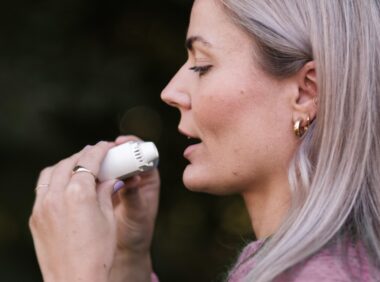

Monitoring Respiratory Symptoms During Exercise
Chronic respiratory diseases pose unique challenges to fitness and exercise. For those affected, monitoring respiratory symptoms during physical activity becomes crucial. Effective management ensures not only improved health but also an enhanced quality of life. Furthermore, resembling health conditions such as asthma and COPD significantly limits an individual’s exercise capacity. Adopting a proactive approach in monitoring and recording symptoms allows individuals to take charge of their health. This method promotes a better understanding of triggers and responses during exercise sessions. An effective monitoring strategy involves tracking vital signs like heart rate and oxygen saturation. Utilizing wearable devices can offer invaluable data regarding physiological responses to exercise. Initiating an action plan based on symptoms can prevent exacerbations, thus promoting safety while exercising. Collaboration with healthcare providers remains vital, as they can assist in tailoring specific exercise programs suitable for each individual’s condition. Additionally, maintaining a flexible approach is essential, as symptoms may vary significantly throughout exercise sessions. Establishing a supportive environment enhances motivation and promotes adherence to exercise regimens. Regular communication with healthcare professionals ensures the longevity of one’s fitness journey and ultimately leads to better health outcomes.
Assessing symptoms requires an individualized approach that emphasizes both physical and emotional well-being. Individuals should be encouraged to openly discuss any discomfort they may experience during exercise. Keeping a detailed symptom diary facilitates the identification of patterns and potential triggers. For instance, common triggers may include specific environments, weather conditions, or even dietary choices. By logging these factors, individuals can adapt their exercise routines to minimize these influences. Recognition of early warning signs is paramount in preventing serious complications. Seeking medical advice when symptoms escalate ensures timely intervention and safer participation in exercise activities. Healthcare professionals may recommend pulmonary rehabilitation programs or provide personalized exercise prescriptions. These tailored plans can optimize pulmonary function while minimizing symptoms experienced during physical activity. Monitoring the frequency and intensity of symptoms can help to determine the appropriateness of exercises performed. Efficient communication should also extend to fitness trainers and coaches familiar with the needs of individuals suffering from chronic respiratory diseases. Engaging a professional knowledgeable in respiratory conditions aids in applying suitable exercises and may foster a supportive environment for those with specific health concerns. Ultimately, this promotes not only safety, but achievement of fitness goals.
Tracking Progress
Continuous tracking of respiratory symptoms during exercise fosters goal setting and performance improvement. Setting realistic, measurable goals encourages individuals to challenge their limits without compromising safety. Progress should be analyzed regularly, as doing so reveals not only personal growth but also how effectively management strategies are working. Fitness assessments and symptom tracking should occur periodically to ensure participants are on course for optimal performance. Recording tolerance levels will help determine how much activity is appropriate without inducing adverse effects. Moreover, understanding recovery times following physical activity is crucial, as this can provide insights into the overall respiratory status. Individuals should celebrate small victories which ensure motivation remains high. Connections to support groups or communities provide opportunities to encourage and share experiences with peers. Various online forums or local clubs can foster interaction and allow for information exchange leading to enhanced exercise strategies. Sharing achievements within these groups often leads to greater accountability. Positive reinforcement may also encourage individuals to take further steps towards healthy living. Achieving results enhances confidence and motivates individuals to maintain their exercise regimen. The sense of belonging nurtured in these communities supports individuals suffering from chronic respiratory diseases.
Furthermore, understanding the relationship between environmental factors and respiratory symptoms during exercise is essential. Individuals must be aware of when and where their symptoms are likely to trigger. Air quality plays a significant role in how exercise impacts respiratory health. During high pollution days, it may be prudent to limit outdoor exercise or seek alternatives such as indoor activities. Monitoring air quality apps gives a clearer understanding of when it may be unsafe to exercise outdoors. Seasonal changes may also affect respiratory health; colder temperatures or high pollen counts can exacerbate symptoms. Adapting exercise schedules around environmental factors ensures that individuals participate in safe and effective workouts. Utilizing warming practices helps prepare the respiratory system for exercise during cold weather. Furthermore, breathing techniques can aid in alleviating some symptoms triggered by temperature changes as well. Knowledge about these factors empowers individuals to make necessary adjustments to their exercise routines, promoting overall safety. Encouragement for using indoor exercise options, especially in adverse weather conditions, fosters sustainable participation in physical activity. Ultimately, being vigilant about external influences enhances physical performance while protecting respiratory health.
Conclusion
In summary, monitoring respiratory symptoms during exercise is a cornerstone technique for those with chronic respiratory diseases. Recognizing and acting upon warning signs enables individuals to manage their conditions effectively, paving the way towards healthier lifestyles. Collaboration amongst individuals, healthcare providers, and support systems enhances the overall experience and leads to better health outcomes. Implementing tailored exercise plans ensures a safe approach to staying active while minimizing complications. Ongoing tracking of progress, maintaining flexibility, and addressing environmental influences further optimize exercises tailored to individuals’ needs. Prioritizing communication across all levels of the support system fosters a safe environment conducive for sharing experiences and insights among individuals. Mental resilience and emotional support encourage adherence to exercise routines, ultimately resulting in significant improvements in quality of life. As awareness of chronic respiratory diseases continues to grow, fostering positive experiences during exercise can guide individuals toward lifelong fitness. Continued education about effective monitoring techniques should empower individuals to confidently navigate their health journeys. With determination, support, and awareness, individuals with chronic respiratory diseases can successfully exercise while maintaining optimal health and wellness.
In conclusion, individuals suffering from chronic respiratory diseases can fully engage in exercise with correct monitoring of their symptoms. Empowering through education, assessment tools, and possible adjustments ensures a smoother transition into regular physical activity. Moreover, accountability, support groups, and professional advice constitute a robust network for shared success. These components should work synergistically to reinforce motivation, improve training efficiency, and reduce the likelihood of exacerbated symptoms. Consequently, tapping into the vast resources available enhances fitness gains while promoting well-being for individuals managing chronic conditions. Careful planning of exercise sessions, taking into consideration all potential influences, leads to a more manageable experience. Awareness builds over time through continued practice, and educational resources encourage a proactive approach to managing chronic respiratory diseases in fitness contexts. Staying informed and connected to both professionals and fellow individuals facilitates a better understanding of experiences and coping strategies. The journey towards fitness and health may have its obstacles, yet building community and consistent practices can promote resilience. Ultimately, focused and informed efforts result in better management and a healthier lifestyle.
Lastly, utilizing technology can amplify the monitoring process significantly. Wearable devices and apps have been designed for tracking symptoms during physical activity, allowing individuals to gather vital data effortlessly. Collecting and analyzing this information creates informative profiles that assist individuals as they navigate exercise-related challenges. Additionally, feedback provided by these devices can indicate necessary adjustments, ensuring optimal health benefits and minimizing discomfort. For instance, reminders about breathing techniques or hydration prompts can help enhance performance during activities. Furthermore, incorporating gamification elements can boost motivation, turning exercise into an enjoyable activity rather than a chore. These innovations have transformed the way individuals manage their activities, thus making it easier to maintain engagement. Collaboration with technology developers to produce more tailored solutions for chronic disease sufferers holds untapped potential. Utilizing community feedback in the product development process can enhance the overall effectiveness of these tools, directly addressing user needs. Embracing technological advancements can lead to transformative experiences in fitness management for chronic respiratory disease patients. Therefore, it is essential to stay informed about advancements in exercise monitoring technology as they evolve and adapt, providing ongoing support for those in need.
In conclusion, effective monitoring during exercise proves essential in navigating the challenges associated with chronic respiratory diseases. By understanding the symptoms associated with respiratory issues, individuals become better equipped to establish and maintain a consistent exercise routine. Tracking progress allows individuals and their healthcare teams to adjust plans accordingly, leading to optimized efforts that are both safe and effective. Engaging with qualified professionals can lead to improved outcomes, thus enhancing overall well-being. Involving support networks such as family and friends is vital to building motivation and encouragement during challenging periods. Emphasizing the importance of individual responsibility in monitoring one’s symptoms enables proactive health management. Simultaneously, understanding the influence of environmental parameters can guide exercise options to be both practical and feasible. Making these connections enhances awareness surrounding chronic respiratory diseases while reinforcing positive behaviors through education. Ultimately, fostering a culture of understanding and support among those living with chronic conditions must remain a priority. This holistic approach allows for the best opportunity for individuals to succeed in their fitness journeys while managing their respiratory health effectively. Effective monitoring not only protects individuals but also empowers them to thrive in their pursuit of an active lifestyle.