
Managing Menopause Symptoms Through Hormonal Balance
Menopause marks a significant transition in a woman’s life, bringing a series of physical and emotional changes. Hormonal balance is crucial in managing menopause symptoms effectively. As estrogen and progesterone levels fluctuate, women may experience hot flashes, night sweats, and mood swings. Understanding how these hormonal changes affect the body can help manage symptoms. Engaging in a consistent routine of physical activity can prove beneficial. Regular exercise helps maintain a healthy weight, which can alleviate some menopausal symptoms. Lifestyle modifications, especially dietary changes, can also foster hormonal balance. Foods rich in phytoestrogens, like flaxseeds and soy products, may help alleviate some symptoms. Hydration is also key during this phase of life. Drinking adequate water can help counteract dryness, a common symptom during menopause. Additionally, stress management techniques, such as yoga and meditation, can aid greatly in maintaining emotional balance during this transition. Women experiencing these symptoms can empower themselves through education and support, utilizing resources and professional advice to navigate changes more smoothly.
Intriguingly, various supplements and herbal remedies have shown promise in alleviating menopause symptoms. Black cohosh is one commonly used herbal supplement known for relieving hot flashes. However, it is crucial to consult a healthcare provider before trying any new supplements. Not all remedies work in the same way for everyone; thus, personalized approaches to hormonal health are vital in this journey. Regular health check-ups are recommended during menopause to monitor hormone levels and overall physical health. Blood tests can provide insight into your hormonal profile, allowing for informed decisions on managing symptoms. It’s equally essential to maintain open communication with your healthcare provider about any symptoms experienced. They can offer tailored solutions that fit your health profile and lifestyle. Hormonal therapy may also be an option worth discussing. While it comes with its risks, when managed correctly, hormonal replacement therapy can provide significant relief from debilitating symptoms. Overall, a multi-faceted approach incorporating lifestyle, dietary changes, and professional guidance can promote a smoother transition through menopause, ultimately leading to a more balanced and healthier life.
Nutrition’s Role in Hormonal Balance
Nutrition plays a critical role in maintaining hormonal health, particularly during menopause. What a woman eats can significantly impact her hormonal levels and symptoms. Focusing on a balanced diet rich in whole foods is imperative. Incorporating a variety of fruits, vegetables, whole grains, lean proteins, and healthy fats contributes positively to hormonal health. Omega-3 fatty acids, found in fish and nuts, can reduce inflammation and support hormonal balance. Additionally, fiber-rich foods promote healthy digestion, which can help manage weight and reduce symptoms associated with menopause. Reducing the intake of caffeine and alcohol can also be beneficial. Both substances can exacerbate symptoms such as hot flashes and mood swings. Instead, herbal teas can be an excellent alternative for keeping hydrated and easing discomfort. Probiotics, found in yogurt and fermented foods, support gut health, which is vital during this transitional phase. Maintaining stable blood sugar levels is another crucial aspect of managing menopause symptoms. Regular meals, combining proteins and healthy carbohydrates, can provide sustained energy throughout the day, minimizing mood swings.
Mindfulness and mindfulness practices like yoga can profoundly impact hormonal health as well. Both activities not only reduce stress but promote physical strength, balance, and flexibility, essential during menopause. Mindfulness practices can also help women become more aware of their bodies and their needs, allowing for proactive health management. Furthermore, establishing a regular sleep routine is crucial. Sleep disturbances are a common issue among menopausal women, heavily influenced by hormonal changes. Implementing good sleep hygiene practices can yield positive results. Creating a comfortable sleep environment, limiting screen time before bed, and establishing a calming bedtime routine can help enhance sleep quality. Adequate rest is vital for hormonal balance and overall health. Additionally, connecting with support groups or women experiencing similar transitions can provide community and camaraderie. Sharing experiences can foster understanding and alleviate some feelings of isolation. Moreover, discussing emotions and challenges openly can facilitate emotional well-being, allowing women to thrive during this significant phase. Embracing changes and seeking empowerment are essential for effectively managing menopause symptoms.
Role of Exercise in Hormonal Regulation
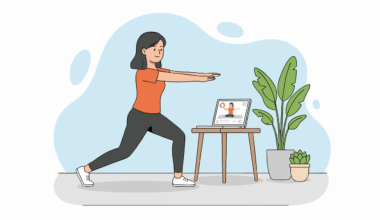
Exercise is a powerful tool in managing menopause symptoms, aiding in hormonal regulation. Regular physical activity can alleviate stress, improve mood, and help maintain a healthy weight. Cardiovascular exercises, such as walking, jogging, or cycling, can be particularly beneficial for heart health during menopause. Additionally, strength training exercises help in building muscle mass, which can decline with hormonal changes. Maintaining muscle mass is essential for metabolism and overall health. Engaging in flexibility and balance exercises can minimize injury risk, promoting a safe and active lifestyle. It is recommended to include a variety of activities to keep the routine enjoyable. Women should aim for at least 150 minutes of moderate-intensity exercise each week. Besides physical benefits, exercise has profound emotional and psychological effects. It can improve sleep quality, enhance body image, and boost self-esteem, all of which can be especially valuable during menopause. Group activities, like classes or clubs, can also facilitate social connections and support systems. Finding physical activities that you enjoy dramatically increases the likelihood of staying committed long term. Thus, exercise plays a crucial role in hormonal health and overall wellness during menopause.
Moreover, hydration is another essential aspect often overlooked. Drinking sufficient water throughout the day can help mitigate common menopause symptoms such as dryness, bloating, and fatigue. Women should aim to drink at least eight glasses of water daily, although individual needs may vary. It may help to carry a water bottle to promote drinking more fluids. Especially during hot flashes, increasing fluid intake can aid in cooling down the body. Further, incorporating water-rich foods in your diet, like cucumbers, oranges, and strawberries, can additionally contribute to hydration. Monitoring caffeine and alcohol intake is equally crucial, as these substances may lead to dehydration. Additionally, practical strategies for managing menopause may include alternative therapies, such as acupuncture or massage therapy. While scientific support may vary, many women report positive results in symptom relief. As each woman’s experience with menopause is unique, exploring different methods can help find effective coping strategies. Keeping a journal of symptoms and changes may aid in identifying patterns and effective solutions, thus promoting a more empowered experience during this life phase.
Seeking Professional Guidance
Lastly, it’s essential for women experiencing menopause symptoms to seek professional guidance from healthcare providers. Regular check-ups and discussions about any unusual symptoms can lead to better management and monitoring of hormonal health. Personalized advice can help navigate complicated aspects of this transitional phase. Hormonal therapies can be viable options, potentially offering relief from severe symptoms. However, it is imperative to note that hormonal treatments may not be suitable for every woman. Medical history and risk factors play significant roles in determining suitable treatments and medications. Therefore, having an open dialogue about individual health concerns can yield tailored recommendations. In parallel, psychological support should not be overlooked. Mental health plays a pivotal role in hormonal health, and speaking with therapists or specialists can greatly assist in managing emotional fluctuations during menopause. Many women benefit from therapy focused on life transitions, providing essential strategies to cope with the stress of these changes. Empowering oneself to seek help and guidance can create a more balanced, healthier, and fulfilling life during menopause, transforming this phase from challenging to liberating.