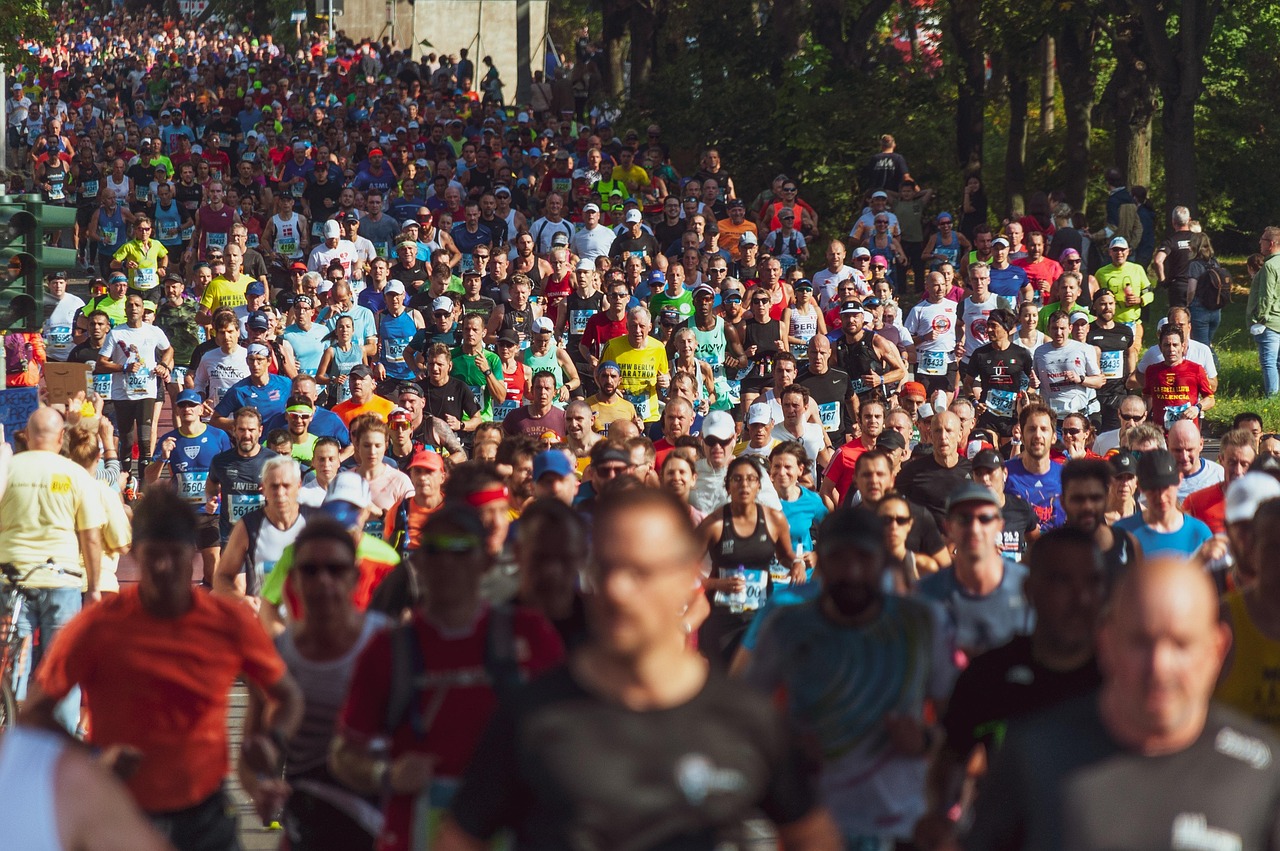

Incorporating Interval Training in Urban Areas
When training for a marathon in an urban environment, incorporating interval training can be essential for enhancing your performance. Urban areas present unique challenges, such as dealing with busy streets, varied terrain, and noise pollution. By structuring your training with intervals, you can maximize your workout efficiency while navigating these challenges. Begin by identifying safe spaces to complete your workouts, such as parks or running tracks, where you can manage the distance and pacing of your intervals. Use a method to divide your workout time effectively, alternating between intense bursts of speed and slower recovery periods. For example, run at a high intensity for one minute, followed by two minutes of easy jogging or walking. This allows the body to recover adequately while improving endurance, speed, and mental resilience, which are essential for marathon success. Evaluate your progress regularly, adjusting the intervals according to your fitness level. Track your times, distances, and how you feel during each session. Urban marathon training can be both challenging and rewarding, giving you the tools and methods necessary to excel on race day.
Setting realistic goals is crucial when engaging in interval training as part of your urban marathon preparation. Begin by assessing your current fitness level to determine the appropriate intensity and duration of intervals. Gradually increase your challenge as you become more conditioned. Some runners may find success starting with shorter intervals, such as 30 seconds of effort followed by 90 seconds of recovery. As your fitness improves, begin to lengthen the intensive intervals while shortening the recovery time. Track your progress with a running log, noting how you feel during and after each session. Consistent training will build strength and endurance, making running a long-distance event less daunting. Strength training is also pivotal in enhancing your running performance. Incorporate functional strength workouts that target the muscles used in running, ensuring a balanced training regimen. Essential exercises include squats, lunges, and core stability training. By strengthening these areas, you’ll improve your overall running efficiency and reduce the risk of injuries. Always pay attention to your body’s signals; fatigue and pain are indicators that adjustments may be necessary.
Fueling Your Body for Interval Training
Proper nutrition plays a significant role in maximizing the benefits of your training regimen. Urban training environments often require you to adapt your feeding strategies based on available resources while on the run. Focus on consuming a balanced diet rich in carbohydrates, healthy fats, and proteins to support your energy needs. Carbohydrates are crucial for endurance athletes since they supply the necessary fuel for long runs. Schedule your primary training runs around your meals to ensure optimal energy availability. Eating a nutritious snack one to two hours before your workout can give your body the boost it needs. Hydration is another critical component when training intensively in an urban setting. With increased temperatures and potential humidity, staying hydrated protects your performance. Be sure to replenish fluids before, during, and after your workouts. When running outside, keep a portable water bottle or locate water fountains along your route. Electrolyte balance can also help improve your performance during intervals, especially in warmer conditions. Add electrolyte-rich snacks or drinks to your training plan to avoid fatigue and muscle cramps during critical training sessions.
Your running gear greatly influences your performance in urban marathon training, particularly during interval sessions. Invest in high-quality, breathable running shoes designed for road training. Proper footwear ensures that your feet can withstand the impact of road running while providing ample support. Take the time to try different brands and types of shoes to find the best fit for your gait. Comfortable clothing suitable for varying weather conditions is also essential. Lightweight, moisture-wicking fabrics will help regulate your body temperature, especially during high-intensity interval training. Look for fabrics that keep you cool in hot weather and warm in cooler temperatures. Accessories such as caps and sunglasses can protect you from sunlight. Additionally, consider implementing safety gear such as reflective jackets when training during the early mornings or evenings. These measures will ensure you can train safely regardless of urban conditions. Moreover, tracking your distance and pace is vital during interval workouts. Utilizing fitness apps or wearables can help you analyze your data post-run, allowing you to make adjustments and monitor your progress effectively over time.
Executing Your Interval Training Workouts
The execution of interval training workouts can vary significantly based on your comfort level and access to space. In urban areas, you might find it beneficial to incorporate structured sessions at tracks, parks, or other open spaces. Define the length of your intervals based on what best suits your fitness goals. Here’s a simple structure: after a warm-up, choose four to six repetitions of one minute at 80% effort, followed by two-minute walking or jogging recovery periods. These high-intensity intervals will boost not just your aerobic capacity but also your speed. Adapting your interval workouts to your surroundings can also add variety and excitement to your training. Incorporate stair running or hill workouts within your routine. Utilize urban structures like bridges or stadiums for these exercises to challenge your leg muscles. Ensure a proper cooldown routine to facilitate recovery and avoid injury. Stretching after every session enhances flexibility and reduces muscle soreness. The combination of structured intervals and varied workouts keeps motivation high as you train to achieve your marathon goals.
Incorporating social elements into your training can significantly boost your motivation and adherence to your program. Training with a buddy or joining a local running group can provide accountability and support through challenging workouts. Many urban centers have running clubs that you can join, which often incorporate intervals into their group sessions. This can also offer the chance to learn from more experienced runners, gain insights on technique, and share personal goals while building relationships. It’s essential to find a group that aligns with your training schedule and fitness level. If you prefer to train solo, set up challenges with friends, tracking each other’s progress through social media or running apps, creating a sense of community even from a distance. Additionally, participate in local races and events to keep your motivation high and to celebrate your achievements. Share your training journey on social media platforms to connect with like-minded individuals. This encourages accountability and provides inspiration through shared experiences. Not only does this social aspect keep your morale high, but it also enriches your urban marathon training experience. Remember, community can be a powerful motivator on your path to success.
Preparing for Race Day
As your marathon approaches, it’s crucial to taper your workouts appropriately and allow your body to recover fully. The last few weeks leading up to the race should focus on maintaining your fitness with reduced volume but maintaining intensity. This strategy will help prevent burnout and ensure you’re rested on race day. Review your interval training data to pinpoint your race pace, and plan to incorporate runs at that pace within your tapering period. Have a clear plan for race day in terms of nutrition, hydration, and pacing. Decide on your pre-race meal, ideally something familiar that you’ve tried during training. Develop a hydration strategy to ensure you stay adequately hydrated throughout the event. Understanding the route, including elevation changes and potential crowding, can help you strategize your pacing ahead of time. Visualizing your race can create a powerful mindset for success. To alleviate pre-race nerves, practice relaxation techniques such as deep breathing or visualization. Lastly, ensure you have a strong, positive mantra to repeat during the race. This simple technique can help carry you through difficult moments, reminding you of your hard work and dedication. Best of luck on race day!
In summary, incorporating interval training into your urban marathon preparation can significantly enhance your overall performance and enjoyment of running. By focusing on structured workouts targeting speed and endurance, developing good nutrition habits, and slowly building up strength, you’ll feel more prepared on race day. Remember the importance of quality gear, suitable location choices, and a supportive social environment to elevate your experience. Finding joy in your training is essential. It will pave the way for you to reach your marathon goals. Collectively applying these strategies leads to improved running capacity, increased confidence, and a sense of accomplishment. Integrating the progress achieved through training effectively with community involvement and the right mindset creates a successful marathon journey. Use your urban surroundings to create varied training routines. Be mindful not to overtrain, allowing your body time to adapt while tracking your improvement. Lastly, keep in mind the excitement and pride that comes with race day. It serves as the culmination of all your effort and dedication. With these guidelines in mind, you can effectively prepare for any urban marathon challenge, achieving not just physical goals but also personal triumphs along the way.