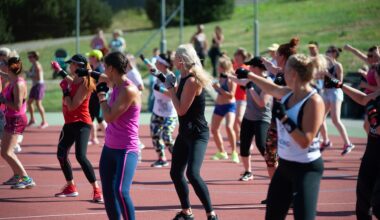

How to Stretch Properly Before and After Bodyweight Exercises
Stretching plays a vital role in optimizing your bodyweight workouts. Engaging in proper stretching techniques pre and post-exercise can enhance flexibility, prevent injury, and improve recovery. Start each session with dynamic stretches that effectively prepare your muscles for movement. This approach incorporates mobilization and increases body temperature while improving blood flow. Common dynamic stretches include arm circles, leg swings, and torso twists. These movements wake up the muscles and prepare them for the demands of workout routines. After your workout, engage in static stretches to help elongate the muscles you just worked. Hold each stretch for about 15-30 seconds, focusing on breathing and relaxation. Target major muscle groups involved in your exercises. Integrating stretching into your routine ensures balanced muscle development and enhances athletic performance. Furthermore, regular stretching contributes to better posture and may relieve stress. Always listen to your body; avoiding overexertion during stretches promotes longevity in your fitness journey. By committing to a solid stretching protocol, you will experience improved performance in bodyweight exercises and overall fitness. Creating a habit of comprehensive stretching benefits you both in the short and long term.
Before diving into specific stretches, understanding the significance of stretching is crucial. Stretching aids in increasing flexibility and range of motion, allowing for more effective exercises. Improved flexibility can lead to enhanced performance in various bodyweight movements like squats, push-ups, or pull-ups. Furthermore, adequate stretching helps to alleviate muscle soreness, particularly after intense workouts. Regularly implementing stretching routines makes the body more structured and strong, reducing risks of strains or tears. Opt for a combination of static and dynamic methods as part of your warm-up and cool-down routines. Use foam rollers or massage sticks to release tight spots during your recovery phase as well. Consistency is key; integrate stretching exercises into your workout regimen consistently. Alongside stretching, focus on maintaining good hydration and nutrition, as they contribute significantly to muscle health. Post stretching workouts, make sure to cool down progressively with lighter movements to aid the body’s transition to a resting state. This gradual shift supports recovery and prepares the muscles for the next training session. Stretching offers holistic advantages for overall fitness and well-being, making it an indispensable part of your bodyweight exercise regimen.
Effective Pre-Workout Stretching Techniques
Focusing on pre-workout stretching is essential for successful bodyweight exercise routines. Dynamic stretches serve as the backbone for the warm-up phase, helping to activate muscles and joints. Develop a pre-workout routine that includes movements mimicking your intended exercises. For example, if you’re planning to perform push-ups, incorporate movements like shoulder rolls and chest openers to prepare those specific areas. Additionally, lunges with a twist or high knees can elevate your heart rate and engage multiple muscle groups. Pay attention to specific body parts that will experience significant exertion during the workout. Include stretches that activate and prepare both upper and lower body regions. For instance, walking toe touches can stretch the hamstrings while warming them up. Keep in mind that your movements should be smooth and controlled, avoiding any jerky actions that might lead to injuries. Monitor your body’s response; balance intensity and duration to maximize effectiveness without fatiguing muscles before starting high-intensity work. Gradually increase the intensity of stretches as your routine progresses, ensuring that your muscles are adequately prepared for the main workout. Incorporating these habits will make a substantial impact on performance and injury prevention.
Once your workout is complete, it is equally essential to engage in post-workout stretching. This practice complements your bodyweight exercises by promoting recovery and enhancing flexibility. Static stretching focuses on elongating the muscles you just used during your bodyweight workout. For example, target areas such as shoulders, chest, and hamstrings, ensuring to hold each stretch for 15-30 seconds. This prolonged stretch helps in resetting muscle elasticity and reduces tightness accrued during exercise. The cooldown phase should be gentle and reflective; embrace mindfulness as you engage in each stretch. Breathing techniques will enhance effectiveness, allowing muscles to relax and recover. After rigorous bodyweight training, prioritize hydration to restore fluid balance while also considering replenishing lost nutrients. Utilize tools like yoga mats for a comfortable stretching surface; doing this could enhance relaxation. Monitor body signals, and don’t push beyond discomfort but avoid pain. This restorative practice can prevent injuries for future workouts and significantly aid your overall fitness journey. Making stretching a habitual finale to your sessions sends signals to your body to cool down, allowing for better preparedness for subsequent exercises or training days. Consider these practices fundamentally integral one-off workouts.
Common Stretching Mistakes to Avoid
While incorporating stretching into your routine, it’s important to be aware of common pitfalls that can diminish its effectiveness. Numerous individuals tend to skip warm-ups altogether, diving straight into static stretches. This tendency is counterproductive as cold muscles are more prone to injury. Always prioritize dynamic stretches to warm up first. Another frequent mistake is holding stretches for insufficient time. Ideally, hold each stretch for at least 15-30 seconds to maximize benefits and muscle relaxation. Rushing through stretches can undermine their potential advantages. Furthermore, be cautious of over-stretching, as this can lead to strains or pulls. Stretch to the point of mild discomfort, but never to pain; awareness of your limits is essential. Remember to breathe regularly and deeply during stretching, as holding breath can create tension and hinder your progress. Ignoring flexibility limits can restrict improvements, so be patient. Focus on gradual progress over time. Lastly, don’t forget to listen to your body. If you feel unusual tightness or pain, it’s crucial to adjust your routine to accommodate your body’s feedback. Avoiding these mistakes will greatly enhance the effectiveness of your stretching routine.
Incorporating tools for stretching can significantly improve your overall outcomes and enhance your flexibility journey. Utilizing devices such as foam rollers, resistance bands, and massage balls provides additional support while stretching. Foam rollers assist with self-myofascial release, helping to relieve muscle knots and improve blood circulation. Rolling over tight muscle areas enhances range of motion and prepares them for workouts. Similarly, resistance bands can facilitate a wider range of motion during stretches, allowing for deeper engagement of targeted muscles. Use bands for stretches like shoulder dislocates or hamstring pulls. Moreover, massage balls target specific trigger points effectively, providing a deeper muscle release, especially in larger muscle groups. Understand how to use each of these tools properly, as they vastly improve your stretching regimen. Incorporating these elements into your program can transform your flexibility over time. However, remember that proper education regarding the use of tools is essential for safety. Combine them with traditional stretches for a well-rounded program that capitalizes on all available resources for your body. By creatively utilizing equipment, you’ll discover enhanced performance in bodyweight exercises.
Consistency and Patience in Stretching
The journey to improved flexibility and effective workout performance requires dedication and patience. Just like bodyweight exercises, stretching deserves regular commitment. Understand that flexibility results don’t manifest overnight; it necessitates consistent practice and attention. Make stretching a non-negotiable part of every workout session, and track your progress regularly. Setting realistic goals for your flexibility journey will foster motivation in your fitness path. Gradually you’ll notice improvements in your body’s ability to perform various movements with greater ease. Being patient is essential; do not become discouraged if results seem slow at first. Celebrate small milestones that indicate progress in flexibility and performance. Complement stretching with other fitness activities, reinforcing a holistic approach to physical wellness. Those gains will inevitably strengthen your bodyweight workouts, reduce injury risks, and support overall muscular health. Always take the opportunity to learn and refine your techniques. Seek guidance from professionals or reliable sources that can benefit your learning. In turn, your investment in consistent stretching practices will yield dividends in your overall training. As your journey continues, make adaptations that align with your evolving body and needs.
In conclusion, integrating proper stretching techniques into your bodyweight exercise routines can dramatically enhance performance and reduce injury risks. Both pre and post-workout stretches serve significant roles; dynamic stretching provides essential warm-up and prepares the body for activity, while static stretches support muscle recovery after exertion. This cyclical practice, when done consistently, fosters improved flexibility, greater strength, and better quality movements. Adopting a thoughtful stretching regimen empowers you to listen to your body while minimizing the potential for overextension. Remember the importance of patience and progress; allow your body to adapt and develop flexibility over time. Embrace tools and innovative methods that complement your stretching practices, meeting adherence goals effectively and creatively. Regularly assess body responses, especially if new approaches are introduced into your routine. Additionally, leveraging knowledge resources can direct your stretching journey with purpose. Eventually, these habits foster optimal performance in bodyweight exercises, bringing forth more enjoyment and accomplishment in the overall fitness experience. As you continue your fitness journey, recognizing the integrations of stretching into your routine will amplify the benefits you receive from your hard work and dedication, leading to enduring success.