
How to Incorporate Seasonal Dance Workouts into Your Fitness Routine as a Beginner
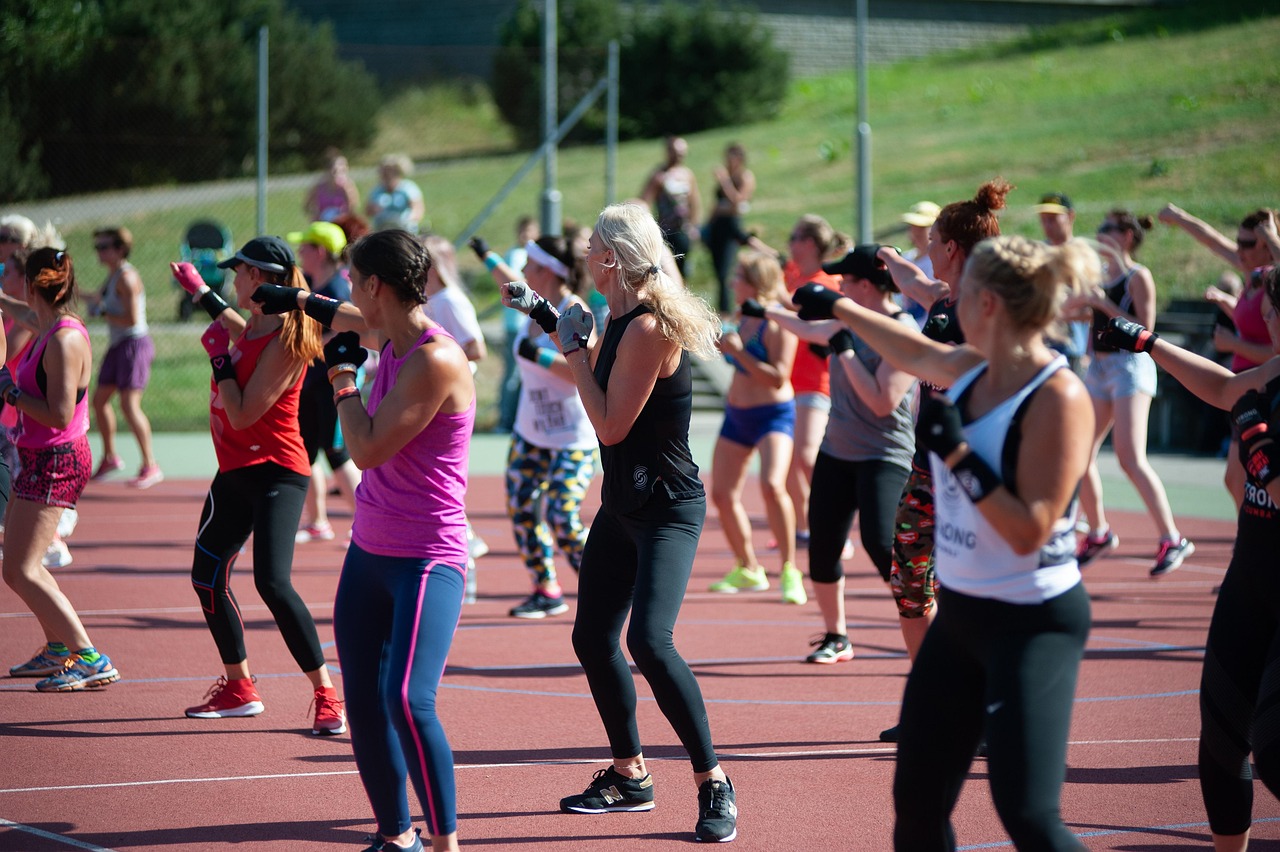
Seasonal dance workouts are a fun and energetic way to stay active while enjoying the unique benefits of different seasons. For beginners, the best approach is to choose styles of dance that are accessible and enjoyable. In spring and summer, consider outdoor activities like Zumba in the park or street dancing. These workouts not only elevate your heart rate but also allow you to connect with nature. In the autumn, focus on dance classes that might include fusion styles like salsa and swing. These lively, group-oriented workouts can motivate you to embrace fitness as a social event. During winter, indoor sessions of ballet or hip-hop can help maintain your workout routine in a cozy environment. Additionally, try setting specific goals for your dance sessions, such as mastering a particular routine or learning a new style, to keep you motivated. Balance your workouts with flexibility and strength training to ensure well-rounded fitness. Ensure you wear appropriate clothing and dance footwear to avoid injuries while enjoying the full experience. Remember, the key is to have fun with it, and bottom line, enjoy each step on your dance journey.
Another way to enhance your dance workout experience is to create a playlist that reflects the season. Think of songs that are upbeat and match not just the energy but also the mood of winter, spring, summer, or fall. Incorporating seasonal music can boost your motivation and make your workouts feel more enjoyable. For instance, in spring, you might choose songs that evoke warmth and freshness, while in winter, you can go for more upbeat tracks with a danceable rhythm. During your sessions, consider capturing videos of yourself dancing to track your progress. This also adds an element of fun while helping you improve your technique. Just remember, everyone begins as a beginner, and it’s perfectly okay to stumble occasionally. Celebrate your accomplishments, no matter how small. In addition, consider joining local dance classes, either in-person or online, tailored for beginners. Engaging with a community can keep you motivated and help you learn new techniques. Share your fitness journey with friends or social media platforms, which can also encourage accountability between your peers. The dance floor is your canvas, so express yourself through movement to make fitness a joy rather than a chore.
Setting Up Your Dance Space
Creating an appropriate workout space is crucial for beginners who want to incorporate seasonal dance into their routine. Whether it’s a cozy corner in your living room or a spot in your backyard, your dance area should be welcoming and functional. Make sure you have enough room to move freely without the risk of hitting furniture or other obstacles. Additionally, consider the flooring; hardwood or laminate surfaces are generally considered best for dancing due to their durability and slip-resistance. If dancing indoors, view your space as a mini studio where you can feel confident and inspired. Investing in mirrors can also be beneficial. They help correct your posture and allow you to see your movements better as you practice. To enhance the experience, add some ambiance with lights or decorations that make you feel festive and motivated. Seasonal decorations can remind you of the beauty around you while dancing. Keep a bottle of water nearby to stay hydrated during your dance workouts. Engaging in this atmospheric experience can make a significant difference in how you feel while exercising. Every little detail counts when you’re on a journey to improve your fitness in a fun, enjoyable manner.
As you embark on your seasonal dance journey, remember to listen to your body. Beginners may have varying fitness levels, and it is essential to recognize when to push yourself and when to take breaks. Pay attention to your stamina, and adjust your workouts accordingly. If a particular dance style feels overwhelming, don’t hesitate to modify your movements or start at your own pace. Gradually increasing intensity can prevent injuries and boost your confidence in your abilities. Also, consider alternating workout days and dedicating certain days to strength training or cardio to complement your dance activities. Stretching before and after your dance sessions will enhance flexibility and muscle recovery, making your overall fitness routine more effective. Don’t forget to set aside time for relaxation. Consider integrating yoga or meditation into your routine to improve your mental wellness while balancing physical activity. Sharing workouts with fellow enthusiasts can also be fun and motivating. Whether you’re dancing alone or in a group, the important aspect is finding joy in the movement. Always stay open to exploring new dance forms as the seasons change; it can add excitement and keep you committed to your fitness goals.
Finding the Right Classes
To elevate your dance fitness experience, look for classes designed specifically for beginners. Many gyms and community centers offer dance courses tailored to novice dancers, focusing on fundamental movements and techniques. Online platforms also provide a wealth of options, including virtual workshops and classes, which can be adjusted based on your schedule and comfort level. Community classes often have a lively atmosphere, allowing you to meet like-minded individuals while exploring your passion for dance. Furthermore, don’t overlook local dance studios that may offer introductory sessions for various styles, ranging from ballet to hip hop. If seasonal promotions are available, they can be a cost-effective way to try out different classes. Additionally, social media platforms can connect you with local dance groups and instructors who share tips, routines, and encouragement. It can also help build a supportive community. Most importantly, choose a style that resonates with you. If you have a penchant for rhythmic movements, perhaps try belly dance or jazz. The key to maintaining your enthusiasm is to engage in activities that you genuinely enjoy. Keep an open mind, and don’t shy away from experimenting with different genres until you find your fit.
Staying injury-free should be a priority as beginners dive into the world of seasonal dance. Proper stretching before workouts can mitigate risks. Not only does this help warm up your muscles, but it also enhances your overall flexibility. Consider incorporating both dynamic stretches, which involve movement, and static stretches, where you hold positions, to prepare your body thoroughly. Moreover, wearing supportive footwear is essential. Shoes designed specifically for dance can provide the right balance and grip needed for different styles. Paying attention to your body’s signals is fundamental; if you experience discomfort or pain, don’t hesitate to modify your movements or take a break. Recovery days are equally important. Allowing your body time to recuperate can enhance your performance and make dance workouts more effective. Furthermore, incorporating techniques like foam rolling or gentle yoga can aid recovery. Nutrition also plays a key role in supporting your fitness efforts. Focus on whole foods and maintain proper hydration before and after your dance sessions. By taking these proactive measures, you can enjoy your seasonal dance workouts while minimizing the risk of injuries. Ultimately, your health should always come first on this exciting journey to fitness.
Staying Motivated Year-Round
Merging seasonal changes with your dance workouts can keep the experience fresh and exciting. Each season offers unique themes and festive occasions that inspire creativity. For example, in spring, you may wish to incorporate themes around rebirth and vitality in your dance styles. Summer is perfect for upbeat, high-energy routines that celebrate joyous moments spent outdoors. In contrast, autumn may evoke a sense of reflection, encouraging you to embrace slower, more soulful dances. Winter might call for warmth and coziness, perhaps in the form of partner dances to spark connection. Setting seasonal goals can also keep you engaged and accountable. Challenge yourself to learn a new style or perfect a routine for an upcoming event. Furthermore, consider recording your dance journey. Regularly documenting your progress not only helps assess improvement but also motivates you to keep going. Join online dance challenges or use social media to connect with others committed to similar goals. Celebrate milestones together, and encourage each other along the way. Ultimately, embracing the rhythm of the seasons will transform your dance routine into an engaging lifelong journey that promotes overall well-being.
Ultimately, dance is a celebration of movement and expression that transcends the challenges of fitness. As beginners, you will find that the journey is just as fulfilling as the destination. Through seasonal dance workouts, not only do you enhance your fitness level, but you also immerse yourself in the joy of music and rhythm. Remember that every dancer started as a beginner, so don’t worry about perfection. Allow yourself the freedom to explore various dance styles and celebrate your unique journey. Engaging in dance can relieve stress, foster creativity, and build confidence. After all, fitness should feel like a pleasant part of your life. Commit to making it a weekly habit and surround yourself with supportive friends or family who appreciate your efforts. Encourage them to join you in your dance adventures, as sharing the experience can increase your motivation. For every step you take, acknowledge the progress you make, both physically and mentally. As you explore seasonal dance, commit to nurturing this joyful relationship with fitness and well-being. Remember, fitness is not just about hard work; it’s about enjoying the process of becoming your healthiest, happiest self.