
Understanding the Aging Process through Fitness
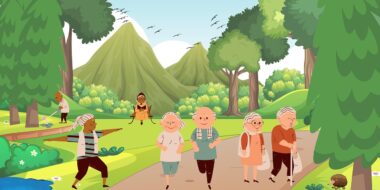
Aging is a natural process that affects everyone differently. As we grow older, it is essential to understand how physical fitness impacts our overall well-being. Engaging in regular physical activities can enhance mobility, balance, and strength. These factors are crucial for maintaining independence, reducing the risk of falls, and improving quality of life. Many studies have shown that staying fit can even delay the onset of age-related conditions such as osteoporosis, diabetes, and arthritis. By prioritizing fitness, older adults can better enjoy a fulfilling and active life. Incorporating elements such as aerobic, strength, and flexibility training into a routine is vital. Furthermore, social interactions through group classes can promote mental well-being too. Encouraging communities to provide accessible fitness resources can significantly alter lives. With consistent effort, individuals can sustain their vitality into their later years. Aging should not equate to physical decline; it can instead represent an opportunity for growth. Adopting a proactive approach to fitness paves the way for healthier aging. Emphasizing fitness at any age reaps rewards that reflect in everyday activities and long-term health outcomes.
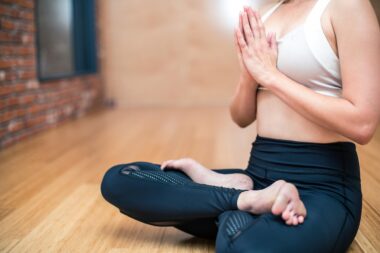
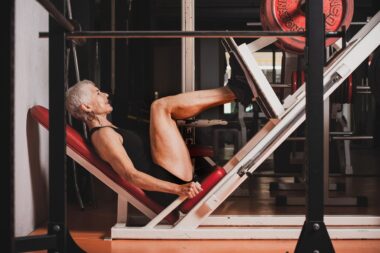
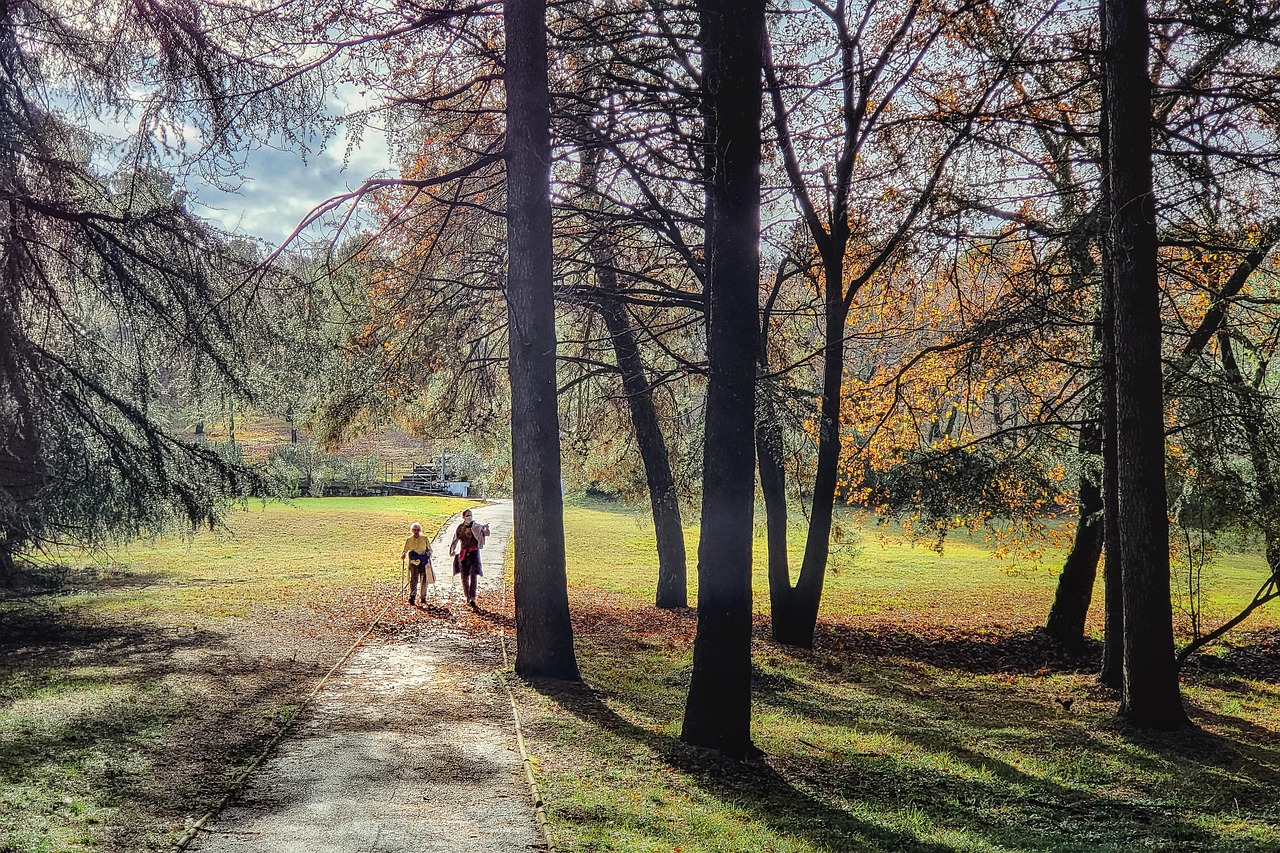
Moreover, strength training is particularly vital for older adults looking to combat muscle loss. As we age, muscle mass tends to decrease, leading to weaknesses that can inhibit daily activities. Regular resistance training can counteract this decline, enhancing muscle strength and endurance. This process involves lifting weights or using resistance bands to boost overall strength. The inclusion of strength training twice weekly can show profound improvements in balance and stability. Additionally, engaging in weight-bearing exercises supports bone density, which becomes crucial for preventing fractures and breaks. Alongside strength training, flexibility routines greatly benefit joint health. Stretching allows for greater range of motion and can alleviate stiffness and discomfort. Gentle yoga or simple stretches can be easily incorporated into daily routines. All these aspects contribute to a holistic approach to fitness for aging individuals. Health professionals recommend combining various exercise types, ensuring a balanced fitness regimen. Incorporating cardiovascular exercise also plays a significant role; activities like walking, swimming, or cycling support heart health and overall well-being. Ultimately, making fitness a priority can substantially enhance life quality throughout the aging process.
Nutrition is another essential component that works hand-in-hand with fitness. As we age, our bodies require different nutrients to maintain energy and activity levels. Proper nutrition can help optimize workout results and boost recovery after exercise. Consuming a balanced diet rich in fruits, vegetables, whole grains, lean proteins, and healthy fats can support overall health. Older adults should focus on protein intake, which is vital for repairing muscles after workouts. Additionally, staying hydrated is crucial; older adults often experience sensory changes in thirst. Regular hydration ensures better physical performance and decreases fatigue. Consider consulting with a nutritionist to develop a personalized meal plan that aligns with fitness goals. Supplementing with vitamins and minerals may also be suggested to support nutrient intake, especially Vitamin D and calcium for bone health. Smart meal timing can further enhance fitness, ensuring adequate fuel before workouts and proper recovery nutrition afterward. Ultimately, the synergy of fitness and nutrition drastically influences the aging process. Prioritizing both aspects can lead to a healthier, longer life filled with vitality and well-being, regardless of age.
The Psychological Benefits of Fitness in Aging
Exercise also has significant psychological benefits for aging individuals. Regular physical activity can combat feelings of anxiety and depression, promoting a sense of accomplishment and well-being. As older adults engage in fitness routines, they often develop social connections within communities or classes, combatting isolation. These interactions create a support network that positively influences mental health. Moreover, engaging in new activities boosts cognitive functions, potentially reducing the risk of Alzheimer’s disease and other dementias. A well-rounded routine that includes activities like dancing or group fitness can foster connections and encourage collaboration. Those who remain active socially are often happier and healthier overall. Mental stimulation through learning new exercises contributes to brain health, giving a further edge against cognitive decline. Setting personal fitness goals creates motivation and purpose, which are essential in fueling an engaging lifestyle. Celebrating small achievements enhances self-esteem and promotes continuous engagement in fitness endeavors. Such psychological gains can lead to improved confidence and a willingness to try new challenges. Clearly, physical fitness isn’t merely about the body — it profoundly affects emotional and mental health, promoting a more enriching aging experience.
Additionally, establishing a routine is fundamental in ensuring long-term commitment to fitness. For older adults, consistency is key; having a structured schedule helps embed exercise into daily life. It is advisable to begin with short sessions and gradually build intensity and duration, respecting personal limits. Embracing variety prevents workouts from becoming monotonous. Mixing up activities can keep motivation high and engage different muscle groups effectively. Engaging friends or family in fitness endeavors can make the experience enjoyable and fulfilling. Support from loved ones can also enhance accountability. Older adults should frequently check in with healthcare providers to track their progress and make necessary adjustments. Finding accessible local fitness programs can further motivate engagement. Within communities, resources such as senior centers often offer tailored classes for older individuals. Wearing comfortable clothing and footwear can significantly improve the experience. Listening to one’s body is paramount; over-exerting can lead to injuries. Creating a balanced routine ensures both enjoyment and benefits from exercise. Ultimately, finding the right rhythm in fitness can lead to empowering experiences that enhance the quality of life during the aging journey.
In addressing the barriers to fitness, it’s important to recognize common challenges older adults face. Physical limitations such as joint pain, chronic conditions, or limited mobility can inhibit participation in traditional exercise. However, adaptations can be made to accommodate these factors. It is essential to seek professional guidance when trying new activities or exercises. Trusted instructors can provide modified movements that cater to individual needs. Moreover, understanding personal limits can transform perceived barriers into manageable challenges. Online resources offer various strategies and programs specifically designed for seniors, allowing them to exercise safely and effectively at home. Investing in equipment like resistance bands or stability balls can aid in creating an effective at-home workout space. Engaging family members in workouts can also enhance motivation while ensuring safety. Community workshops are great opportunities to learn about fitness options designed for seniors. Educational sessions can eliminate fear of injury or discomfort; feeling comfortable and informed breeds more engagement in fitness activities. With resources and support, older adults can push past barriers and embrace a lifestyle centered around fitness, ultimately enhancing longevity and joy in life.
Conclusion: Embracing Fitness for Lifelong Health
In conclusion, embracing fitness as one ages transcends physical benefits. A holistic approach, integrating exercise, nutrition, and social engagement, is vital in fostering overall health and happiness. Research shows that maintaining an active lifestyle not only prolongs life but enhances its quality through decreased incidence of chronic illness. The commitment to regular exercise, along with a balanced diet rich in nutrients, empowers older adults to take charge of their health. Through community resources, tailored programs, and optimistic attitudes, individuals can navigate the aging process with vigor. Remember, it’s never too late to start; integrating fitness into one’s daily routine can lead to remarkable transformations and newfound vitality. Keeping an open mind to new activities can foster relationships and create supportive networks. Encourage conversations about fitness among family and friends, as these discussions can generate excitement around staying active. Let today serve as the beginning of a new journey towards a healthier lifestyle. Prioritizing fitness in life creates a foundation for sustained independence and joy as one moves through the phases of aging.
Integrating technology into fitness routines represents a modern way to enhance engagement. Wearable devices, fitness apps, and online courses can provide motivation and a sense of community. Tracking progress using technology allows individuals to see tangible results in their fitness journey. Broadening access to workout sessions virtually can empower older adults to explore diverse options from the comfort of their homes. Online platforms cater specifically to seniors, offering tailored workouts that consider the specifics of aging bodies. These resources can improve adherence to fitness routines, especially during challenging times or situations. Encourage individuals to explore activities they might find enjoyable; technological options can open doors to novel experiences previously inaccessible. It’s crucial to provide education about how to use technology effectively, ensuring everyone has the tools to succeed in their fitness endeavors. Training programs can empower older adults with digital knowledge, enriching their fitness journey. Ultimately, technology is not just supplemental; it can become a cornerstone in promoting lifelong health and fitness. Fostering tech-savviness amidst the aging population could transform perspectives toward exercise. Together, fitness and technology can create an engaging, thriving environment for older adults.