
The Science Behind Dance Fitness and Calorie Burning
Dance fitness programs combine elements of movement and choreography to create fun workouts that can contribute significantly to calorie burning. These programs integrate aerobic exercise with rhythm, which can be appealing to those who wish to enhance their fitness level while enjoying music. Research indicates that dancing can burn approximately 300 to 800 calories per hour, depending on the intensity and type of dance. Engaging in such exercises increases heart rate and enhances overall cardiovascular health. Dance fitness is not limited to just one style; it includes various forms such as Zumba, hip-hop, ballroom, and many more. Regardless of your dance preference, these movements work muscles throughout the body, enhancing strength and flexibility. A structured program also helps in coordination and balance development. Additionally, dance offers numerous psychological benefits, such as stress reduction, improved mood, and increased self-confidence. The social aspects of dance encourage participants to bond, further enhancing motivation and commitment to fitness goals. To maximize results, it’s vital to engage in dance fitness classes regularly. By understanding the science behind these routines, individuals can better appreciate how dance contributes to a healthier lifestyle.
The mechanics of calorie burning during a dance fitness session are fascinating. When you engage in dance, your body requires energy, which is produced by burning calories. This process involves different metabolic pathways, particularly aerobic metabolism during prolonged dance exercises. As your heart rate rises, your cardiovascular system improves, allowing more oxygen to reach your muscles. This oxygen fuels the body’s energy production during workouts. High-energy dance routines can push your body to its metabolic limits, leading to more calories burned both during and after exercise. The concept of excess post-exercise oxygen consumption (EPOC) applies here, as intense workouts can elevate the metabolism for hours post-exercise. Moreover, different styles of dance may offer varying levels of calorie expenditure. For instance, performing a vigorous Zumba routine can burn more calories than that of a slower dance like ballroom. Therefore, varying your dance fitness routines could enhance overall calorie Burning and enjoyment. It’s crucial to choose a style that resonates with you, ensuring commitment and engagement. This personal connection can lead to better consistency and ultimately improve fitness results.
Impact on Metabolism
Engaging consistently in dance fitness not only aids in calorie burning but also enhances metabolic function. A higher metabolism means that your body burns calories more efficiently, even at rest. Dance fitness introduces intense movements that can stimulate muscle activation, which inherently requires energy, leading to increased metabolism. Participation in these programs encourages muscle build-up, which, in turn, contributes to a faster metabolic rate. Moreover, high-intensity dance routines promote hormonal responses that further enhance metabolism, helping regulate body weight effectively. Studies indicate that individuals who incorporate regular dance workouts often find maintaining a healthy weight more manageable. This correlation is vital for individuals striving to lose or maintain weight, as a sustainable approach is necessary for long-term success. Additionally, the combined flexibility and resistance benefits of dance fitness results in well-toned muscles, contributing to a leaner physique. A leaner body typically burns more calories, creating a positive feedback loop that fosters continual improvement. Understanding the role of metabolism in body composition assists participants in recognizing the value of dance fitness programs. Consequently, the metabolic benefits of dance can significantly contribute to overall health goals.
Calorie burning through dance fitness extends beyond mere physical exertion; it also encompasses cognitive engagement. When learning choreographed routines, your brain works tirelessly to memorize patterns, sequences, and steps. This mental engagement adds an extra layer to the calorie-burning experience, often overlooked in traditional fitness routines. Dance requires focus, coordination, and quick reflexes, promoting brain connectivity and function. In essence, the more complex the dance movement, the higher the required cognitive effort. This phenomenon possibly results in increased neurological activity, burning even more calories. Furthermore, dance provides a unique opportunity for self-expression, making the experience enjoyable and fulfilling. Psychological aspects contribute to how one perceives exertion. When engaged in enjoyable activities, the perception of effort diminishes, allowing individuals to push themselves further. This self-expression can lead to heightened enjoyment, making it easier to establish consistency in attendance and effort. Dance fitness creates an environment of positive reinforcement, encouraging participants to connect with their bodies and appreciate their capabilities. This acknowledgment ultimately leads to a more sustainable approach to fitness, ensuring adherence to health and wellbeing.
The Role of Social Interaction in Dance Fitness
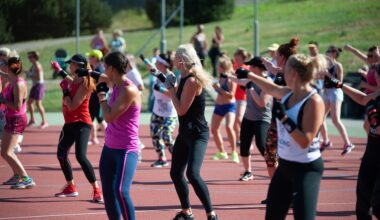
The interactive nature of dance fitness also plays a critical role in the calorie-burning benefits of dance. Participating in group classes fosters a sense of community and belonging, which can significantly enhance motivation. When you dance with others, it becomes more than just a workout; it transforms into a social event where everyone collaborates to embark on a similar journey toward improved health. This interaction encourages accountability; thus, individuals are less likely to skip classes. Engaging in group fitness can amplify the positive effects of exercise, as exercising together strengthens bonds between participants, creating friendships. These relationships can also encourage higher attendance rates, leading to more consistent workouts. Furthermore, the energy within a group setting can catalyze participants to push their limits further, leading to greater calorie expenditure. Class settings often include cheers, applause, and encouraging words, creating a motivating atmosphere that elevates performance. Research has shown that those who exercise socially report higher levels of enjoyment, leading to a more sustainable fitness regimen. By focusing on these social benefits, participants can cultivate a positive relationship with fitness, resulting in improved overall health outcomes.
The inclusivity of dance fitness programs makes them appealing to people of all ages and fitness levels. These programs often feature modifications to suit various individual needs, enabling everyone to participate comfortably. Dance styles can be tailored to accommodate physical limitations while still providing an effective workout. This adaptability increases accessibility, allowing more individuals to join in. Additionally, many dance fitness classes are structured in a way that encourages self-improvement, making it easy for participants to track progress over time. This progress can be motivating, leading to more substantial engagement and commitment to fitness goals. The ability to witness improvements can generate a sense of achievement, encouraging a positive self-image. As participants continue to improve their skills and fitness levels, they tend to burn more calories over time. Moreover, success doesn’t solely derive from reaching personal fitness goals but also cultivating a love for movement. Finding joy in dance can motivate individuals to become more active, promoting healthier lifestyles. This holistic approach to fitness is particularly beneficial as it nurtures emotional and mental wellbeing in addition to physical health.
Conclusion: The Comprehensive Benefits of Dance Fitness
In conclusion, the science behind dance fitness and calorie burning illuminates the multifaceted benefits of these programs. From enhancing cardiovascular health to cultivating social connections, dance fitness encompasses a wide array of advantages that foster holistic well-being. Engaging in these programs not only leads to significant calorie burn but also challenges cognitive and muscular capacities in an enriching environment. Moreover, the enjoyable nature of dance makes it easier for participants to remain committed and consistent in their fitness journey. Understanding the underlying mechanisms of calorie burning can empower individuals to make more informed choices regarding their workouts, enhancing overall health outcomes. Incorporating a variety of dance styles can optimize muscle engagement, yielding greater benefits and sustained interest. Participants are encouraged to explore different classes and styles to find what resonates with them, thereby experience the joy of movement. Transitioning to a healthier lifestyle requires a commitment to enjoy the process, and dance provides a unique avenue for fulfillment in fitness. By getting involved in dance fitness programs, individuals embark on a journey toward improved health, ultimately leading to happier, healthier lives.
To further explore various dance fitness programs available in your area, consider researching local studios or gyms offering classes. Many platforms also provide online options that allow convenience and flexibility according to your schedule. Connecting with instructors and looking for class reviews can help you choose a program tailored to your preferences and needs. Joining dance fitness communities, whether online or in-person, can enhance support and camaraderie, making the experience even more enjoyable. The enthusiasm and shared commitment within these communities can inspire more significant participation and ongoing motivation. Starting your journey in dance fitness can lead to remarkable changes, not only physically but also mentally and emotionally. Investing time in these activities encourages a connection with yourself and others, leading to lasting relationships and shared experiences that contribute to overall satisfaction. Remember, the key to successfully integrating dance fitness into your life lies in consistency and finding joy in the movements. Let the music guide you, and embrace the rhythm of dance to transform your life for the better.