
The Gut-Brain Axis and Its Impact on Weight Maintenance
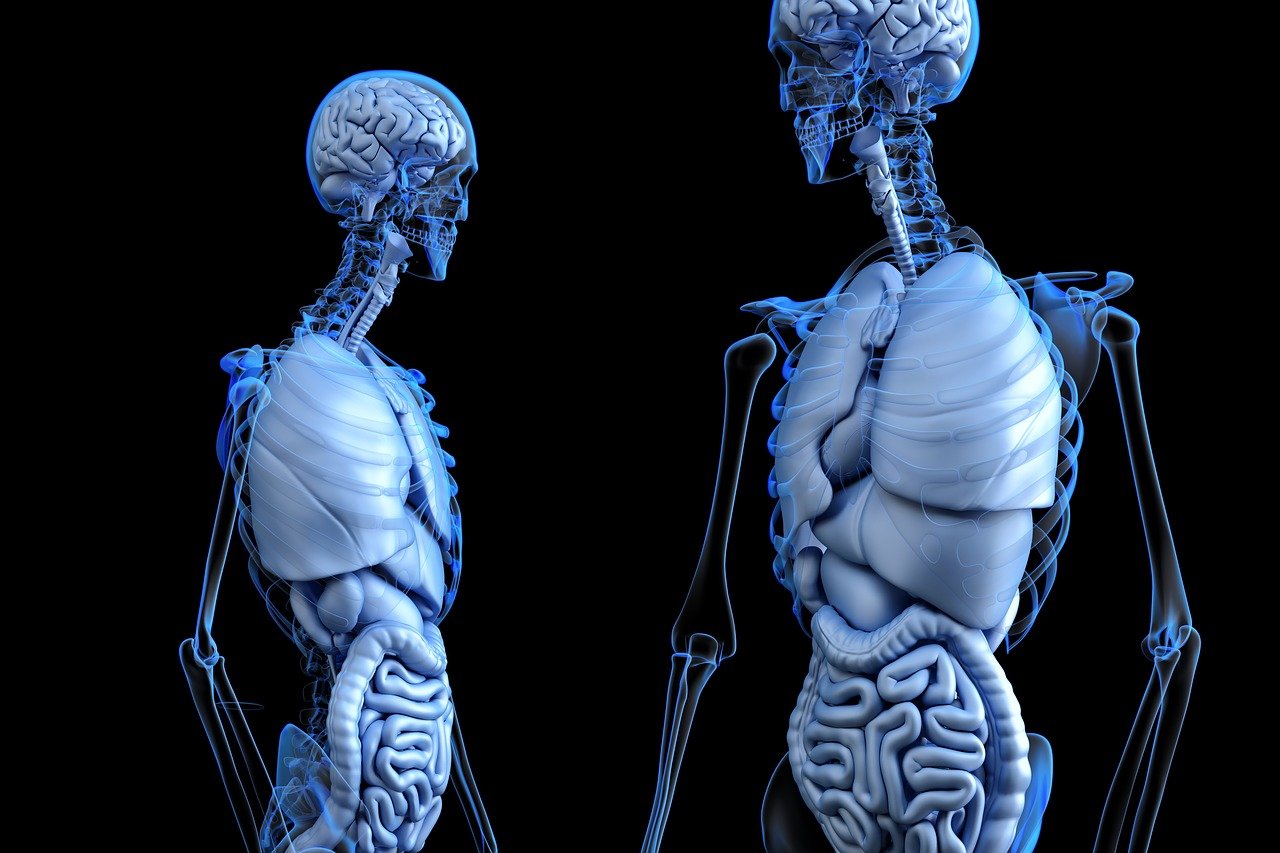
The gut-brain axis (GBA) is a complex communication pathway connecting the digestive system and the brain, playing a crucial role in various bodily functions, such as weight maintenance. Researchers have identified that the gut microbiota, which consists of trillions of bacteria in the intestines, influences brain functions related to appetite, metabolism, and emotions. These connections suggest that improved gut health could potentially lead to better weight management and overall wellness. A balanced diet rich in certain fibrous foods acts as a prebiotic, promoting the growth of healthy gut bacteria. This healthy microbiome can produce short-chain fatty acids, helping regulate hunger hormones. Furthermore, stress-induced changes in gut microbiota may affect weight gain and loss. Practicing stress management techniques, such as yoga or meditation, can positively influence gut health. Additionally, incorporating probiotics can restore gut balance. Consuming fermented foods like yogurt can offer beneficial bacteria and improve digestion. A holistic approach to gut health reflects positively in weight maintenance efforts, showing how intertwined our gut health is with maintaining an optimal weight effectively. Maintaining a proactive approach to gut health could help individuals control their weight more effectively.
The role of gut health in maintaining weight is increasingly recognized, highlighting the importance of treating gut issues to support weight control. When the gut microbiota is unbalanced due to poor dietary choices, factors like stress or antibiotic use may lead to inflammation and hormonal imbalances. Such imbalances can disrupt the signaling pathways between the gut and the brain, altering appetite and energy expenditure. Proper diet management, focusing on whole foods like fruits, vegetables, and whole grains, helps nourish gut bacteria, enhancing their functionality. Regular consumption of prebiotics, such as garlic, onions, and bananas, can stimulate beneficial bacteria growth, promoting metabolic health. Furthermore, staying hydrated ensures optimal gut function, aiding digestion and nutrient absorption. Research links poor gut health to various metabolic disorders, showcasing the need for personalized dietary strategies targeting gut health for effective weight control. Individuals aiming to manage weight should consider their gut health essential. Lifestyle modifications, including consistent physical activity and sufficient sleep, will complement dietary changes, creating a conducive environment for a healthier gut, ultimately enhancing weight maintenance strategies.
How Stress Affects Gut Health
Stress can significantly impact gut health, indirectly influencing weight maintenance through the gut-brain axis. When the body encounters stress, it triggers a hormonal response that can lead to inflammation in the gastrointestinal tract. This inflammation may disrupt the balance of gut microbiota, promoting the growth of harmful bacteria while reducing beneficial bacteria. Such changes can affect the body’s ability to harvest energy from food sources, potentially leading to increased fat storage and contributing to weight gain. Chronic stress may also result in unhealthy eating behaviors, such as emotional eating. Stress-induced cravings often lead to higher consumption of comfort foods, which are typically high in sugar and unhealthy fats, further compounding weight issues. To manage stress levels effectively, individuals should engage in activities like exercise, mindfulness practices, or hobbies that promote relaxation. Additionally, dietary changes such as reducing caffeine and sugar intake can help regulate stress. By recognizing the connection between stress and gut health, individuals can take proactive steps to mitigate stress effects on their gut, leading toward better weight management outcomes over time.
A diverse gut microbiome is essential for maintaining a healthy weight, emphasizing the importance of a varied diet. Eating a wide range of foods ensures exposure to different prebiotics and probiotics, fostering a well-rounded gut bacteria population. The interaction between these microorganisms and our immune system plays a crucial role in weight regulation and metabolic health. In addition, consuming various fiber sources from legumes, whole grains, fruits, and vegetables can enhance gut health by encouraging the growth of beneficial bacteria. To further improve gut diversity, consider incorporating fermented foods. Foods like kimchi, kefir, sauerkraut, and kombucha introduce live active cultures that can help restore a balanced gut environment. Additionally, minimizing processed foods in your diet is vital, as they may disrupt gut health and provoke inflammation. This diversity in dietary choices creates a richer microbiome that positively influences appetite control, metabolic flexibility, and overall weight maintenance. Individuals should aim for a minimum of 30 different plant-based foods weekly to bolster gut diversity effectively.
The Importance of Nutrition for the Gut
Nutrition plays a vital role in nurturing a healthy gut, which, in turn, supports successful weight maintenance. The types of foods consumed have direct implications on the gut microbiota composition and overall gut function. Certain nutrients, like polyphenols found in berries, green tea, and dark chocolate, exhibit prebiotic properties, aiding the growth of beneficial bacteria. Additionally, Omega-3 fatty acids are crucial for reducing inflammation, promoting a balanced gut environment. These nutrients supplement a diet rich in fiber, which is essential for gut health, as fiber can help regulate bowel movements and support the growth of good bacteria. To foster optimal gut health, individuals should consider adopting a Mediterranean diet, which emphasizes whole foods and healthy fats, combining taste with health benefits. Regular meals rich in vitamins, minerals, and healthy fats can lead to improved gut function and overall well-being. By focusing on nutritional value rather than just calorie counting, individuals can develop an overall positive relationship with food, further enhancing weight maintenance efforts through improved gut health.
Regular physical activity not only supports body fitness but also promotes gut health, which is linked to weight maintenance. Studies indicate that exercise can enhance gut microbiota composition, increasing the presence of beneficial bacteria that contribute to energy balance. As metabolism improves with physical activity, the body becomes more adept at regulating appetite hormones. Exercise stimulates gut motility, which aids digestion and nutrient absorption, reinforcing the gut health-weight relationship. Incorporating a variety of exercise routines, from cardiovascular exercises to strength training and flexibility workouts, can yield the most beneficial effects. Consistency is key; even moderate-level activities, such as walking or cycling, can help maintain a healthy gut environment. Additionally, social aspects of team sports or group exercises can reduce stress levels, positively influencing gut health indirectly. Thus, forming a regular exercise routine not only works towards maintaining a healthy weight but also cultivates a balanced gut microbiome. The involvement of physical health emphasizes the need for an integrated approach to weight management, merging dietary and exercise practices to promote overall wellness effectively.
Conclusion: A Holistic Approach
Weight maintenance is a multifaceted endeavor influenced deeply by gut health, elucidating the significance of a holistic approach. Recognizing the connections between gut microbiota and brain functions involved in appetite, metabolism, and health is essential. To effectively manage weight, individuals should emphasize nutrition, stress management, and physical activity alongside monitoring gut health. Eating diverse, whole foods that support gut diversity and regular consumption of probiotics can enhance overall gut function, aiding in maintaining a healthy weight. Additionally, prioritizing mental health and managing stress through activities like exercise or mindfulness can help protect gut health, ensuring a beneficial environment. Fostering healthy habits requires dedication, but the benefits are substantial. A robust and diverse gut microbiome reflects positively on physical health and emotional well-being, creating a balanced ecosystem in which weight can be maintained more effectively. Therefore, embracing a comprehensive strategy that highlights the gut-brain connection is vital for those dedicated to achieving sustainable weight maintenance. Individuals can enhance both gut health and emotional well-being, ultimately ensuring a healthier, balanced life through proactive measures.
In summary, understanding the gut-brain axis’s role in weight maintenance emphasizes the need to integrate gut health in overall weight management strategies. With its influence on appetite, metabolism, and emotional well-being, it becomes clear that nurturing gut health is vital for those aspiring to maintain a healthy weight. By following this comprehensive approach that encompasses diverse dietary choices, stress management techniques, and consistent physical activity, individuals can foster positive changes in their gut microbiota. This holistic strategy will support sustainable weight control, benefiting not just the body but also the mind. As research continues to explore the intricate connections within the gut-brain axis, individuals must remain proactive in caring for their gut health. With a balanced lifestyle that promotes both physical and mental well-being, achieving and maintaining weight targets becomes significantly more attainable.