
Role of Water in Reducing Postpartum Inflammation
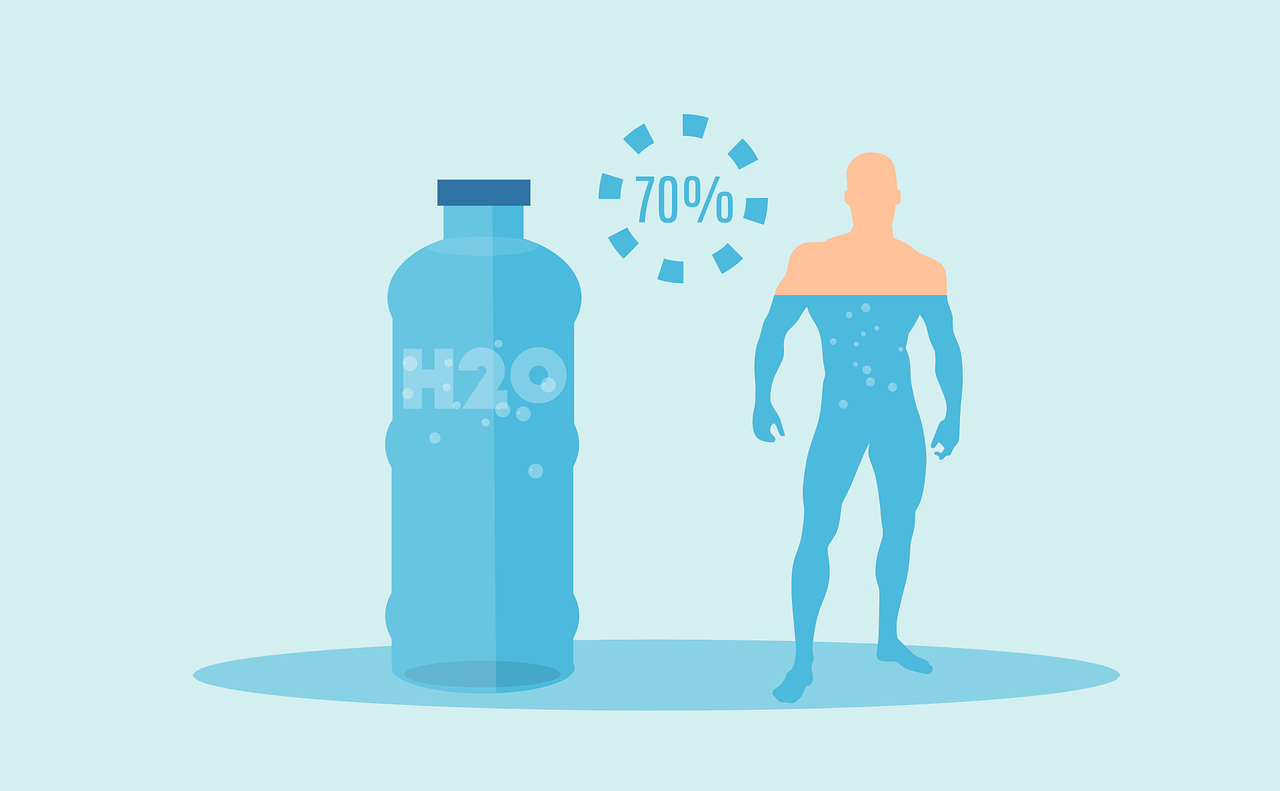
The postpartum period brings numerous physical challenges for new mothers, one of which includes inflammation. A key factor in mitigating these adverse effects is hydration. Water plays a vital role in flushing out toxins, transporting nutrients, and maintaining optimal cellular function. Research indicates that adequate hydration facilitates the body’s natural healing processes and can significantly reduce inflammation. This is particularly critical for postpartum recovery, as new mothers are often under immense physical and emotional stress. By ensuring they are well-hydrated, mothers can support their immune system, promote better circulation, and alleviate discomfort caused by swelling. Symptoms of dehydration may mimic those of postpartum complications, making it essential for mothers to monitor their water intake. Simple practices like keeping a water bottle nearby or infusing water with fruits can encourage proper hydration. Moreover, understanding how fluid requirements change during breastfeeding is crucial for sustaining milk production and maintaining maternal health. Thus, prioritizing hydration is essential for new mothers to enhance their recovery and overall wellbeing.
In addition to supporting inflammation reduction, hydration also plays a role in improving energy levels. New mothers often experience fatigue due to sleep deprivation and the demands of caring for a newborn. Staying adequately hydrated helps maintain energy levels by preventing sluggishness often associated with dehydration. The body’s biochemical processes rely on balanced hydration to function optimally, influencing everything from physical energy to mental clarity. Drinking sufficient water boosts metabolism and aids food digestion, allowing for better nutrient absorption. If a new mother feels lethargic, it could be a signal that her body requires more fluids. Utilizing natural hydration sources, such as fruits and vegetables, can be an enjoyable and effective way to increase fluid intake. Foods with high water content not only contribute to overall hydration but also provide essential nutrients. This holistic approach to hydration enables new mothers to tackle daily challenges with renewed vigor and resilience. Staying energized can facilitate exercise participation and enhance mental wellness during the postpartum adjustment phase. Therefore, drinking enough water is critical for sustaining daily activities and caring for the newborn.
Benefits of Proper Hydration
Moreover, proper hydration can contribute significantly to mental health postpartum. The emotional changes and overwhelming feelings experienced after childbirth can be compounded by dehydration, leading to increased irritability and mood swings. Studies have shown that adequate fluid intake can positively impact mood by improving overall well-being and cognitive function. Water helps in the production of neurotransmitters, which are essential for regulating mood and stress levels. Keeping hydrated can also prevent headaches, another common postpartum issue caused by hormonal fluctuations and fatigue. New mothers should incorporate hydration checks into their wellness routines, treating water intake as essential as nutrition. Moms can monitor their hydration status by observing the frequency and color of urine; pale yellow is a good indication of adequate hydration levels. Staying ahead of thirst is crucial, as the feeling often indicates that dehydration has already set in. Adopting hydration-friendly habits, such as drinking a glass of water before each meal or adding hydration reminders to the daily schedule, can make a significant difference in mental well-being during the postpartum phase.
When considering strategies for maintaining hydration, new mothers must understand the effects of breastfeeding. Lactation substantially increases the body’s fluid requirements, as fluid loss occurs with milk production. It’s generally recommended that breastfeeding mothers drink at least 16-32 ounces of water daily in addition to their regular intake. This will not only nourish the mother but also ensure that the baby receives sufficient milk. Understanding the signs of dehydration during breastfeeding can empower new mothers and provide practical guidance for self-care. Symptoms such as decreased urine output, fatigue, and dry mouth should not be overlooked. Implementing strategies like drinking water during breastfeeding sessions or keeping fluids close at hand can effectively address this need. Furthermore, incorporating electrolytes into hydration practices through options like coconut water or electrolyte-enhanced drinks can further assist in replenishing lost nutrients. By prioritizing hydration, new mothers not only facilitate their recovery process but also foster a healthy breastfeeding relationship. Thus, recognizing the intimate connection between hydration and breastfeeding is integral for both maternal and infant health.
Hydration and Physical Recovery
In the quest for physical recovery postpartum, hydration becomes a supportive ally. Fluid intake directly affects muscle recovery, particularly after childbirth, which may involve physical exertion or surgical interventions such as C-sections. Adequate hydration will assist in preventing muscle cramping and reducing soreness, facilitating a smoother transition back to physical activity. New mothers who engage in gentle exercises should prioritize hydrating before and after workouts to replenish lost fluids. Simple stretching, walking, or postpartum yoga can significantly benefit from proper hydration, promoting blood flow and flexibility. Consistent water consumption helps eliminate waste products and inflammation from muscle fatigue, ensuring mothers maintain their fitness journey effectively. Additionally, incorporating broths and soups can support hydration and provide essential nutrients during the recovery phase. They also add flavor, making hydration more enjoyable. Understanding each individual’s hydration needs based on activity levels can be crucial for crafting a personalized recovery strategy. Thus, combining hydration with light physical activities creates a comprehensive approach to recovery, ensuring that new mothers feel supported in their postpartum journey.
It’s important to remember that hydration is connected to dietary choices; therefore, making wise decisions about what to drink can enhance overall wellness. Opting for beverages low in sugar and caffeine while prioritizing water can optimize hydration levels while promoting better health. Natural fruit-infused water provides a nutritious alternative to sugary sodas, keeping mothers refreshed without unnecessary calories. Herbal teas and fruited juices should also be consumed mindfully, as some can contribute to dehydration. Fostering healthy hydration habits sets the foundation for long-term wellness, teaching new mothers about the importance of nutrition throughout their postpartum period. Practical tips can include meal planning with hydration in mind or set reminders to drink water throughout the day. Introducing a hydration tracker on a smartphone can assist in achieving daily goals, making it an enjoyable challenge. Coupling water intake with well-balanced meals will support both hydration and physical recovery. Mothers who remain mindful of their hydration journey will likely see improved health outcomes for both themselves and their babies.
Conclusion
In conclusion, the role of hydration in reducing postpartum inflammation cannot be overstated. New mothers are encouraged to prioritize water intake as a strategic approach not only to aid recovery but also as a means to uplift their health and emotional well-being. Hydration influences energy levels, mood stabilization, and physical recovery, linking back to better postpartum experiences. The journey of motherhood comes with challenges; therefore, incorporating simple hydrating practices can ease this transition. Education about the importance of water, especially in the context of breastfeeding and physical recovery, can empower every new mother. Additionally, establishing hydration-friendly habits early on fosters a supportive environment for maintaining optimal health. Remember to engage with hydration strategies throughout the day by integrating water into every aspect of life. Establishing a balance between hydration and nutrition can promote every new mother’s integrative health. A well-hydrated body can tackle the challenges of motherhood with grace, resilience, and strength. For every new mother, a glass of water may very well be a glass of hope.