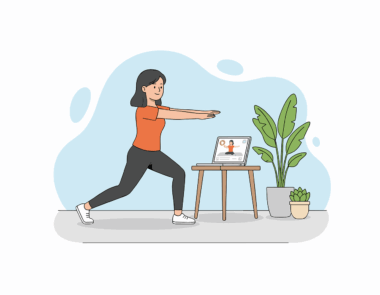

Mindfulness Techniques to Manage Negative Thoughts While Exercising
When embarking on a fitness journey, managing negative self-talk is crucial for success. Negative thoughts can be detrimental to motivation and performance. Mindfulness techniques offer a way to counter these destructive thoughts. Focusing on your breath is an effective technique. Deep inhalations allow you to clear your mind, creating space for positive affirmations. When you feel negativity creeping in, concentrate on your breathing. Inhale slowly through your nose, hold for a few seconds, and then exhale through your mouth. This practice can shift your mental state. Additionally, visualizing a successful workout can help foster confidence. Envision yourself completing the workout with enthusiasm. Imagine the accomplishment and pride you will feel. When you picture success, it can increase your determination to push through workouts. Journaling is yet another effective technique for managing your thoughts. Write down any negative thoughts and challenge their validity. What evidence do you have that proves this feeling is incorrect? This can create a healthier mindset. Engage with supportive communities, like fitness groups or online forums. Surrounding yourself with positive influences can significantly alter your perspective and help diminish negative self-talk.
The power of positive affirmations cannot be underestimated. Incorporating affirmations into your workout routine can build mental strength and resilience. Repeat phrases such as “I am strong” or “I can achieve my goals.” These affirmations, when spoken daily, can build your confidence and eventually replace negative self-talk. Utilize each workout session to practice these affirmations. When you find yourself facing challenges, gently remind yourself of these positive statements. Another essential technique is gratitude. Focusing on what your body can do instead of what it cannot creates a healthier mindset. Express gratitude for your ability to move, even if only for a short distance or duration. Reflect on your progress, no matter how small. Celebrate each milestone. Additionally, engaging in meditation outside of workouts can yield benefits. Spend a few minutes each day focusing on quietness. This practice enhances self-awareness and promotes mental clarity. You will find that over time, your internal dialogue improves. Consider incorporating yoga into your fitness routine as well. It combines physical fitness with mindfulness and promotes a balanced perspective.
Embracing the present moment during workouts is a foundational mindfulness technique. Rather than letting your mind wander to past failures or future uncertainties, focus on the sensations of your current activity. Feel each muscle engage, each breath taken, and the rhythm of your movements. This allows for a powerful connection to your body. By grounding yourself in the present, negative thoughts can be diminished. Engage all your senses; notice the sounds of your surroundings, the colors, and the feeling of equipment in your hands. Also, try to use a mantra throughout your exercises. Chanting a meaningful word or phrase can provide rhythm and focus during your workout. It can be a valuable distraction from any self-doubt. Another effective method involves setting realistic goals. Instead of overwhelming yourself with lofty aspirations, set smaller, achievable goals. This could pertain to increasing repetitions or simply completing the workout without stopping. Each achievement, no matter how small, contributes to building a positive self-image. Celebrate these moments to reinforce positive beliefs about your abilities. Consistency in applying these techniques can redefine your mental game and transform your overall experience.
Incorporating Mindfulness into Your Routine
Your overall approach to fitness should incorporate mindfulness beyond the gym. Mindfulness can be practiced in daily activities, not just during your workout sessions. For instance, when preparing a meal, focus on the textures, colors, and flavors of your food. Appreciate the nourishment you provide to your body. This mindful engagement can shift your mindset regarding fitness and health overall. Regularly check in with yourself about your emotions and thoughts. Are they supportive or damaging? Acknowledge your feelings without judgment. This can foster a more compassionate relationship with yourself. Journaling after workouts can also help capture thoughts immediately following exercise. Write down both positive and negative feelings, and analyze them later. A pattern may emerge that shows specific triggers for negative thoughts, making them easier to address. Group workouts can also instill a sense of accountability. Exercising with friends offers both motivation and support. When you see others push through challenges, it often inspires you to do the same. Choose a workout buddy who encourages positivity. Join classes, such as yoga or spin, to meet like-minded individuals who share your goals.
Mental rehearsal is a technique where you visualize yourself executing specific moves successfully. Athletes often rely on this method. Applying it to your workouts can create a vivid mental image that helps alleviate negativity. Picture your form, movements, and even the emotions you’ll experience post-workout. Importantly, fuel your body appropriately. Diet plays a crucial role in mental energy and clarity. Eat nutrient-dense foods that enhance focus and performance. Avoiding heavy meals before workouts can reduce sluggishness, allowing you to concentrate better. Hydration also cannot be overlooked. Dehydration can impact your mood and energy levels. Maintain optimal hydration before, during, and after workouts. Utilize these techniques to establish a smoother connection between your physical and mental self. Engaging in favorite activities can also provide motivation. Choose exercises you truly enjoy, and when fatigue or negativity strikes, shift your focus back to joy. Try dancing, hiking, or group classes where you can be social. Lastly, create a rewarding post-workout ritual. This could involve indulging in a warm bath, enjoying a healthy treat, or watching your favorite show, reinforcing positive associations with physical activity.
Overcoming Setbacks through Mindfulness
Setbacks in your fitness journey are inevitable. Embracing mindfulness during these times can expedite your return to a positive mindset. Instead of falling into a negative spiral when setbacks occur, acknowledge the feelings but don’t dwell on them. Practice self-compassion. Understand it’s part of the process and does not define your overall abilities or worth. Remember, every successful journey involves hurdles. Consult your journal for insight into how you felt during those moments. Exploring previous experiences can illuminate thought patterns and lead to better decision-making in the future. Return to the affirmations that resonate most with you. Saying them aloud can serve as a grounding technique when faced with challenges. Embrace an attitude of learning. Instead of viewing setbacks as failures, consider what these experiences teach you about yourself. This shift in mindset fosters a growth-oriented approach. Seek the support of peers or trainers who understand this journey. They can provide encouragement and share their own experiences of overcoming difficulties. Create a plan to address any limitations caused by your setback. A structured approach often alleviates anxiety and promotes self-efficacy.
Finally, creating a positive and energizing environment enhances your workouts and mental state. Decorate your workout space with inspiring quotes or imagery that reminds you of your goals. Surrounding yourself with motivation encourages you to push through negativity. Ensure your workout playlist fuels your enthusiasm. Upbeat music can elevate feelings of happiness during exercise. Alternatively, calming sounds may be better suited for those intense workouts. Experiment until you find what works best. A supportive workout space includes like-minded individuals who inspire you. Consider joining workout groups that emphasize encouragement and personal growth. These communities can offer vital emotional support. Furthermore, set weekly mind-body challenges to incorporate mindfulness into your routine. This could include dedicating specific days to focus on your breath and self-affirmation. Document your experiences. Reflect on how you feel before and after embracing mindfulness moments during or after workouts. Understanding the connection between body and mind is vital for overall growth in fitness and life. Gradual practice builds resilience against negative self-talk, transforming how you view exercise and, ultimately, yourself.