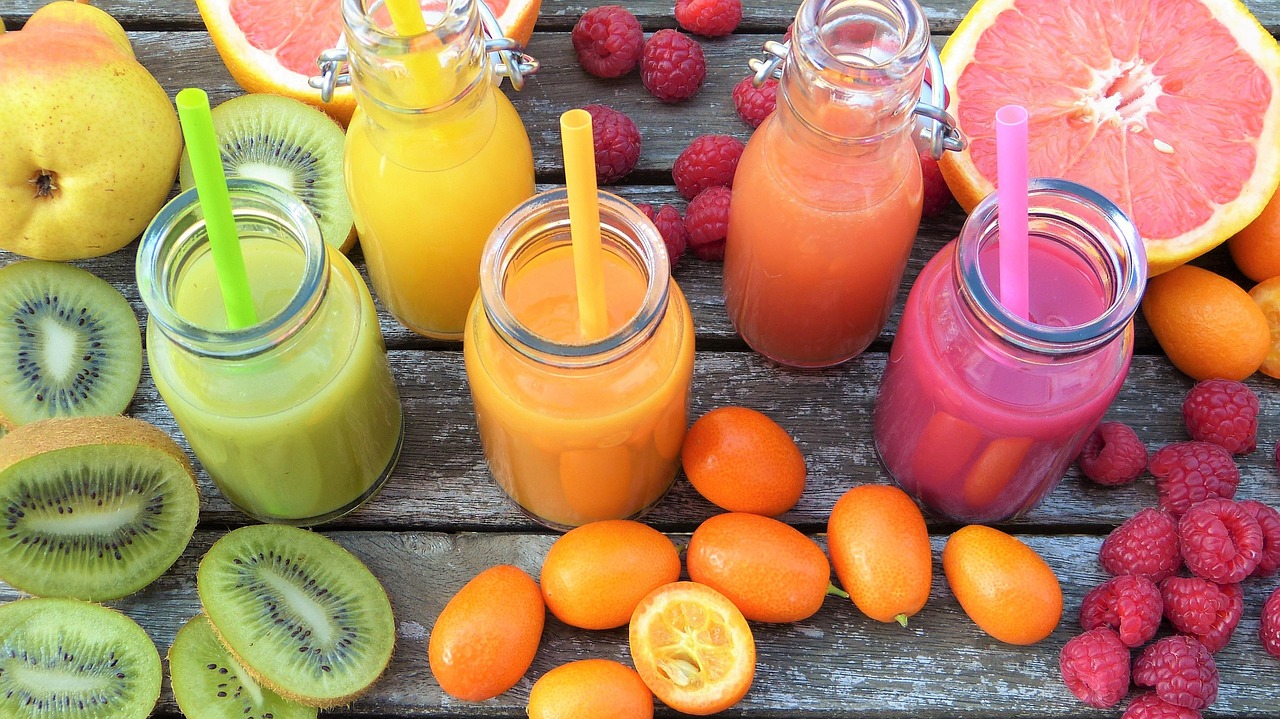

Do Detox Diets Really Cleanse Your Body? Science Explains
Detox diets have gained immense popularity over the last decade. Many believe they can purge toxins and rejuvenate health. However, science presents a contrasting viewpoint. Our body effectively detoxifies itself through organs like the liver, kidneys, and digestive system. No specific diet is needed to support these functions. While some argue that detox diets help eliminate excess waste, most evidence points to them lacking a significant role in detoxification. Consequently, the allure remains, raising questions. Proponents suggest detox diets can enhance energy and promote weight loss. While brief fasting may provide satisfaction in certain contexts, the long-term effectiveness is dubious. This leads to confusion, especially regarding claims of miraculous health benefits from juices and cleanses, which often come without substantial backing. Simply put, nutrition experts advocate balanced meals over restrictive diets. A diet rich in fruits and vegetables naturally supports detoxification processes without drastic extremes. For sustainable health, the focus should shift towards moderation. Proper hydration, a balanced diet, and regular physical activity are paramount to achieving optimal health and wellness. Investigating these factors provides a clearer understanding of effective approaches towards well-being.
Furthermore, it’s critical to address the potential side effects of detox diets. Many of these diets promote a severe restriction on calorie intake, leading to nutrient deficiencies. For example, those who engage in juice cleanses often miss essential nutrients like proteins and fats necessary for healthy bodily functions. This can lead to fatigue, dizziness, and irritability. One crucial element of health is ensuring our body receives adequate nutrients to maintain energy levels and metabolic processes. As a result, individuals can become increasingly dependent on these fads, believing they need to detox regularly. Unfortunately, frequent detoxifications can pave the way for disordered eating patterns and unhealthy relationships with food. An alternative approach is incorporating healthy habits into daily lifestyles, such as promoting the consumption of whole, unprocessed foods. By focusing on nutrient-dense options, including whole grains and lean proteins, we can nourish our bodies instead of subjecting them to restrictive diets. Moreover, seeking the advice of a registered dietitian can ensure a well-rounded nutritional plan that supports health without resorting to fads. Ultimately, understanding the intricacies of what detox really entails is essential for informed choices.
The Science Behind Detoxification
Detox diets often claim to eliminate harmful substances, such as heavy metals and chemicals. However, the science suggests that our bodies are equipped to handle these pollutants. Liver enzymes play a pivotal role in metabolizing toxins, while kidneys filter and excrete waste products from the bloodstream. Furthermore, digestion is a natural detoxifying process of its own, expelling waste through bowel movements. When it comes to preparing the body for detoxification, hydration is vital. Drinking adequate amounts of water assists kidneys in performing optimally and helps facilitate the overall detox process. Interestingly, research signifies that a fiber-rich diet can enhance bowel movements, thus aiding in natural detoxification. Foods high in fiber include legumes, whole grains, fruits, and vegetables. Moreover, antioxidants from colorful foods can support liver function, indirectly aiding detox processes. Therefore, rather than relying on diet fads, embracing a lifestyle incorporating whole foods can contribute to better health. It solidifies the argument in favor of choosing a sustainable approach over quick fixes. More so, understanding how our body operates opens pathways for healthier dietary choices, steering clear of misinformation and myths surrounding detox diets.
In addition, hydration plays a crucial role in any detoxification claim. Research corroborates that proper water intake helps organs like the kidneys flush out toxins efficiently. The emphasis on drinking plenty of water, alongside a balanced diet, is key to supporting kidney function. It’s worth noting that the human body is inherently good at self-detoxification, dismantling and eliminating toxins without any special diets. Additionally, a diet high in processed foods can lead to an accumulation of harmful substances in the body, placing undue strain on detox organs. To this end, experts often recommend adopting a whole-foods approach. Whole foods naturally contain fiber, vitamins, and minerals essential for optimal health. Interestingly, these foods serve a dual purpose; not only do they aid the body’s innate detox capabilities, but they also support overall well-being. A comprehensive view of nutrition focuses on enriching diets with fruits, vegetables, lean proteins, and whole grains. This way, individuals can enjoy long-term health benefits without turning to diet fads. By prioritizing balanced nutrition and well-being, the necessity for extreme detox diets diminishes significantly, promoting a healthier relationship with food.
Myths Versus Facts
Understanding the myths surrounding detox diets is vital to making informed dietary decisions. Numerous misconceptions contribute to the temptation of such diets. For example, one common belief is that detox diets can lead to rapid weight loss. However, this is often a temporary result, primarily attributed to water loss rather than fat loss. Consequently, when individuals return to normal eating patterns, the weight usually returns as well. Another misconception is that detox diets can cleanse organs like the liver. However, healthy individuals do not require external assistance for liver function. Consuming certain herbs and supplements claiming liver detoxification is unnecessary, and in some cases, could even harm the liver. Furthermore, many detox diets significantly restrict calories, often leading to energy deficits and subsequent health issues. Achieving a sustainable weight and improving health is better served through gradual changes and overall lifestyle adjustments. Instead of opting for quick detox solutions, individuals could focus on balanced nutrition and regular exercise. Ultimately, recognizing the difference between myths and facts is essential to fostering healthy habits and achieving genuine wellness.
Moreover, the psychological impact of engaging in detox diets cannot be overlooked. Many participants often develop an unhealthy preoccupation with the idea of detoxification. This obsession can lead to disordered eating patterns or rigid food rules that disrupt regular health habits. For instance, some individuals become overly fixated on counting calories or eliminating entire food groups. The psychological ramifications can produce feelings of guilt, shame, or anxiety when consumed foods do not align with detox diets. In contrast, promoting a balanced lifestyle fosters a more positive relationship with food. Encouraging mindful eating, where individuals pay attention to hunger cues and satisfaction, is crucial. Additionally, incorporating flexibility in dietary choices allows for indulgences without guilt, thus promoting overall mental well-being. Furthermore, education on nutrition plays a vital role in shedding light on misconceptions regarding detox diets. Access to accurate information about food sources facilitates healthier decision-making and inspires people to prioritize wellness. In this way, individuals can navigate their health journeys with confidence, moving away from detox extremes towards integrated, evidence-based approaches that support long-term health.
Final Thoughts on Detox Diets
In conclusion, the allure surrounding detox diets is profoundly compelling yet wracked with misinformation. These diets often promise miraculous results, which can actively deter people from focusing on realistic pathways to health. Their claims, on the whole, tend to oversimplify complex processes like detoxification and weight loss. Ultimately, leading an effective and healthy life stems from embracing balanced, nutritious diets. Whole foods help optimize the body’s ability to detox naturally without the adverse effects associated with extreme diets. In essence, the key lies in moderation, ensuring an adequate intake of essential nutrients and maintaining an active lifestyle. Educating oneself about nutritional choices can empower individuals to make sound decisions that support their health objectives. Furthermore, it’s essential to consult with healthcare providers before considering any drastic changes in one’s dietary regimen. This approach personalizes dietary goals and aligns with individual health needs, ensuring that choices are backed by factual information. Embracing a healthier lifestyle integrated with understanding nutrition minimizes reliance on fads. Upon recognizing these truths, one can confidently foster a healthier relationship with food and prioritize their long-term well-being.
As we continue to navigate our dietary journeys, it becomes clear that detox diets often overstate their benefits while downplaying inherent processes within our bodies. Awareness and education around nutrition help to inform our choices, facilitating an attitude conducive to positive adaptation. Emphasizing consistent adherence to a nutrient-rich diet can have lasting effects, nourishing both body and mind. Therefore, rather than chasing the next detox trend, individuals are encouraged to explore options that favor wholesome, balanced eating patterns. Positioning oneself for success involves examining what contributes to individual health objectives and looking past enticing but unfounded detox marketing claims. To safeguard health, it’s vital to seek out trustworthy information and reputable dietary advice that supports one’s health goals. Engaging with this knowledge equips individuals with the confidence needed to reject diet culture’s bounds and embrace a more sustainable, nourishing lifestyle. Ultimately, everyone deserves to enjoy food without the burden of guilt associated with detox trends. Through education and conscious choices, we can create healthier habits that prioritize our overall health, emphasizing self-care while still savoring life’s pleasures without fear. Educational resources and comprehensive guidelines provide firm footing in achieving these aspirations.