
Hydration Myths Debunked: What You Need to Know for Summer Fitness
Staying well-hydrated during summer activities is essential for maintaining optimal fitness levels. Unfortunately, many myths surround hydration that can lead to improper practices and impact performance negatively. One popular myth suggests that drinking water only when thirsty suffices. In reality, thirst is often a late indicator of dehydration, meaning you may already be in need of fluids by that point. To prevent this, aim to drink water consistently throughout the day and not just during exercise. Additionally, some believe that sugary drinks can effectively hydrate. However, such options can lead to energy crashes and increased thirst in the long run. Instead, focus on water-rich foods like fruits and vegetables. This approach offers hydration and vitamins while being beneficial for your overall wellbeing. Consider tracking your water intake using apps or reminders to ensure you create a habit of regularly sipping water. This is particularly important in warmer climates where fluid loss can be rapid. Stay informed and adjust your hydration strategies to enhance your summer workouts while demystifying hydration. Implementing these adjustments can make a significant difference in your overall hydration strategy this summer.
One common misconception about hydration is that consuming sports drinks is necessary for every workout. Many people think these drinks are essential for all exercise sessions, leading to unnecessary sugar intake and calories. The truth is, for most casual or moderate exercisers, plain water is sufficient to stay hydrated. Sports drinks are more beneficial for athletes engaged in intense workouts lasting over an hour or during extreme heat conditions, where electrolyte replacement becomes crucial. Before opting for a sports drink, consider your activity intensity, duration, and conditions. Always prioritize drinking water first, saving sports drinks for times when they’ve been proven necessary. Another myth involves drinking large quantities of water at once to replenish fluids effectively. This approach can overwhelm the body’s ability to absorb water efficiently, resulting in frequent bathroom trips rather than effective hydration. Instead, break up your fluid intake throughout the day, enjoying several smaller servings of water or other hydrating beverages during workouts. Adding slices of fruits like lemons, limes, or cucumbers can enhance your water’s flavor while providing additional vitamins. Be purposeful in your hydration practices for a more productive summer fitness regime.
Understanding Your Body’s Needs
The human body requires different hydration needs based on various factors, including age, gender, and activity level. These factors can significantly affect how much water you should consume daily. For instance, physically active young adults have a higher fluid requirement due to increased sweat rates. During summer, aim to drink at least eight 8-ounce glasses of water daily to support hydration. This baseline increases with activity levels and external temperature, necessitating vigilance regarding your fluid intake. You can also assess hydration status by monitoring urine color. Light yellow urine signals adequate hydration, while dark yellow suggests dehydration. This simple test provides a quick visual cue to gauge your body’s needs and adjust intake accordingly. If you’re exercising, consider hydrating before, during, and after workouts. Carry a water bottle with you, easily reminding you to drink and replenish fluids. Make hydration a priority by integrating it into your daily routine, ensuring you remain at peak performance this summer. Always listen to your body and adjust your water intake based on environmental conditions and your activity level for optimal function.
Moreover, many people overlook how foods contribute to hydration. Certain fruits and vegetables have high water content and can play a pivotal role in your hydration strategy. For example, watermelon, cucumbers, oranges, and strawberries are packed with moisture, providing both hydration and essential nutrients. Incorporating these foods into your summer meals can enhance hydration without requiring additional water consumption. As a bonus, they can encourage healthier eating habits by satisfying sweet cravings without relying on sugary snacks. Preparing hydrating smoothies or juices can create delicious and refreshing options that quench your thirst while delivering vitamins and antioxidants. This approach not only assists hydration but also enhances overall nutrition, improving your performance during workouts. Conversely, be mindful of caffeinated and alcoholic beverages, as they can contribute to dehydration. Moderation is crucial; always balance these drinks with water intake dedicated to maintaining hydration. Ultimately, your hydration strategy should be well-rounded, considering both liquid and food sources to ensure you’re getting enough fluids this summer season. With a little planning, these additions can positively influence fitness throughout the summer months.
Best Practices for Hydration
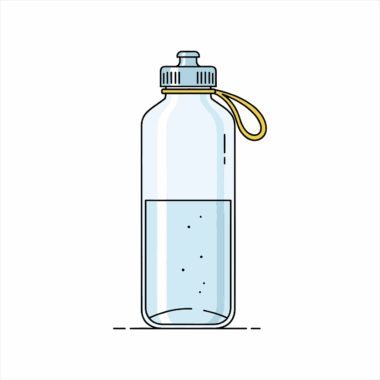
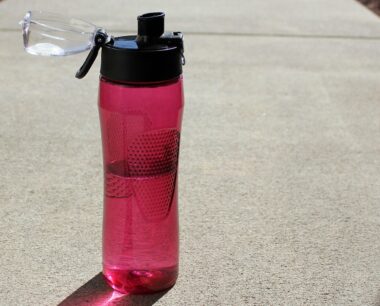
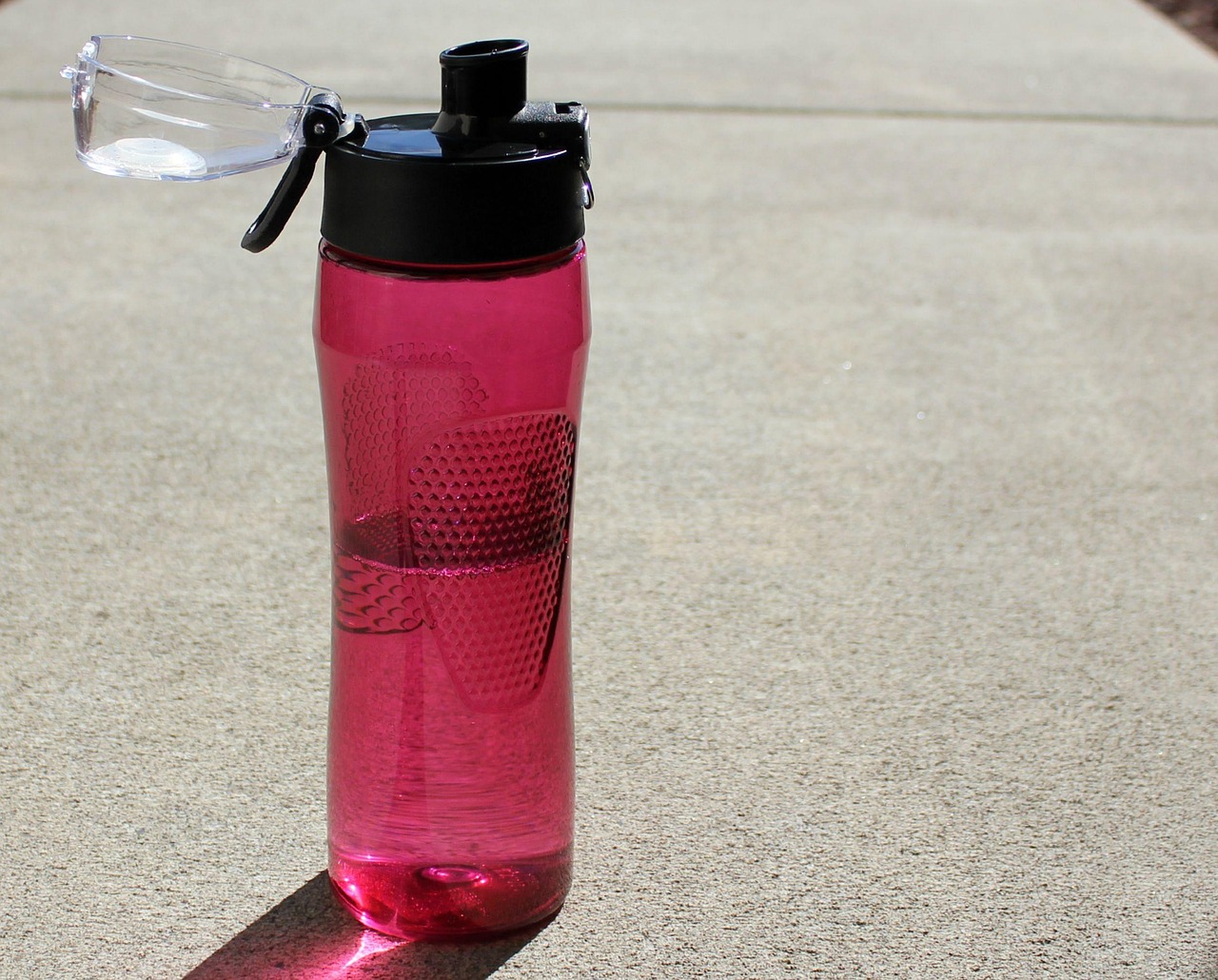
Implementing hydration strategies during summer workouts is crucial for staying healthy while being physically active. First, prioritize drinking water consistently, particularly before starting your fitness routine. Establish a hydration schedule to remind yourself to take water breaks periodically, especially if you’re sweating profusely. Additionally, use sports drinks sparingly and solely for longer, intense workouts, focusing primarily on hydration via water. If you’re unsure how much water you need, listen to your body and adjust fluid intake based on environmental conditions and exercise intensity. It’s also essential to dress appropriately for summer workouts. Light-colored and loose-fitting clothing can help keep your body cool during exercise while reducing sweating. Opt for breathable fabrics to allow air circulation, making it easier for your body to regulate temperature effectively. Another practical tip involves planning fluid resources, such as carrying a refillable water bottle during outings or workouts. Consider placing it in visible locations to remind yourself to hydrate regularly. Implementing these best practices not only keeps you hydrated but also contributes positively to your physical performance and overall health.
In conclusion, understanding hydration strategies essential for summer fitness can significantly enhance personal performance and endurance. Debunking myths surrounding hydration helps create better practices, ensuring that you meet your fluid requirements throughout the season. Aim to integrate water-rich foods, stay vigilant about fluid intake, and adopt a flexible approach based on your activity level and conditions. Regularly assess your hydration status by monitoring clues like urine color and energy levels during workouts. By emphasizing the importance of consistent hydration, you ultimately support better recovery, improved performance, and enhanced health throughout the warmer months. As temperatures rise, pay attention to your body’s cues and adjust your hydration practices accordingly. Stay committed to incorporating healthier habits into your fitness routine, ensuring that you not only remain hydrated but also experience a transformative summer workout regime. Embracing proactive hydration strategies can help combat dehydration risks while promoting energy levels and overall wellbeing. Look forward to enjoying a revitalizing summer characterized by improved fitness and hydration knowledge. The right approach can pave the way for a successful and enjoyable fitness journey this summer season.
Final Thoughts on Summer Hydration
As you incorporate these hydration strategies during summer fitness, remember that consistency is key. Cultivating healthy habits around hydration takes time, but the overall benefits vastly outweigh the efforts. Regularly hydrating before, during, and after workouts can significantly impact your recovery and performance. Building new habits can start gradually, such as by drinking a glass of water first thing in the morning or tracking your intake using an app. Many creative alternatives to regular water can also enhance hydration, including herbal teas and naturally flavored water. Be mindful of external factors affecting your hydration needs, including temperature fluctuations and humidity levels. Dense physical activities in high temperatures require elevated water intake. Maintaining proper hydration ensures your body optimally functions and allows you to enjoy outdoor activities more fully. Finally, remember to balance your hydration practices with solid nutrition to support your comprehensive summer fitness plan. The more informed you are regarding hydration myths and efficient practices, the better equipped you’ll be for a successful summer fitness adventure. Stay hydrated, and enjoy making the most of your summer workouts.