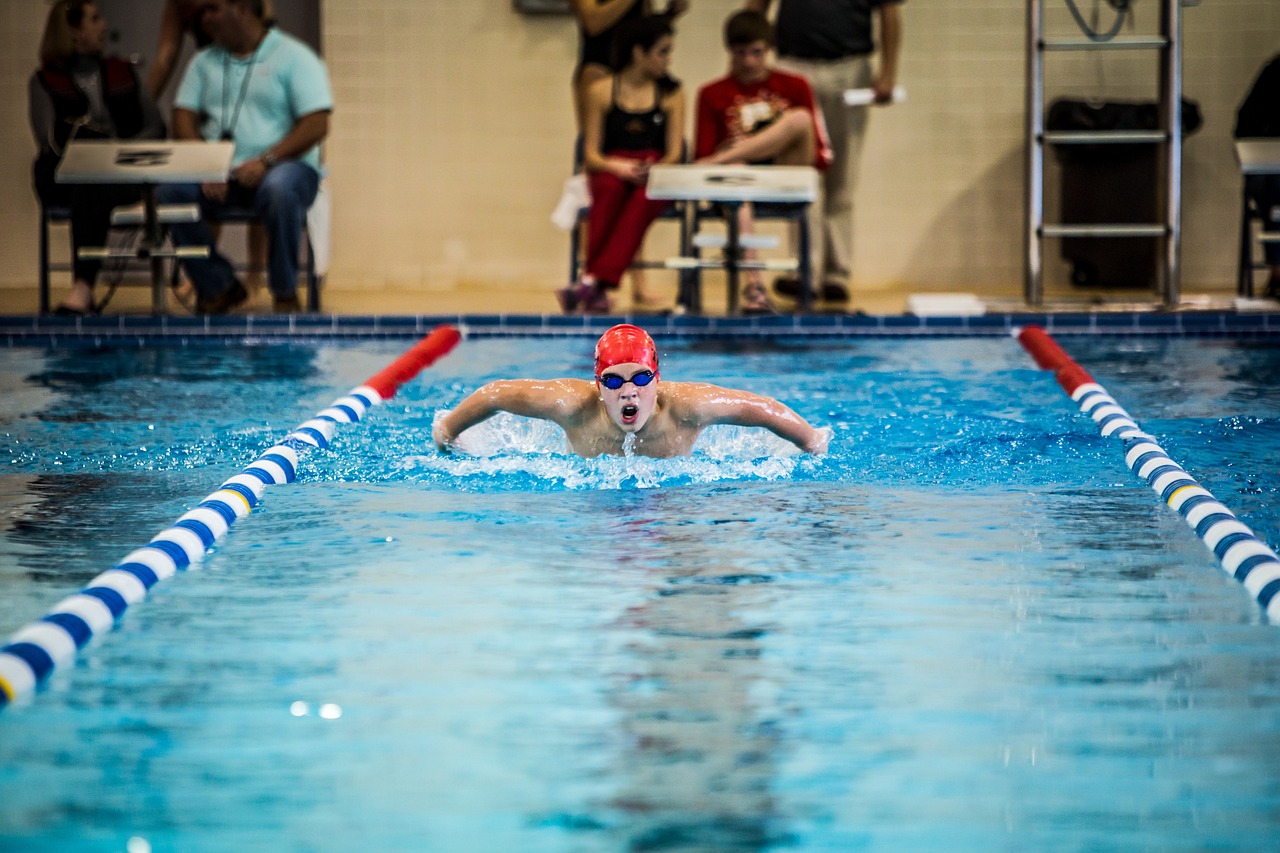

How to Increase Your Butterfly Stroke Rate Safely
Improving your butterfly stroke rate requires a combination of technique, strength, and consistency. First, focus on your body position while swimming. Your torso should be as flat as possible to minimize drag. A streamlined position can be achieved by engaging your core and keeping your hips near the surface. It’s also important to practice your arm technique, ensuring they pull through the water effectively without unnecessary crossovers. You should synchronize your breathing with your strokes. Timing your breath correctly helps maintain momentum. Instead of lifting your head high to breathe, try turning it slightly to the side. This method keeps your body in a horizontal position, reducing resistance. Another key aspect is improving your kick. A strong, consistent flutter kick generates propulsion and helps elevate your hips. Use a kickboard during training to emphasize this. Breathing patterns can also affect calf muscle engagement, so practice it with drill sets. Lastly, consistency in your training routine can greatly influence your stroke rate. Regular, focused practice will develop muscle memory, making the technique second nature. With time and effort, you can safely increase your butterfly stroke rate.
To enhance your overall power in the butterfly stroke, strength training is essential. Incorporating resistance exercises can immensely boost your swimming effectiveness. Focus on the muscles utilized during swimming, such as the shoulders, back, and core. Exercises like pull-ups, shoulder presses, and bent-over rows are particularly beneficial. Additionally, whitestyle training can enhance your muscle’s endurance and power. Aim to incorporate these exercises two to three times a week, supplemented with swimming sessions. Furthermore, it’s imperative to listen to your body to avoid overtraining. Gradually increase your intensity; abrupt changes may lead to injury, which can hinder your progress. Combine strength and technique training to achieve optimal results. Flexibility and mobility exercises, such as yoga, will also aid in maintaining a full range of motion. Maintaining flexibility allows for better technique execution without strain. Warm-up properly before each session to prepare to prevent injuries. This approach helps improve your kick timing and fluidity in stroke transitions. Overall, a balanced approach to strength training and technique will reliably help increase your butterfly stroke rate while minimizing injury risks.
Incorporate Drills for Technique Refinement
Specific drills can significantly enhance your technique, which directly influences your stroke rate. Focus on drills that isolate various components of your stroke, including arm pulls, kicks, and timing. For example, perform single-arm butterfly drills. This drill emphasizes your arm technique and helps to balance your stroke. It’s essential to maintain a steady rhythm while executing the drill. Another effective drill is the “3-3-3 drill,” where you alternate between three strokes with one arm, three strokes with the other, and then three regular strokes. This method promotes coordination and breathing integration. Furthermore, consider incorporating vertical kick drills. This drill builds strength and power in your legs while urging proper kick technique. Holding onto the wall will also help you concentrate on kicking efficiently while maintaining an upright position in the water. Consistent practice of drills enhances your skills over time. Aim for a balanced practice routine that alternates between skill drills and endurance sets. Monitoring your progress is crucial; filming your sessions can help you observe improvements and areas in need of focus.
Another key component in increasing your butterfly stroke rate is understanding the role of pacing. Pacing ensures that you don’t exhaust yourself during practices and races. Find your optimal stroke rate by performing time trials to establish a baseline. This metric will guide modifications to improve stamina. Keeping a consistent pace allows for better control over your energy, especially in longer races. Test various speeds during practice to discover which feels sustainable. Additionally, use a metronome or an app to help maintain consistent stroke rhythms. Regularly practicing under controlled conditions can pinpoint your natural stroke rate. Remember, it’s essential to balance achieving speed without sacrificing your form. Adjust your pacing based on your fatigue levels during training, aiming to be adaptable while retaining efficiency. By analyzing your splits and overall performance during training sessions, you’ll identify areas that need refinement. Discussing your pacing techniques and experiences with a coach or peers may also yield valuable insights. Ultimately, mastering your pacing will significantly contribute to raising your butterfly stroke rate during competitive events.
Strengthen Your Kick
A powerful kick is fundamental in the butterfly stroke. It aids in propulsion and keeps your body in a streamlined position. Your kick should be controlled but vigorous. Focus on keeping your knees close while practicing your flutter kick. Engaging your core will maximize the effectiveness of your kick. Perform specific kick drills during practice sessions, such as using a kickboard or performing vertical kicking without support. These drills build leg strength and enhance your overall kick technique. Proper breathing techniques also tie into kicking efficiency, and a rhythmic kick will contribute to better stroke rates. Aim for a steady cadence with your kicks, maintaining consistent timing with your arm strokes. Engage your hip flexors to enable a fast, powerful stroke movement. Variability in your training is essential; combine distance kicking sets with short bursts at high intensity. Alternating kick sets can stimulate adaptation and prevent stagnation. Always ensure you incorporate rest intervals in your kick practice to allow for recovery. These strategies will incorporate strength and develop your overall swim performance while increasing your butterfly stroke rate.
In addition to drills and strength training, gear selection can enhance your performance in butterfly swimming. Proper swimwear, such as racing suits, can reduce drag, leading to better speed. Test various styles to determine which suits best fit your comfort and performance needs. Glide through the water more efficiently with the right swimsuit material. Swim caps can enhance streamlining by reducing hair drag, further aiding in your quest for speed. High-quality goggles can also significantly impact your clarity and focus during your swim. Ensure they fit securely, enabling you to concentrate on your technique rather than adjustments during practice. Additionally, consider aquatic training tools such as pull buoys or fins. These tools can aid in isolating leg movements and enhancing strength. Fins, in particular, can help improve your kick technique and provides feedback on power and extensions. Incorporate tools as learning aids, ensuring not to rely on them exclusively. Balancing the use of equipment within your training sessions will foster your development. Experimentation with gear will refine your butterfly technique and boost your stroke rate considerably.
Recovery and Nutrition Essentials
The significance of proper recovery and nutrition for swimmers cannot be overstated. Proper nutrition fuels your body, enhancing performance and recovery. Focus on a balanced diet rich in carbohydrates, proteins, and healthy fats to support your rigorous training. Carbohydrates are essential for maintaining energy levels during intense swim sessions. Incorporate recovery foods containing protein within an hour post-training; this aids in muscle repair. Hydration is equally vital; remember to drink adequate fluids before, during, and after workouts. Dehydration impacts performance, so remain consistent in your intake. Additionally, prioritize rest days as they allow for muscle recovery and rejuvenation. The body needs time to adapt to the stresses imposed by intensive training. Consider stretching or yoga on these rest days to maintain flexibility. Furthermore, implement sleep hygiene practices to ensure quality rest; sufficient sleep fosters mental concentration and physical recovery. Regular evaluations with your coach about your training load and personal wellbeing will help balance intensity. Ultimately, a holistic approach encompassing nutrition, hydration, recovery, and mindfulness will optimize your butterfly swimming performance.
In conclusion, increasing your butterfly stroke rate demands consistent effort, refined technique, and an awareness of your limits. Prioritize mastering your technique, as it forms the foundation of efficient swimming. Introduce both strength training and appropriate drills into your routine to develop muscle memory and cardiovascular endurance. Keep pace as a central theme; mastering pacing will significantly enhance your competitive performance over races. Strengthen your kick through focused drills and ensure your gear selection complements your swimming style. Invest time in recovery and nutrition to foster better performance and allow your body to adapt to increased training demands. Ultimately, approach improvements incrementally to ensure a safe and effective journey. Celebrate your progress, small or large, and use any setbacks as learning experiences to refine your strategy. Engaging with a supportive swimming community or coach can also amplify your motivation. The road to success in swimming is paved with dedication, diligence, and patience, emphasizing long-term growth over immediate results. Stay committed to your goals, and remember that each stroke counts toward achieving your desired butterfly stroke rate.