
Using Technology to Optimize Cardiovascular Training
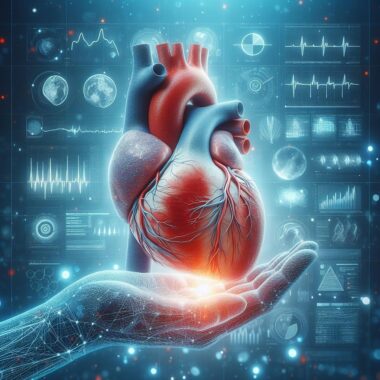
In today’s fitness landscape, technology plays a vital role in enhancing cardiovascular training. Wearable devices such as smartwatches and fitness trackers have revolutionized how individuals monitor their heart rates, track workouts, and assess recovery times. Utilizing this technology allows individuals to set personalized goals and measure progress effectively. Using heart rate data, users can determine their optimal training zones, ensuring they work at suitable intensities to maximize cardiovascular benefits. By keeping track of metrics like calories burned, steps taken, and distances covered, users can stay motivated and accountable. Moreover, many devices come with accompanying apps that provide detailed analytics, offering insights into performance trends and suggesting areas for improvement. This data-driven approach not only helps in refining training regimens but also helps users to stay focused on their fitness journeys. This fusion of technology and fitness creates a pathway to better heart health and endurance levels. As the industry continuously innovates, new applications emerge, laying down the future landscape of cardiovascular training. Embracing such advancements leads to improved performance outcomes in athletic and general populations alike.
Fitness enthusiasts often face challenges in maintaining motivation and adhering to training schedules. Social media platforms and mobile apps now serve as powerful tools in this regard, creating communities where users can share their experiences and achievements. Engaging with others increases accountability and willpower, urging individuals to stick to their training plans. Furthermore, online challenges and leaderboards foster a sense of competition. This competitive spirit can drive improvements that traditional training methods may lack. Many applications allow users to log their workouts, share achievements, and encourage friends, turning individual workouts into shared experiences. Virtual groups and challenges can enable even the most reserved individuals to find their place in an encouraging environment. This psychological support fosters an ongoing commitment, leading to more significant cardiovascular fitness gains over time. Additionally, some platforms leverage gamification techniques, transforming tedious workouts into enjoyable activities. Feeling a sense of accomplishment upon meeting targets can enhance adherence to training regimens. In fusion with wearable technologies, these platforms create a holistic approach to cardiovascular fitness, motivating individuals to push beyond their limits while tracking their performance metrics closely.
Integrating Artificial Intelligence in Training
The rise of artificial intelligence (AI) is giving athletes an edge in optimizing cardiovascular training. Personalized workout plans powered by AI can analyze an individual’s performance data to create specialized routines tailored to specific fitness levels. By continuously adjusting these plans based on ongoing performance metrics, athletes can consistently challenge themselves and avoid plateaus. Machine learning algorithms can provide real-time feedback, ensuring that the training intensity and volume remain aligned with the athlete’s evolving capabilities. Moreover, AI-enabled applications can identify patterns that may hinder progress or indicate the risk of injury. This proactive feedback allows athletes to focus on areas requiring attention. Furthermore, experts claim that utilizing AI-driven coaching can enhance mental resilience as customized training reduces feelings of boredom or frustration. With fresh insights and alternative exercises suggested, athletes can discover new ways to engage with their training. Ultimately, integrating AI into cardiovascular regimes is not merely about crunching numbers; it is about creating a smarter and more sustainable approach to fitness. Executing this practice ensures users maintain optimal performance while tailoring fitness journeys unique to their personal goals.
The emergence of virtual reality (VR) in fitness is providing exciting opportunities for enhancing cardiovascular training experiences. Instead of monotonous routines, individuals can engage in immersive environments that simulate real-world activities. This not only makes workouts more enjoyable but also encourages extended participation. For instance, running through a vibrant forest or cycling alongside scenic countryside views can significantly elevate the workout experience. As users engage with these simulated environments, they can remain focused on their tasks, losing track of time and benefiting from longer fitness sessions. Furthermore, VR technology often incorporates gamification aspects, motivating users to set and reach goals while participating in dynamic and entertaining activities. These enhancements improve heart health while also catering to the psychological need for enjoyment in exercise. transition to virtual environments also assists individuals who may feel intimidated by conventional gyms or classes, fostering a sense of belonging. As technology evolves, the integration of immersive fitness experiences with cardiovascular training will likely become mainstream. Making workouts fun and interactive will go a long way toward encouraging participation in cardiovascular-loving individuals.
Impact of Mobile Applications on Training
The proliferation of mobile applications introduced a new era for cardiovascular training programs. From beginner to advanced users, these applications provide a wide range of functionalities that enrich the training experience. Users can access guided workouts, nutrition plans, and extensive libraries of exercises tailored to cardiovascular fitness. These resources empower individuals with the information needed to perform exercises correctly and safely. Many apps also incorporate social features that enable users to connect, compete, and share their journey for added motivation. This tailored experience not only enhances personal effectiveness but also contributes to cultivating a supportive exercise community. Additionally, many applications utilize voice-guided workouts that help users maintain proper form and pacing. Such auditory cues can be particularly useful in keeping up the momentum during long cardio sessions. The targeted guidance helps users remain focused on their objectives, minimizing distractions. The overall ease of accessibility and portability of mobile devices allows users to take their workouts anywhere. This level of convenience has become pivotal in maintaining long-term adherence to cardiovascular training routines, providing resources right at users’ fingertips.
As people become increasingly aware of the importance of cardiovascular fitness, technology continues to advance. Now, integrating profiles from health-tracking platforms allows users to gain insights into factors influencing overall fitness. These factors include sleep patterns, stress levels, and nutrition. By assessing how external variables impact training performance, individuals can make informed lifestyle adjustments to optimize their cardiovascular health. This holistic approach combines different aspects of well-being, encouraging users to maintain a balanced lifestyle. Moreover, users can learn from health data visualizations, allowing them to make sense of complex metrics more intuitively. With this complete overview of personal health, users are empowered to prioritize aspects that contribute to optimal cardiovascular fitness. This data-driven strategy provides motivation and a tangible grasp of overall health progress. It prompts individuals to take a proactive role in enhancing their long-term health outlook. As the future of cardiovascular training unfolds, harnessing this technology will be paramount in shaping prevention and rehabilitation strategies. Ultimately, embracing these advances ensures that focusing on cardiovascular fitness becomes a sustainable lifelong pursuit.
Future Trends in Cardiovascular Technology
The future of technology within cardiovascular training is promising, with continued innovations around health monitoring and personalized training. Anticipated advancements include enhanced biometric sensors capable of providing real-time data about the body’s response during exercise. For instance, more precise heart rate variability measurements can offer insights into fatigue and recovery status. Furthermore, researchers and technology developers are exploring wearable textiles embedded with smart sensors, making data collection more seamless and integrated. Users can look forward to advancements that align exercise science with daily routines, creating a more fluid and intuitive experience. As virtual coaching becomes mainstream, AI can take personal training to the next level, personalizing workouts based on individual responses to each session. This could foster heightened engagement and innovation in fitness culture, making achieving cardiovascular fitness goals more accessible and enjoyable for everyone. In summary, integrating evolving technologies into cardiovascular fitness will continue to deliver significant benefits, ensuring individuals can engage in productive workouts tailored to their unique needs. As we embrace these trends, sustainable fitness habits rooted in technology will redefine the landscape of exercise science.
In conclusion, the intersection of technology and cardiovascular training is shaping the fitness industry and offering a wealth of opportunities. Fitness enthusiasts and professionals can leverage the benefits of wearables, mobile applications, virtual environments, and AI-driven solutions for their workouts. This innovative integration allows for personalized experiences, enhanced accountability, and improved motivation to achieve cardiovascular health. As technology continues to evolve, staying informed about new advancements will be crucial for anyone serious about optimizing their fitness journey. By committing to exploring these tools, individuals not only improve their workouts but also contribute to a future where cardiovascular fitness is more attainable and enjoyable for all. Overall, embracing technology in training routines will lead to more informed choices, greater results, and ultimately, a healthier lifestyle. The future is bright for those looking to enhance cardiovascular training using technology as a foundation for success. Making informed decisions about exercise and health can lead to a life filled with vitality and energy. Thus, embracing this technological evolution is pivotal in our journeys toward better overall health.