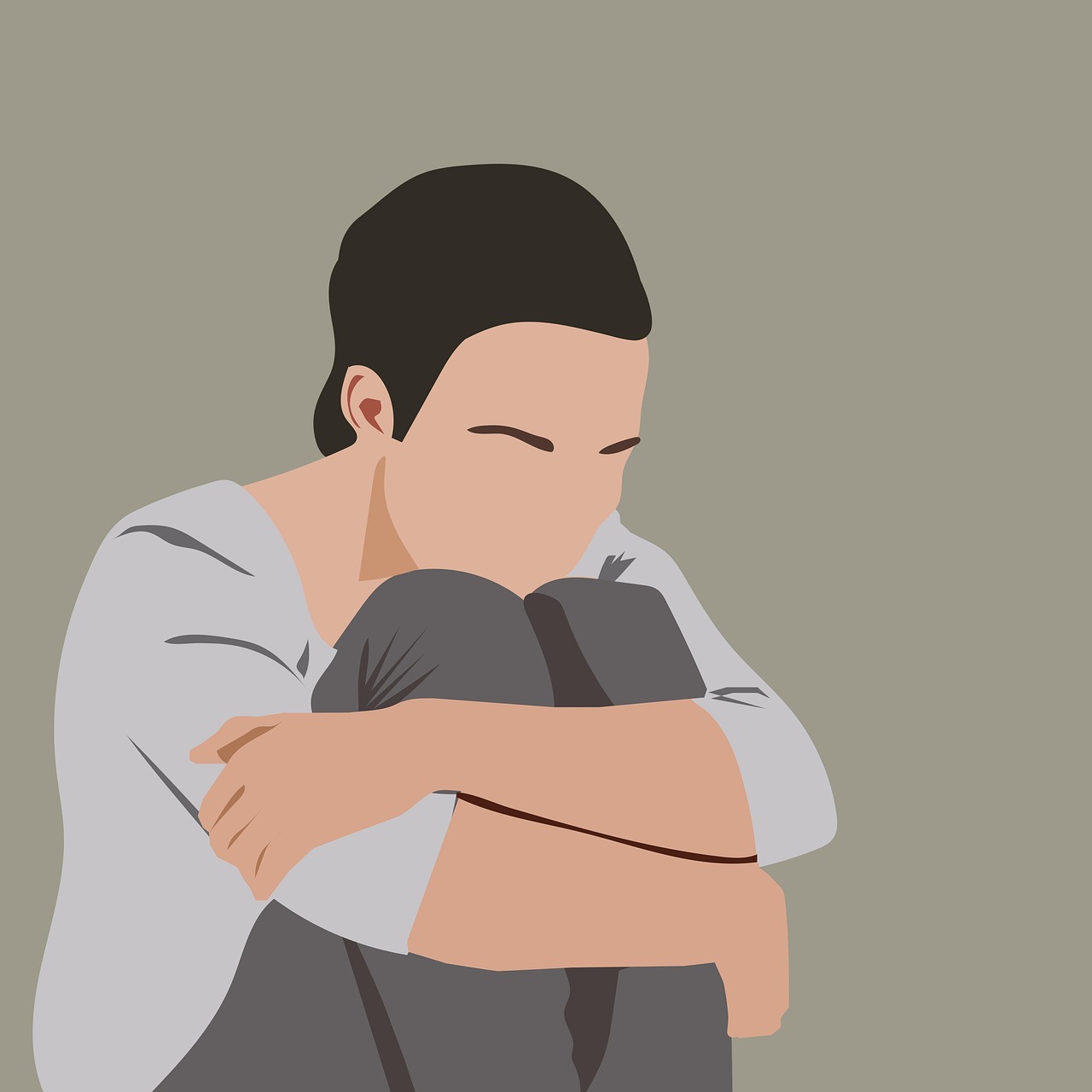

The Connection Between Anxiety, Depression, and Eating Disorders in Women
Eating disorders in women are often intertwined with mental health issues, particularly anxiety and depression. These conditions can create a vicious cycle where each exacerbates the other, leading to a deteriorating state of physical and psychological health. When a woman struggles with an eating disorder, symptoms of anxiety, such as excessive worry and fear, may increase. On the other hand, those who experience anxiety may develop eating disorders as a coping mechanism. Importantly, awareness regarding this relationship can lead to more effective interventions and support systems. Mental health professionals are increasingly recognizing the influence that anxiety can have on the development of eating disorders. For instance, social anxiety might predispose individuals to engage in restrictive eating to avoid judgment. Furthermore, the pressure of societal expectations can intensify feelings of inadequacy and hopelessness, potentially leading to increased disordered eating behaviors. Understanding this connection is crucial in addressing underlying issues rather than solely focusing on eating habits. By employing a holistic approach, both mental and physical health can be tackled simultaneously, ultimately fostering a more comprehensive recovery for women.
Eating disorders are complex and often arise from a combination of genetic, environmental, and sociocultural factors. Researchers have found that women are disproportionately affected by these disorders. Furthermore, disorders such as anorexia nervosa, bulimia nervosa, and binge eating are frequently linked with comorbid psychological disorders, including anxiety and depression. Many women experience persistent feelings of self-doubt, which can spiral into deeper anxiety and depressive states. The media profoundly impacts this dynamic, showcasing unrealistic body standards that many women strive to achieve. This unattainable ideal can contribute greatly to body dissatisfaction, which triggers disordered eating. The World Health Organization emphasizes the necessity for mental health support within the context of treating eating disorders. When women receive care that acknowledges both their physical symptoms and underlying mental health issues, the outcomes improve significantly. As such, advocates for women’s health argue for an integrated approach where treatment includes psychotherapy, nutritional therapy, and medications when necessary. This model not only treats the eating disorder but also the emotional turmoil that often accompanies it, paving the way for a healthier, more positive relationship with food and oneself.
Restoring a balanced mindset regarding food is essential for recovery. Therapy modalities, like cognitive-behavioral therapy (CBT), aim to challenge and change negative thought patterns associated with eating disorders. Women grappling with anxiety may benefit from CBT techniques that specifically target their fears around eating, weight gain, and self-esteem. The goal is to help them confront these fears rather than avoid them, leading to healthier relationships with food. Moreover, joining support groups can provide a sense of community and belonging, which is vital for emotional healing. Many women find solace among others who share similar experiences, ensuring they do not navigate their struggles alone. Support from loved ones also plays a crucial role; understanding friends and family can help those affected feel less isolated. Additionally, nutrition education aids in fostering a positive relationship with food, promoting balanced eating instead of restrictive dieting. As women progress in their recovery journey, they may begin to appreciate food as a source of nourishment and pleasure rather than a source of anxiety. Hence, the best outcomes arise from treatments that integrate emotional support with nutritional management for comprehensive healing.
Identifying Signs of Anxiety and Depression
Identifying signs of anxiety and depression is essential for early intervention in eating disorders. Often, these symptoms coexist with disordered eating behaviors, compounding the challenges faced by women. Common signs of anxiety include constant restlessness, irritability, and an overwhelming sense of fear regarding everyday activities. Similarly, depression manifests as persistent sadness, loss of interest, or feelings of helplessness. Recognizing these signs enables loved ones and healthcare providers to approach the situation sensitively. Women may hesitate to discuss their struggles out of fear or shame; therefore, fostering an open, nonjudgmental dialogue can encourage them to seek help. Moreover, family members can educate themselves about these mental health issues, enhancing their ability to recognize when a loved one is in distress. Being mindful of dietary changes, withdrawal from social engagements, or significant mood fluctuations can offer clues about underlying problems. If these red flags are noted, suggesting professional assistance can be crucial. It’s also beneficial to encourage women to express their feelings; this acknowledgment can alleviate some burdens and serve as a catalyst for recovery.
Furthermore, engaging in open conversations regarding mental health normalizes the struggle that many women face surrounding eating disorders. It’s important that these discussions include the role that anxiety and depression play, as they are often overlooked. Women may not initially connect their eating behaviors with their emotional states, leading to misdiagnoses and prolonged suffering. Educational programs about mental health should be integrated into school curriculums to foster understanding from a young age. Such initiatives can empower women to recognize their own feelings and behaviors, reducing stigma and encouraging them to seek help when needed. Employers also play a part in supporting female employees by promoting a healthy work-life balance. Many women experience anxiety in highly competitive environments, which can trigger unhealthy eating patterns as stress relief mechanisms. Acknowledging these factors in the workplace demonstrates awareness of mental health needs. Additionally, encouraging women to incorporate stress-relieving activities into their daily routines, such as yoga or mindfulness practices, can mitigate feelings of anxiety. Recognizing the interplay between anxiety, depression, and eating disorders is essential for fostering a supportive community dedicated to promoting women’s mental and physical wellness.
The Road to Recovery
Recovery from eating disorders is a multifaceted journey that requires commitment to both mental and physical health. Healing encompasses a comprehensive approach involving therapy, nutrition education, and support groups, which reinforce both emotional healing and nutritional adjustments. Acknowledging personal triggers for anxiety and depressive symptoms is vital along this road. Women need to identify their stressors and develop coping strategies to manage them effectively. This can include creating a routine that emphasizes self-care practices, such as mindfulness and exercise, ultimately reducing anxiety levels. Personalized treatment plans that align specific needs work best in recovery. Consulting healthcare providers who specialize in eating disorders can help tailor these plans accordingly. Additionally, family and friends should be encouraged to participate in treatment sessions; their involvement can provide a solid support base during recovery. Celebrating small milestones is also crucial, as recovery can be long and challenging. Each step towards a healthier relationship with food and oneself deserves recognition. When both mental and physical aspects are addressed, women can reclaim their lives from the grip of anxiety, depression, and eating disorders, creating a fulfilling existence beyond these struggles.
In conclusion, understanding the connection between anxiety, depression, and eating disorders in women is paramount in providing appropriate support and treatment. This complex relationship requires attention from both mental health professionals and society as a whole. By fostering awareness, we can create environments where women feel safe to express their struggles without fear of judgment. Early intervention is essential, as recognizing symptoms can lead to more effective treatment outcomes. Comprehensive recovery plans focusing on mental well-being alongside nutritional education should become the standard in treatment protocols. Societal pressures must also be addressed, dismantling unrealistic beauty standards that contribute to body dissatisfaction. Communities should work towards promoting acceptance of varied body types and a healthier relationship with food. Engaging in supportive dialogues about mental health encourages women to seek help rather than suffer quietly. Ultimately, the journey towards healing can cultivate resilience and self-acceptance. Women can emerge stronger, equipped with the tools to navigate life’s challenges, including anxiety and depression. A collective effort to address these issues can significantly reduce the prevalence of eating disorders, allowing women to live healthier, more balanced lives.
In conclusion, understanding the connection between anxiety, depression, and eating disorders in women is paramount in providing appropriate support and treatment. This complex relationship requires attention from both mental health professionals and society as a whole. By fostering awareness, we can create environments where women feel safe to express their struggles without fear of judgment. Early intervention is essential, as recognizing symptoms can lead to more effective treatment outcomes. Comprehensive recovery plans focusing on mental well-being alongside nutritional education should become the standard in treatment protocols. Societal pressures must also be addressed, dismantling unrealistic beauty standards that contribute to body dissatisfaction. Communities should work towards promoting acceptance of varied body types and a healthier relationship with food. Engaging in supportive dialogues about mental health encourages women to seek help rather than suffer quietly. Ultimately, the journey towards healing can cultivate resilience and self-acceptance. Women can emerge stronger, equipped with the tools to navigate life’s challenges, including anxiety and depression. A collective effort to address these issues can significantly reduce the prevalence of eating disorders, allowing women to live healthier, more balanced lives.