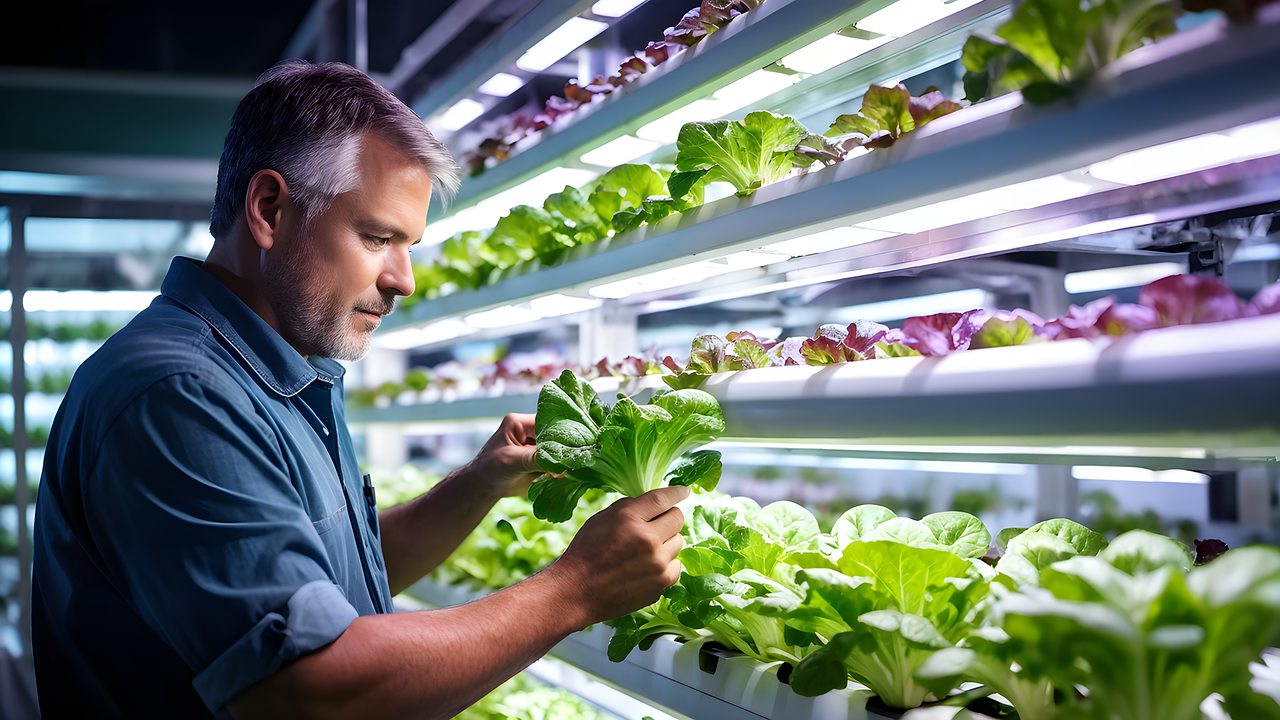

Organic Farming as a Tool for Sustainable Agriculture
Organic farming presents an effective approach for achieving sustainable agriculture, promoting environmental health, and reducing chemical dependence. It focuses on practices that enhance soil fertility, encourage biodiversity, and minimize pollution. By utilizing organic methods, farmers cultivate crops without synthetic chemicals, pesticides, or fertilizers. This ensures healthier produce, benefits ecosystems, and lessens harmful environmental impacts. Sustainable agriculture aims to meet the needs of the present while ensuring future generations can thrive. The incorporation of organic farming practices positively influences soil structure, promotes organic matter, and contributes to carbon sequestration. These benefits not only improve crop yields but also restore the balance in ecosystems affected by intensive farming. Organic farming enhances biodiversity, supporting various organisms and promoting natural pest control methods, reducing the need for commercial pesticides. Additionally, organic farming reduces greenhouse gas emissions, fighting climate change and working toward environmental resilience. By prioritizing community health and ecological stewardship, organic agriculture plays a vital role in the broader food system. Overall, it’s about nurturing the land we depend upon and ensuring a sustainable, healthier agricultural framework for both present and future generations.
Organic farming significantly improves soil health and water conservation, fostering a sustainable agricultural framework. Healthy soil is rich in nutrients, promotes water retention, and serves as a foundation for robust plant growth. By focusing on restoring soil quality via composting, crop rotations, and cover crops, organic farmers contribute to long-term sustainability. These practices enrich the soil, minimize erosion, and prevent declining fertility, essential components for ongoing agricultural productivity. In addition, the implementation of water conservation practices in organic farming systems enhances efficiency, reduces runoff, and ensures sustainable water management. Techniques like mulching, drip irrigation, and contour farming further protect against water scarcity, especially in regions facing droughts. Organic farming reduces reliance on chemical inputs, which can be harmful to both soil and groundwater. As organic farmers utilize natural fertilizers and pest control methods, they promote the overall health of the ecosystem. This holistic approach not only safeguards the environment but also supports communities, fostering a renewed appreciation for local agricultural practices. Moreover, organic produce often fetches higher market prices, benefitting farmers and promoting rural economic sustainability.
The Role of Biodiversity in Organic Farming
Biodiversity plays an essential role in organic farming, contributing to ecosystem resilience and sustainable agriculture. Diverse crop varieties and animal breeds enhance ecological balance and increase resistance to pests and diseases. By cultivating multiple species, organic farmers reduce the risk of crop failure due to adverse conditions, whether environmental or biological. Moreover, increased biodiversity promotes healthier ecosystems, enabling natural pest control and reducing dependence on chemical interventions. Pollinators, such as bees and butterflies, thrive in biodiverse landscapes, crucial for crop pollination and ensuring food security. Organic farming practices encourage habitats for these beneficial organisms, fostering their populations. Additionally, intercropping and agroforestry practices practiced in organic farms support biodiversity by integrating trees, perennial plants, and annual crops. These practices yield environmental benefits, such as improved soil quality and reduced erosion. Furthermore, diverse ecosystems are better equipped to adapt to climate change threats, ensuring agricultural productivity. Nurturing biodiversity within organic systems has profound implications for sustainable agriculture, underlying the need for conservation efforts. Innovative scientific research further emphasizes this role, guiding the development of policies that promote biodiversity-friendly agricultural practices and preempt potential crises.
Organic farming also emphasizes the importance of sustainable pest management, which is critical for maintaining ecological balance. Conventional agricultural practices often rely on synthetic pesticides, contributing to soil and water contamination and harming non-target species, including beneficial insects. In contrast, organic farmers employ an integrated pest management (IPM) approach to control pests while minimizing environmental impacts. This strategy combines various methods, including biological control, cultural practices, and mechanical controls. The use of natural predators and parasites to manage pest populations is a cornerstone of organic farming. For instance, releasing ladybugs in fields helps control aphid populations, demonstrating the effectiveness of non-chemical methods. Additionally, crop rotation disrupts pest life cycles and helps manage diseases, resulting in healthier crops. Organic farming encourages the use of plant-based repellents and organic-approved pesticides only when necessary, prioritizing animal and human health. Improved pest management can lead to higher crop yields and lower production costs over time, benefiting farmers economically. Furthermore, better pest management results in healthier ecosystems, making organic farming a vital part of the sustainable agriculture movement, addressing pressing environmental challenges that modern agriculture faces.
Community and Economic Benefits of Organic Farming
Organic farming offers numerous community and economic benefits, fostering local economies and enhancing food security. By prioritizing local produce, organic farmers contribute to the development of vibrant food systems that support regional economic growth. Community-supported agriculture models bridge the gap between consumers and farmers, allowing individuals to invest directly in local food production. This not only provides financial support for farmers but also creates a stronger connection between consumers and their food sources. People are more likely to appreciate the efforts and practices of those who cultivate their food, thus promoting consumption of organic products. Additionally, job creation within organic farming boosts rural economies, providing employment opportunities in agriculture and related sectors. Organic farming also encourages community vitality through educational outreach programs, teaching sustainable practices and food awareness. Educating the public about the merits of organic farming nurtures a culture of sustainability. Furthermore, as consumers increasingly demand organic and locally-sourced products, farmers can attain fair prices for their crops, enhancing their livelihoods. In turn, healthier food choices contribute to improved public health, reinforcing the significance of organic farming in promoting community well-being.
Challenges still face organic farming as it experiences growth within sustainable agriculture. While the demand for organic products surges, ensuring sufficient supply remains a priority. Factors such as inconsistent crop yields, higher production costs, and limited availability of organic seeds present hurdles for farmers. Transitioning from conventional to organic farming requires time, resources, and commitment. Farmers must also navigate certification processes to meet organic standards, which can be costly and time-consuming. Additionally, education on sustainable practices and organic farming techniques is essential for producing skilled farmers. Increased resources, training, and mentorship opportunities play a critical role in fostering a robust organic farming community. Collaboration among stakeholders, including governments, NGOs, and agricultural organizations, is vital in addressing these challenges. Through developing policies that support organic farmers, society can encourage sustainable practices that target environmental concerns. In light of increasing climate variability, innovation and research must focus on developing resilient crop varieties. Organic farmers can use scientific advancements to mitigate the impacts of climate change, paving the way for sustainable agriculture’s evolution. Thus, overcoming these challenges will forge a resilient, vibrant organic farming sector to benefit future generations.
Conclusion: The Future of Organic Farming
The future of organic farming hinges on its ability to adapt and evolve amidst changing agricultural landscapes. As sustainability gains traction globally, organic farming is a critical component in addressing environmental concerns and ensuring food security. Enhancing practices through innovative technologies such as precision agriculture can improve efficiency, optimize resource use, and reduce waste. By promoting collaborations among farmers, businesses, and researchers, the organic sector can accelerate advancements in sustainable practices, strengthening its position in the market. Education plays a crucial role here, providing farmers with the tools and knowledge necessary to implement successful organic methods, thus influencing consumer choices positively. As public awareness of health and environmental benefits grows, consumers are seeking more locally-sourced organic products, promoting a sustainable food movement. Embracing regenerative agriculture principles within organic practices can further enhance soil health and biodiversity. As we move forward, stakeholders must prioritize policies that support organic practices, ensuring resilience and sustainability. This commitment will enable organic farming to flourish, benefiting the environment, public health, and future generations. Embracing organic farming as a vital tool for sustainable agriculture is imperative for navigating the challenges posed by climate change and meeting the needs of a growing population.
This is another paragraph with exactly 190 words…