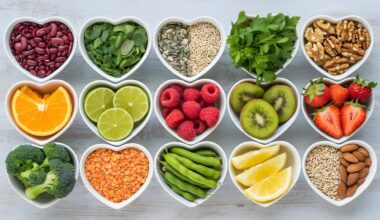

Incorporating Functional Foods into the Senior Diet
As seniors age, their nutritional needs evolve, often requiring a careful selection of foods that not only provide essential nutrients but also enhance health and well-being. Incorporating functional foods into the diets of seniors can significantly support their health. Functional foods are those that offer health benefits beyond basic nutrition and can include components like fiber, antioxidants, and omega-3 fatty acids. For example, foods such as berries, fatty fish, and whole grains have been shown to improve cognitive function and reduce the risk of chronic diseases. Additionally, the addition of probiotics through yogurts can aid in digestive health, which can often decline as individuals age. Seniors should consult with healthcare providers or registered dietitians to ensure they are making the right dietary decisions. A personalized approach can help seniors integrate these foods effectively. It’s crucial to consider not just the nutritional value of food but also its palatability and ease of preparation. By focusing on functional foods, seniors can achieve better health outcomes and improve their quality of life, making mealtime both enjoyable and beneficial.
Understanding the specific nutritional requirements of seniors is essential in creating a balanced diet that promotes health and longevity. Seniors are often more vulnerable to nutrient deficiencies, particularly in vitamins and minerals such as Vitamin D, calcium, and B12. Incorporating functional foods, such as fortified cereals and leafy greens, can help meet these needs effectively. These foods can provide additional health benefits, such as improving bone health, enhancing immunity, and preventing anemia. It’s also important for seniors to maintain adequate hydration, as thirst perception diminishes with age. Many functional drinks, such as coconut water or herbal teas, can contribute to overall fluid intake while also providing unique health benefits. Seniors should aim for a diverse diet that includes a variety of colorful fruits and vegetables, lean proteins, and whole grains to maximize nutrient intake. Furthermore, choosing organic options where possible can reduce exposure to harmful pesticides and chemicals. Grocery shopping with a list focused on functional foods can assist in making healthier choices. Adopting these practices can help seniors maintain energy levels and independence while enjoying flavorful and nutritious meals.
Benefits of Specific Functional Foods
Incorporating certain functional foods into the senior diet can lead to numerous health benefits. For instance, fruits and vegetables like blueberries and kale are rich in antioxidants and have anti-inflammatory properties that support heart health and cognitive function. Regular consumption of nuts, particularly walnuts, can provide omega-3 fatty acids, essential for brain health, as well as protein and fiber to promote overall nutrition. Whole grains, including oats and quinoa, offer fiber that aids in digestion and helps maintain stable blood sugar levels, which is crucial for seniors managing diabetes. Other beneficial functional foods include yogurt and kefir, which are excellent sources of probiotics that enhance gut health. Probiotics can reduce the incidence of gastrointestinal disorders, which are common among older adults. By integrating these foods into their daily diets, seniors can experience improved health outcomes. Meal planning can be an effective tool to ensure these foods are included regularly. Consulting with a dietitian may also provide additional insights into how best to incorporate these foods into enjoyable meals, leading to a more vibrant and healthful lifestyle.
Portion control and mindful eating are especially important for seniors when incorporating functional foods into their diets. Changes in metabolism and lower physical activity levels can alter calorie and nutrient needs. Seniors should focus on nutrient-dense foods that provide the most benefits without excessive calories. Eating smaller, more frequent meals may also help in managing weight and optimizing nutrient intake. Mindful eating encourages individuals to savor each bite, which can enhance satisfaction and decrease the likelihood of overeating. Some functional foods, such as avocados and fat-rich fish like salmon, provide healthy fats that are satiating and prevent hunger. Seniors may benefit from community resources or nutrition workshops that teach about portion sizes and healthy cooking methods. Many also find it helpful to involve family members or caregivers in meal planning and preparation to ensure meals are enjoyable and conducive to their health goals. By fostering an environment that encourages healthy eating habits, older adults can enjoy flavorful foods while meeting their functional dietary needs with confidence.
Challenges in Food Preparation
As seniors often face physical challenges affecting their ability to prepare meals, strategies for easier food preparation become vital. Functional foods offer an opportunity for easy-to-prepare meal options, but planning is essential. Pre-cut vegetables and ready-to-eat meals can save time and energy. Additionally, adopting slow cookers or air fryers can make it simpler to prepare nutritious meals without much effort. Canned and frozen fruits and vegetables are practical alternatives, allowing seniors to keep nutritious options on hand without worrying about spoilage. Another challenge is the taste and texture of food, which may change as individuals age. Foods that are softer or easier to chew can be more appealing and satisfying. Furthermore, incorporating herbs and spices may enhance flavor without the need for excessive salt, which can be detrimental to senior health. Communication with caregivers regarding preferred foods and textures is crucial in fostering a positive eating experience. Ultimately, adapting food preparation methods to be simpler yet nutritious enables seniors to benefit from functional foods while overcoming any cooking barriers they may face.
Social engagement during mealtime can significantly enhance the dining experience for seniors. Sharing meals with family or friends not only provides nutritional benefits but can also improve mental health and emotional well-being. Functional foods can be incorporated into communal meals to promote health while encouraging social interaction. Hosting cooking classes or nutrition workshops in community centers surrounding senior citizens can build camaraderie and educate participants on the importance of healthy eating. Meal programs in senior living communities often emphasize the inclusion of functional foods in their menus, thus promoting better health through communal dining experiences. Even virtual gatherings can be a fun way to share recipes and cooking techniques, especially in today’s digital age. Offering virtual cooking demonstrations featuring functional foods can inspire seniors to try new recipes and improve their cooking skills. Engaging with others around food can create a sense of belonging and joy, which is crucial as seniors often deal with loneliness. By fostering these social connections over meals, seniors can not only enjoy nutritious lunches or dinners but also create cherished memories and bonds.
Final Thoughts on Functional Foods
In conclusion, integrating functional foods into the senior diet addresses specific nutritional needs while promoting overall health. As seniors face unique dietary challenges, understanding the benefits of these foods is essential for maintaining vitality and wellness. By selecting nutrient-dense options, ensuring ease of preparation, and encouraging social engagement during meals, seniors can thrive. It’s crucial for seniors and their caregivers to remain informed about nutrition and to seek support when needed. Professional guidance from dietitians can help tailor diets to meet individual needs and preferences. Family involvement in meal preparation encourages variety and allows days to be filled with flavorful meals that are both enjoyable and healthful. As functional foods become a larger part of the diet, seniors will not just maintain but enhance their quality of life. Simple changes to diet can lead to significant health improvements. Staying proactive in making food choices reinforces the importance of maintaining health as we age. By embracing these strategies, seniors can enjoy prolonged vitality and better overall health well into their later years.
8