
How to Safely Perform Deadlifts: Tips and Guidelines
Deadlifts are essential in strength training, yet improper techniques can lead to injuries. Understanding the foundational elements of maintaining proper form is crucial. Before you attempt a deadlift, ensure you are warmed up correctly. Begin with basic stretches focusing on the hip flexors, hamstrings, and lower back. This practice prepares your muscles and enhances flexibility, minimizing injury risks. Equally important is your choice of footwear. Opt for a stable shoe that provides solid ground contact, reducing the chances of slipping during the lift. Lastly, ensure that your training area is clear of any distractions or obstacles. Creating a focused environment contributes significantly to your performance and safety.
Proper Form Techniques
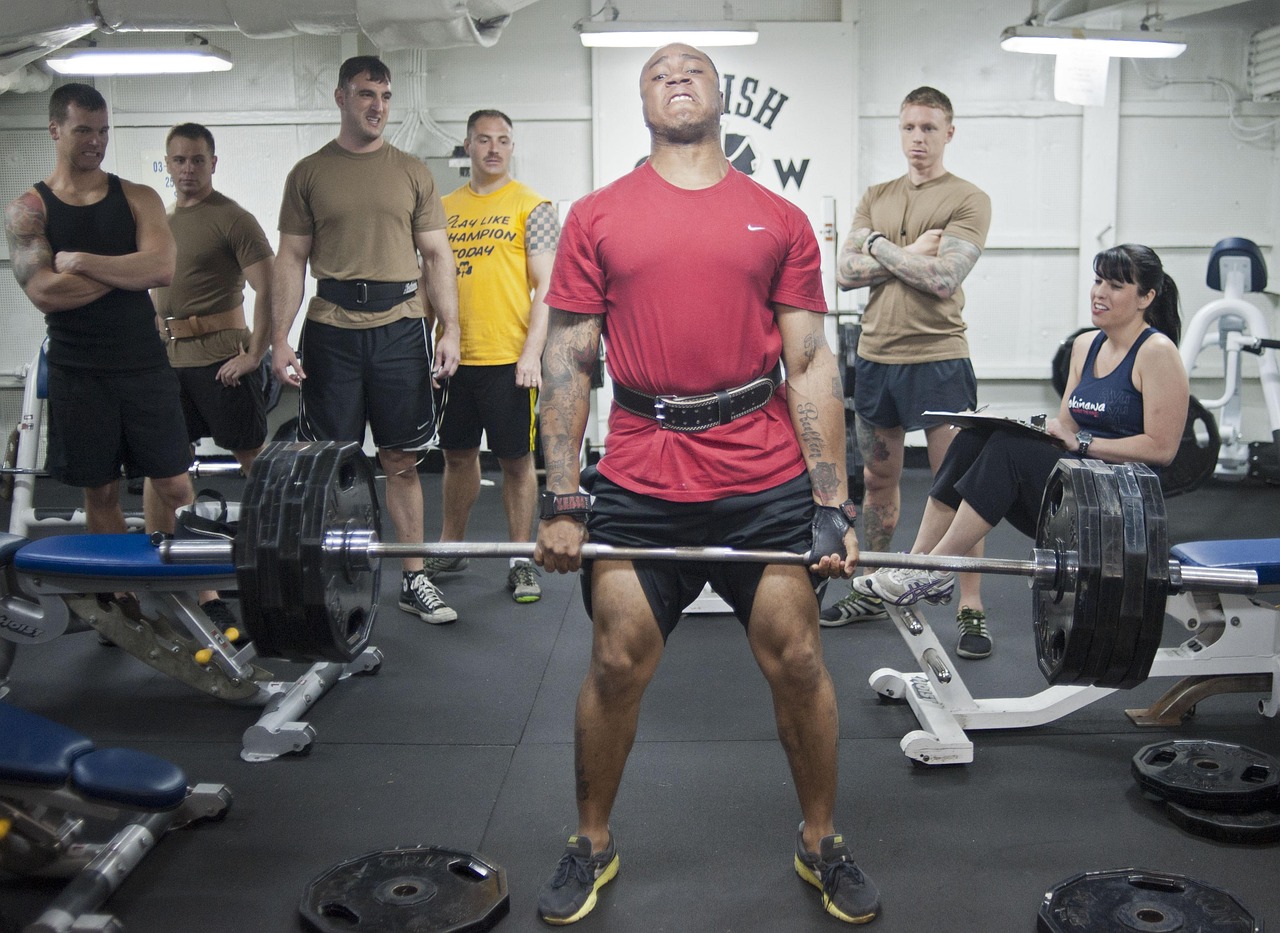
When executing a deadlift, the alignment of your body plays a vital role. Keep your feet shoulder-width apart, ensuring your weight is evenly distributed. Your grip should be just outside your knees, and as you descend, maintain a straight back to avoid strain. Engage your core muscles throughout the lift to stabilize your spine. As you lift the weight, drive through your heels to utilize your leg muscles effectively, maintaining the straightness of your back. Additionally, avoid jerking or rapid movements, as this increases the injury risk. Aim for a controlled, steady motion, ensuring that you breathe properly throughout the lift.
Monitoring your progress through regular assessments is key to ensuring you are on the right track. Keep a training journal documenting your lifts, adjustable weights, and personal reflections on each session. Doing this not only tracks improvements but helps identify any form deficiencies encountered during lifts. If uncertain about your technique, consider recording yourself while lifting to analyze your posture and motion. Feedback is essential; consider working with a personal trainer or experienced lifter who can provide insights into improving form. This external perspective is invaluable for maintaining safety during workouts, informing you where you can enhance strength and technique.
Listening to Your Body
One of the most important safety tips when lifting weights is the principle of listening to your body. Never push through pain during a deadlift; instead, recognize when something feels off. If you experience discomfort or unusual pain, it might indicate improper technique or the need for rest. Make adjustments to ensure you are lifting in a safe range. Gradual progression is crucial, meaning you should not rush into heavy weights without building a solid strength foundation. Progressing at your own pace allows your body to adapt and strengthens stabilizing muscles around your joints.
The engagement of your core muscles cannot be understated, especially during deadlifts. Strengthening your core dramatically decreases the risk of injury while providing support to your lower back. Incorporate exercises like planks, bridges, and abdominal crunches into your fitness routine. These activities enhance the muscular strength necessary for a safe and effective deadlift. Also, integrating flexibility work, such as yoga or dedicated stretching sessions, is beneficial. Improved flexibility in your legs and lower back can significantly improve your lift performance. Combining strength with flexibility creates a balanced fitness approach necessary for safe lifting.
Safety Gear and Equipment
Appropriate gear plays an essential role in deadlift safety. Using a lifting belt can help stabilize your core, especially when lifting heavierweights. The belt provides abdominal support, minimizing the risk of lower back strain. Besides belts, consider using lifting straps for better grip on the bar. This equipment is particularly useful if your grip is a limiting factor during heavy lifts. Always inspect your gear and environment before lifting, ensuring your equipment is in good condition. Don’t hesitate to invest in quality shoes designed for weightlifting to enhance stability and performance.
Finally, make sure to cool down after each training session. Performing static stretches post-workout helps relax your muscles and kickstarts recovery. Focus particularly on areas worked during your deadlifts, such as the hamstrings and lower back. Additionally, hydrate adequately throughout your training to ensure that your body recovers efficiently. Adequate nutrition also supports muscle recovery and growth, promoting overall strength development. Taking these final steps after your workout routine can significantly contribute to your safety and performance in future sessions, ensuring continuous progress.
Ensure that you engage in regular training and practice for lifelong beneficial habits. Consistently applying these tips will lead to improved performance while guaranteeing safety, allowing you to reap the benefits of deadlifts effectively. Learn from others and share experiences as engaging with the fitness community builds motivation and accountability. Stay informed on best practices, integrating new knowledge and techniques into your regimen. With commitment and mindful practices, you will not only conquer deadlifts but also enjoy a broad range of benefits throughout your fitness journey.