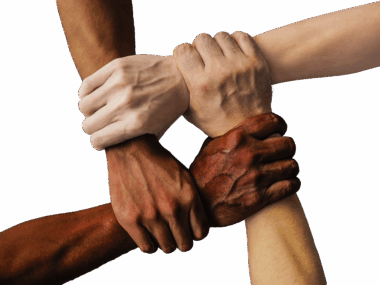

From Solo to Social: Transitioning to Group Strength Training Sessions
Transitioning from solo strength training to group sessions can seem intimidating. It often brings feelings of vulnerability, as you may question your abilities compared to others. However, joining a fitness community can bring numerous benefits that greatly enhance your workouts. First, being part of a group fosters accountability. When you commit to attending sessions together, you are less likely to skip workouts, as your peers motivate you. This shared responsibility boosts consistency, leading to better results. Additionally, social interaction promotes mental health and can significantly improve your overall experience. Feeling connected to others can make workouts more enjoyable, reducing stress and improving your emotional state. Furthermore, you can learn exercise techniques from trainers or fellow participants who may have more experience. Watching others perform exercises allows you to see variations and correct your own form, ensuring safety. Lastly, group strength training can create a sense of belonging, which is vital for long-term lifestyle changes. By supporting one another, you develop friendships that extend beyond the gym, creating a more satisfying fitness journey.
Another significant advantage of group strength training sessions is access to expert instruction. Many group classes are led by certified trainers who have the knowledge and skills to guide you through safe and effective workouts. These trainers can tailor sessions to accommodate different fitness levels, ensuring that everyone is challenged appropriately. Having an experienced instructor means you can receive real-time feedback, which helps improve your form and prevents injury. The camaraderie in group settings encourages participants to push themselves further than they might alone. This collective motivation can lead to unexpected physical and mental breakthroughs as you witness others attaining similar goals. Group energy often results in heightened enthusiasm, making even the toughest workouts feel more manageable. As you progress together, celebrating each other’s achievements fosters unity and support within the group. The social dynamics of shared struggles and successes strengthen bonds among participants, encouraging a lasting fitness community. Finally, participating in a group setting can introduce you to new training styles and techniques that you might not have tried before. This variety keeps workouts fresh and exciting, preventing plateaus in your fitness journey.
Building a Supportive Environment
Moreover, group strength training builds a supportive environment where individuals can thrive. When joining a class, you enter a space filled with like-minded individuals aiming to improve their health and fitness. This collaboration cultivates a sense of belonging, often making newcomers feel more welcome and less intimidated. As you train alongside others, you build relationships that foster encouragement, leading to greater overall satisfaction. The bonds created in group settings help reinforce your commitment to your fitness goals. You may find friends who share similar objectives, making your workout more enjoyable and less of a chore. Additionally, sharing challenges and triumphs together creates an empowering atmosphere. When faced with setbacks, it’s beneficial to have peers who understand your struggles and offer support. This mutual encouragement is invaluable during difficult phases of your fitness journey. It is easier to stay motivated and push through tough days when you have an entire community cheering you on. Therefore, the communal effort in group strength training can accelerate your progress, giving you the strength and resilience needed to push past obstacles.
Moreover, group strength training sessions often incorporate a variety of exercises that cater to collective goals. This diversity helps prevent boredom and keeps your workouts interesting. Different session formats, such as circuit training or themed classes, promote endurance and strength in unique ways. You may experience new workouts that target various muscle groups, challenging your body and mind differently each time. Additionally, trying out new movements in a supportive atmosphere gives you the confidence to expand your fitness repertoire. Alongside diverse training styles, group classes often encourage friendly competition, which can motivate participants to push harder. When you see peers lifting heavier weights or achieving more reps, it can spark that competitive spirit within you. Embracing this challenge can lead to monumental improvements in your overall strength and performance. Ultimately, the shared experiences of laughter, struggles, and successes in group sessions can create lasting memories, making your fitness journey more fulfilling. You may find yourself looking forward to workouts instead of dreading them due to the connections formed within the community. This positive mindset shift is vital for sustaining long-term fitness goals.
Embracing the Transformation
As you transition to group strength training sessions, embracing the transformation is crucial for success. Adjusting to a new fitness environment may present some initial discomfort, but recognizing this is part of the growth process can help. Accept that every participant, no matter their level, once shared similar feelings when beginning their journey. Give yourself permission to feel nervous but focus on pushing through these emotions for personal improvement. This growth mindset fosters resilience, allowing you to learn from setbacks and challenges. Over time, you’ll notice significant personal growth, both physically and mentally. As you progress, celebrate your achievements, no matter how small they may seem. Recognizing milestones helps maintain motivation and promotes a positive attitude towards your fitness journey. Being in a group can provide a platform for discussing challenges, sharing techniques, and supporting one another on individual paths. Your comfort will increase as you become accustomed to the routines, exercises, and group dynamics. Eventually, you’ll see yourself becoming an integral part of the community, revitalizing your passion for strength training and healthy living.
In conclusion, transitioning to group strength training sessions offers myriad benefits that significantly elevate your fitness experience. The camaraderie, support, and knowledge available when you train with others can lead to remarkable progress. Whether you seek accountability, expert instruction, or the rejuvenating energy found in group settings, participating in strength training with others provides an enriching experience. As you embark on this journey, remember the importance of building connections with those you train alongside. These relationships can become a powerful source of motivation and encouragement. Your fitness journey will likely transform as you face challenges together, celebrate victories, and learn from one another throughout the process. Always remember to focus on the fun aspects of training, allowing those moments to shine through in shared laughter and stories. By embracing the social aspects of fitness, you’ll not only improve your physical health but also foster mental well-being. So, take the leap and make the transition to group strength training today, unlocking your full potential and embodying the benefits of a supportive community.
Getting Started with Group Training
To get started, research local gyms or fitness studios that offer group strength training classes. Consider trial classes to find the right fit for your style. Look for sessions designed for your fitness level, as instructors often accommodate everyone from beginners to advanced participants. Once you’ve found a suitable class, set a schedule and stay committed to attending regularly. Pack your training bag ahead of time to reduce any last-minute excuses and plan your meals to fuel proper workouts. Prioritize hydration before, during, and after sessions to support optimal performance. When entering a new class, arrive early to introduce yourself, meet participants and become familiar with the instructor. Focus on enjoying the process and making connections with your fellow participants. Remember that it’s entirely normal to feel self-conscious during your first few sessions. Each individual has their journey, and everyone’s skills will expand as they become more comfortable. Embrace the spirit of camaraderie and forge connections that could lead to lasting friendships. Keep challenging yourself, and remember to celebrate your progress as you grow together within the strength training community.
Finally, do not hesitate to seek out resources that offer additional support as you transition to group training. Many fitness communities have online forums or social media groups where members share advice, victories, and challenges. Engaging on these platforms can provide encouragement and increase your social connections outside of regular workouts. Look for community events or workshops to participate in, which can foster further relationship development among group members. Attending these events provides opportunities to learn new skills or deepen your existing knowledge of fitness. Always remain open-minded about different training approaches and methodologies, as they can introduce you to innovative ways of enhancing your strength training routine. Keeping communication open with fellow participants can lead to feedback that refines your techniques. As you adapt to group training, consistently evaluate your growth and define new goals to keep yourself motivated. Your fitness journey is a dynamic process that flourishes through exploration and collaboration. By immersing yourself in a group strength training environment, you’ll find that you not only build strength but also cultivate valuable relationships that enrich your life.