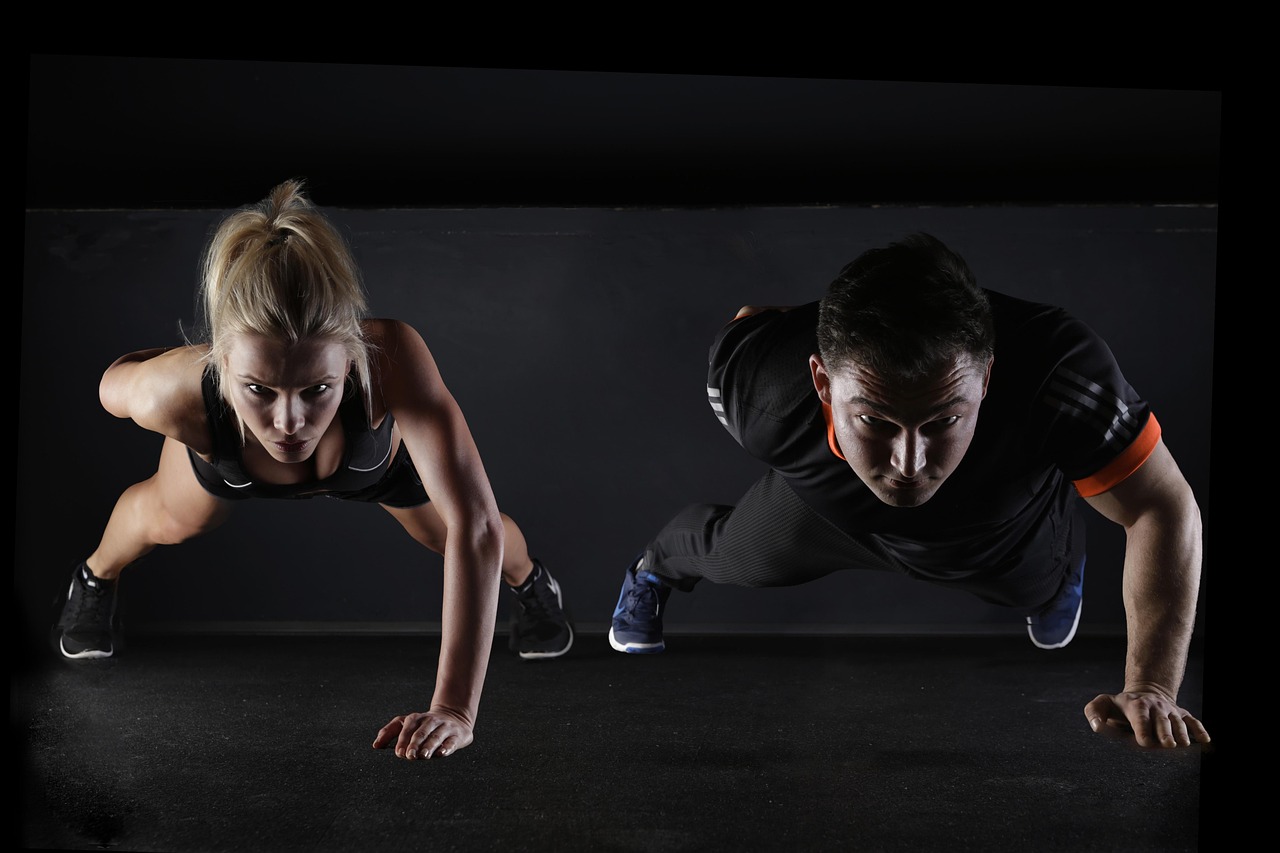

Enhance Muscle Endurance with Bodyweight Workouts
Bodyweight exercises are an excellent method to improve muscle endurance, as they rely solely on the individual’s body weight for resistance. Unlike free weights or machines, bodyweight training can be performed anywhere, making it versatile and accessible. Incorporating this training modality promotes not only strength but also stability, coordination, and flexibility. By engaging multiple muscle groups simultaneously, bodyweight workouts allow for more functional fitness adaptations. Moreover, these exercises can be easily modified to accommodate various fitness levels. Individuals who consistently engage in bodyweight training notice improved performances in both everyday activities and competitive sports. Additionally, this training type fosters mental resilience, as it often requires determination and perseverance. Regular practice of these exercises encourages an increased muscle endurance, enabling individuals to perform longer and with less fatigue. As one’s body adapts, increasing the intensity and duration of workouts becomes feasible, further enhancing endurance capabilities. For anyone seeking to build stamina while avoiding excessive muscle strain, bodyweight training presents an exceptional solution. In conclusion, integrating bodyweight exercises into a regular routine is beneficial for improving overall fitness and muscle endurance.
One of the standout benefits of bodyweight training is the ability to develop a robust core, essential for athletic performance. A strong core influences balance, stability, and power in various movements and athletic activities. Exercises such as planks, mountain climbers, and leg raises effectively target core muscles while simultaneously engaging other muscle groups. This integration allows for efficient multi-tasking during workouts. Moreover, as participants progress with these exercises, they can challenge the core with more complex movements or variations. Adding dynamic elements such as jumping or twisting can increase the intensity, leading to greater strength gains. The focus on core stability during bodyweight workouts also translates to improved posture and reduced injury risks. Enhanced posture can positively affect overall health while boosting confidence during various exercises. Furthermore, engaging in bodyweight workouts requires minimal equipment, providing an affordable and convenient option for many individuals. Whether performed at home, in a park, or during a gym session, they can easily fit into a busy schedule. Ultimately, developing a strong core through bodyweight training supports various fitness goals, fostering both strength and athleticism.
Bodyweight exercises inherently encourage functional fitness, improving everyday movements and sports performance over time. These exercises mimic movements that replicate real-life activities, leading to better overall fitness. The incorporation of push-ups, squats, lunges, and pull-ups actively promotes improved muscle endurance and strength through functional movement patterns. As individuals engage in these exercises, they become more adept at performing tasks like lifting, carrying, or climbing, ultimately enhancing daily life. Furthermore, achieving enhanced muscle endurance allows individuals to engage in activities for more extended periods without fatigue. Sports enthusiasts benefit significantly from improved muscle endurance since many athletic activities heavily rely on core strength and stability. Bodyweight workouts can also stimulate muscle growth by increasing resistance and intensity over time. With this training approach, individuals can incorporate progressive overload—the principle that a gradual increase in intensity leads to strength gains and muscle endurance improvements. As individuals become more proficient with bodyweight movements, they can create diverse workouts that challenge the body in new ways. Hence, embracing functional fitness through bodyweight training not only improves strength and endurance but also contributes to better functionality and quality of life.
The Accessibility of Bodyweight Exercises
The accessibility of bodyweight exercises is another advantage that attracts fitness enthusiasts. These workouts require minimal to no equipment, making them highly convenient and cost-effective. Individuals can easily adapt and modify exercises to suit their comfort levels, promoting an inclusive fitness environment. This adaptability caters to a wide range of fitness levels, from beginners to advanced athletes. Furthermore, the versatility of bodyweight training allows individuals to perform workouts in varying environments—be it at home, in the gym, or outdoors. This flexibility encourages more people to engage in physical activity and maintain a consistent workout routine, contributing to overall better health. It also empowers individuals to utilize their surroundings creatively as workout tools. For instance, utilizing a park bench for tricep dips or a wall for inclined push-ups enhances the workout experience. Additionally, bodyweight exercises can be easily integrated into high-intensity interval training (HIIT) routines, making them efficient for burning calories while improving endurance. The excitement of exploring diverse bodyweight movements often leads to increased enjoyment of fitness as well. In conclusion, the accessibility of bodyweight training helps many individuals embrace physical activity, supporting enhanced muscle endurance.
The efficiency of bodyweight workouts is noteworthy, enabling individuals to achieve substantial results in shorter timeframes. These workouts often combine cardiovascular conditioning and strength training, leading to improved muscle endurance and overall fitness. With exercises like burpees, jump squats, and push-up variations, individuals can push their limits and maximize their workout potential. Incorporating circuits or supersets into bodyweight training can intensify workouts, enhancing calorie expenditure while supporting endurance development. Moreover, these workouts can easily be scaled for time-pressed individuals, making it feasible to fit physical activity into busy lifestyles. Short, effective sessions become more appealing when endurance improvements become evident over time. Regular participation in bodyweight activities keeps the body engaged, translating to greater motivation and adherence to fitness goals. Recognizing and celebrating progress in endurance can serve as additional motivation for individuals. Bodyweight workouts can also help foster a sense of community as they can be performed in group settings or classes. This social aspect further encourages adherence to being active. Ultimately, the efficiency of bodyweight training promotes an avenue for achieving muscle endurance while making fitness enjoyable and accessible for a broader audience.
Feedback from bodyweight training emphasizes the importance of building endurance in multiple muscle groups. Engaging different muscles during workouts cultivates balanced strength, ultimately reducing the risk of injury. Bodyweight exercises promote not only muscle endurance but also improve joint stability and mobility throughout the body. By focusing on harmonious muscle group engagement during workouts, individuals can effectively train for better overall health. Engaging in diverse movements encourages muscle coordination and control, making everyday tasks more manageable. Likewise, improved endurance aids in performing high-energy activities, such as competitive sports or dynamic hobbies. Moreover, integrating stretching and mobility exercises alongside bodyweight routines promotes flexibility, further enhancing physical capabilities. By improving range of motion around joints, individuals can enhance their performance across various workouts. Furthermore, mobility training can positively impact post-workout recovery, potentially improving muscle endurance for future sessions. The synergy between endurance, flexibility, and strength builds a strong foundation for overall fitness. Engaging in a well-rounded bodyweight regime thus encourages sustainable health habits that contribute to longevity and wellness. In conclusion, the impact of bodyweight exercise on muscle endurance is multifaceted, affecting various aspects of physical well-being.
Conclusion: Embracing Bodyweight Training
In summary, bodyweight training serves as a powerful tool for improving muscle endurance and overall physical fitness. The ease and convenience of these workouts make them accessible to a diverse audience, promoting active lifestyles. As individuals incorporate bodyweight exercises into their routines, they not only enhance their muscle endurance but also develop critical skills like coordination, balance, and flexibility. The various benefits of bodyweight workouts create a more enjoyable fitness experience, encouraging long-term adherence to active habits. Furthermore, the adaptability of these exercises allows for progression over time, ensuring varied and challenging workouts. Moreover, improvements in muscle endurance directly lead to better overall health outcomes, enhancing both physical and mental well-being. Encouraging more individuals to embrace bodyweight training supports the development of healthier, more resilient communities. By recognizing the crucial role that muscle endurance plays in overall physical performance, individuals can commit to a consistent regimen of bodyweight exercises. It is essential for anyone looking to enhance their quality of life while achieving their fitness aspirations. Ultimately, bodyweight training is a sustainable and effective approach that empowers individuals toward realizing their long-term fitness goals.
By incorporating these elements into regular training, individuals can maximize their muscle endurance gains, making bodyweight workouts a foundational aspect of fitness and health strategies.