
Can Pregnant Women Safely Do Core Strengthening Exercises?
Core strengthening exercises are vital during pregnancy for various reasons, such as improving posture and stability. It can alleviate some common discomforts associated with pregnancy, like back pain. Strengthening the core can also facilitate proper alignment of the pelvis and spine, providing a foundation for a healthier pregnancy. When done correctly, these exercises may enhance muscle endurance, which can prove beneficial during labor. Always consult a healthcare provider before starting any rotation of core exercises during pregnancy for safety. Pregnant women must ensure that the movements are gentle and modified appropriately for their changing bodies. It is important to listen to one’s body for cues indicating when to stop or adjust the routine. Each pregnancy varies, and what works for one person may not be suitable for another. Hence, professional guidance is crucial. Ideally, core exercises should focus on the pelvic floor, abdominals, and lower back while minimizing strain. Adhering to a tailored exercise approach can help mothers maintain wellness throughout their pregnancy journey.
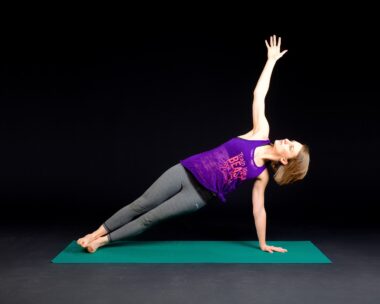
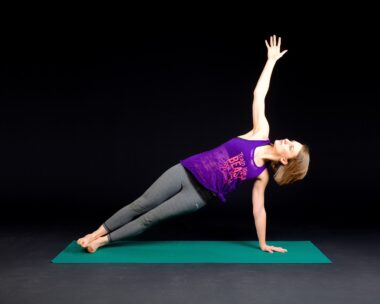
The benefits of core exercises during pregnancy cannot be overstated. They contribute to better balance and coordination, which is particularly necessary as a pregnant woman’s center of gravity shifts. Engaging in core workouts can alleviate pressure on the lower back, an area that often bears the brunt of weight gain from pregnancy. Moreover, strong core muscles facilitate easier movements, such as sitting and standing up from different positions. The pelvic floor muscles, part of the core, also benefit from targeted strengthening, which aids in preventing complications such as urinary incontinence postpartum. Additionally, a strong core can support the growing uterus, reducing the risk of discomfort. Expectant mothers should familiarize themselves with safe exercises, such as pelvic tilts, modified planks, or bridges. These exercises can be performed with little to no equipment. Staying active during pregnancy promotes overall health, enhances energy levels, and prepares the body for labor. However, always avoid risky moves, like those involving excessive twisting or lying flat on the back, particularly during the second and third trimesters. A fitness professional specializing in prenatal exercise can help in selecting appropriate routines.
Precautions to Consider
Precaution is essential when engaging in core strengthening exercises while pregnant. Women must avoid high-impact routines that could lead to injury or strain. Always remember to listen to your body and adapt movements based on comfort levels. It’s vital to focus on maintaining proper form to prevent unwanted injuries. Engaging in any core strengthening activity should result in comfort rather than discomfort or pain. If you experience dizziness, shortness of breath, or any other concerning symptoms, it’s crucial to stop immediately and consult a healthcare professional. Hydration and nutrition are also important factors; staying well-hydrated can prevent muscle cramps during exercise. Moreover, each trimester poses different challenges and levels of comfort. In the second trimester, the growing belly may limit certain movements, causing discomfort in traditional exercises. Hence, modifications or alternative exercises should be considered. Additionally, be cautious regarding balance as the pregnancy progresses; the added weight can shift the center of gravity, leading to falls. Collaborating with a prenatal fitness instructor can greatly ensure that activities remain safe while effectively strengthening core muscles.
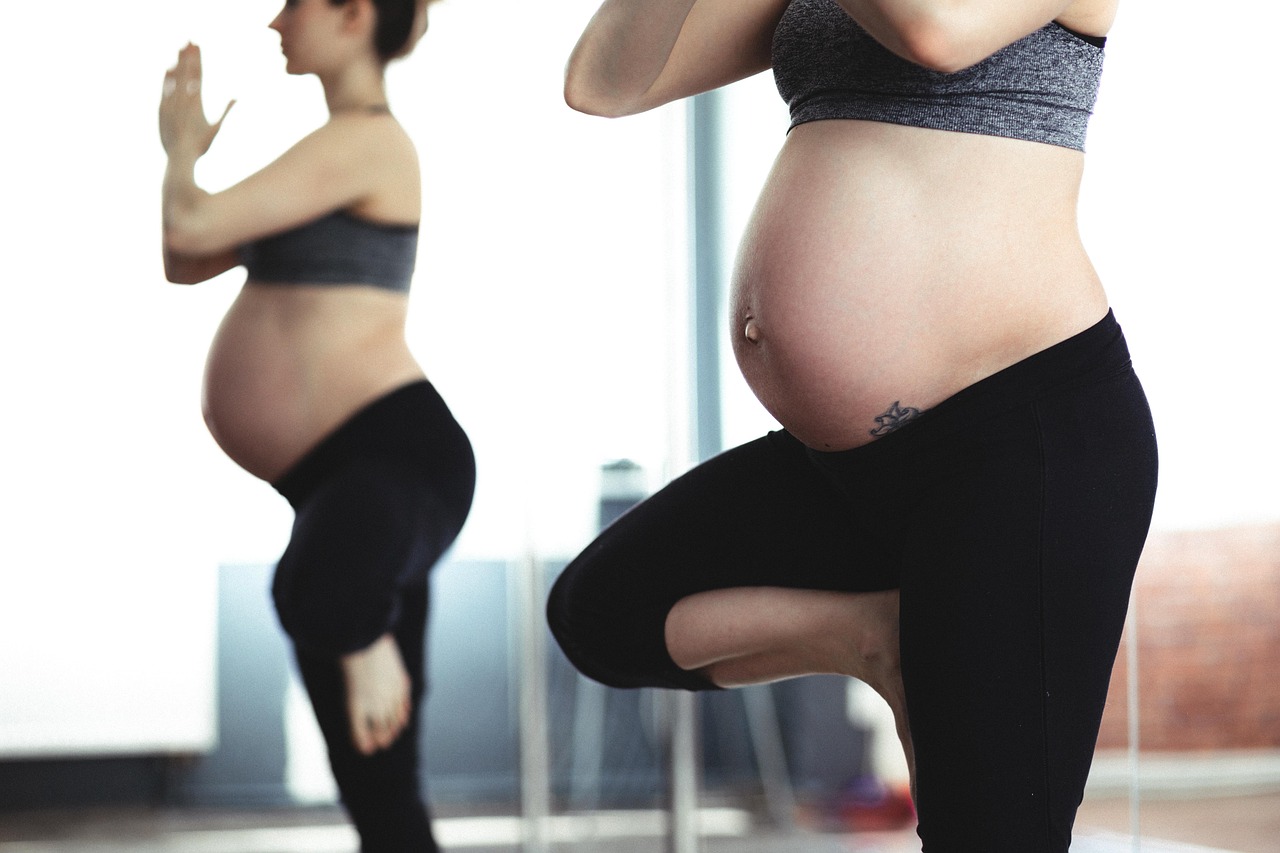
Engaging in core strengthening exercises is highly beneficial for pregnant women, but awareness and understanding of their body’s changing needs are essential. It’s important to establish a fitness routine that integrates both core and relaxation techniques. Activities such as yoga can enhance overall well-being while providing additional strength to the core. Breathing exercises can also help in promoting relaxation and reducing anxiety. Understanding the importance of the transverse abdominis, a crucial muscle for posture and stability, helps in subsequently ensuring good core mechanics. Practicing safe modifications enables pregnant women to experience the numerous benefits without risking safety. Stretching and gentle movements offer body alertness and prevent stiffness, promoting mobility and flexibility of muscles. This is particularly important as bodily changes may lead to discomfort while performing routine daily tasks. Furthermore, simple core exercises can lead to a smoother recovery postpartum, enabling women to regain strength more quickly. Remember that every pregnancy journey is unique; maintain communication with healthcare providers to ensure individualized advice. Fostering the right knowledge provides empowerment in navigating a safe exercise path throughout pregnancy.
Consultation with Professionals
Despite the many advantages of core strengthening, it cannot be overstated that professional consultations are necessary during pregnancy. Healthcare providers can assess an individual’s baseline fitness level and suggest personalized exercise strategies. They also help in recognizing specific contraindications. An experienced prenatal fitness trainer can provide tailored programming that focuses on safe and effective movements. Additionally, physical therapists specializing in prenatal care can offer rehabilitation techniques for women experiencing discomfort, injury, or other physical issues. Moreover, joining a prenatal fitness class can connect pregnant women with likeminded individuals, offering support and motivation. It encourages a community atmosphere and can help maintain accountability. It’s also beneficial to inquire about classes that emphasize core strengthening. Such classes can introduce expectant mothers to a variety of exercises designed to keep both mother and baby healthy throughout pregnancy. Some facilities may even offer online classes for added convenience. Implementing a balanced approach, including consultation, supportive communities, and encouragement, creates a strong foundation for safely enhancing core strength during this transformative time in a woman’s life.
Understanding the overall impact of core strengthening on labor experience is crucial for pregnant women. Many women find that maintaining a well-conditioned core can play a significant role during labor and delivery. Strong core muscles can provide the endurance needed during the demanding phases of labor. Moreover, they can contribute to effective pushing techniques, which can potentially shorten labor duration. An effective core also allows for optimal fetal positioning, further supporting a smoother delivery process. As active engagement in core workouts becomes habitual, it cultivates essential physical awareness, helping women respond effectively to their bodies during labor. Additionally, core strength can ease post-delivery recovery, allowing mothers to regain mobility and strength faster. While core strengthening can enhance the experience during pregnancy and labor, managing expectations with realistic goals is essential. Every woman’s journey, from pregnancy through childbirth, is unique, shaped by various factors including previous physical fitness and overall health. Tracking progress over time can help maintain motivation and drive. Emphasizing a sense of accomplishment, regardless of fitness level, fosters an understanding of personal achievements throughout this life-changing period.
Conclusion on Core Strengthening During Pregnancy
Core strengthening during pregnancy is an invaluable aspect that enhances overall health and well-being. While exercising, it’s paramount to remain adaptable and aware of bodily changes throughout the pregnancy journey. Pregnant women should emphasize developing a balanced exercise routine that incorporates cardiovascular fitness and strength training while emphasizing core exercises. Listening to one’s body and adjusting exercises according to comfort levels can prevent adverse effects and enhance the experience. It is also essential to prioritize mental well-being, using fitness as a form of stress release while nurturing a bond with the baby. As women transition into motherhood, fostering core strength will enable them to rely on inner strength and resilience. Participating in group classes can also provide additional knowledge while establishing supportive relationships with other mothers. Sharing experiences creates a communal foundation that can motivate and inspire. Lastly, always maintain open lines of communication with healthcare practitioners through the pregnancy journey. Empowered choices create informed outcomes. By investing in core strengthening, expectant mothers are enhancing not only their own health but also establishing a favorable environment for their child.