
The Science Behind Flexibility and Mobility in High-Intensity Bootcamp Workouts
High-intensity bootcamp workouts demand a lot from the body, making flexibility and mobility essential components. Incorporating these elements can enhance performance and reduce injury risk. Improving flexibility allows muscles to stretch beyond their normal range, which can lead to better movement efficiency. When muscles are more flexible, athletes can execute various high-intensity moves with greater ease and control. Mobility, on the other hand, refers to the ability of joints to move through their full range of motion. A lack of mobility can limit performance, affecting how well one can complete complex movements. Additionally, maintaining an optimal mobility level can significantly enhance functional fitness. In this context, functional fitness refers to exercises that mimic everyday activities. When you engage in mobility exercises, you are training your body to more effectively perform actions that are necessary in daily life. The blend of flexibility and mobility training leads to a well-rounded physical enhancement, allowing every bootcamp participant to achieve their fitness goals effectively and safely. This synergy is not merely beneficial but rather fundamental in promoting a holistic approach to fitness.
Flexibility training is crucial for those engaged in bootcamp workouts. It involves systematically stretching muscles and tendons to increase their elasticity. Regular flexibility training can lead to a more capable body, allowing athletes to perform explosive high-intensity movements, such as jumping, sprinting, and quick directional changes. Incorporating unique strategies can establish a routine tailored for flexibility improvement. Here are some effective techniques worth adding to your training program. Begin with static stretching focused on major muscle groups. Consider dynamic stretches for warming up, such as leg swings or arm circles. Additionally, yoga can play an essential role in enhancing flexibility. Incorporating yoga not only improves muscle elasticity but can also provide mental benefits through improved focus and relaxation. As a result, many bootcamp participants find their workouts more enjoyable and engaging. Implementing these techniques fosters an adaptable and resilient body structure, equipping individuals for the varied challenges present in a bootcamp scenario. Overall, dedicated flexibility practice can lead to improved athletic performance, yielding better outcomes during challenging workout sessions, contributing to personal fitness achievements.
Understanding Mobility Exercises
Mobility exercises enhance joint function, helping athletes achieve optimal ranges of motion. This is especially important in high-intensity bootcamp workouts where quick transitions and dynamic movements occur frequently. Strengthening stabilizer muscles and improving balance are key benefits of integrating mobility routines into your training program. Effective mobility drills often target specific body areas, such as hips, shoulders, and ankles. By focusing on these major joints, an individual can prevent injuries and improve overall performance. An effective mobility routine may include specific exercises like hip openers, thoracic spine rotations, or ankle circles. These exercises not only promote blood flow but also help warm up key areas before engaging in intense activities. Coupled with proper breathing techniques, mobility exercises can further enhance relaxation and focus, allowing for better execution during workouts. Therefore, individuals who commit to mobility training discover that they can reach their full potential more easily. Consistency is essential, as developing mobility takes time and effort but ultimately reaps rewards in both performance and injury prevention, making it an invaluable component of any successful bootcamp regimen.
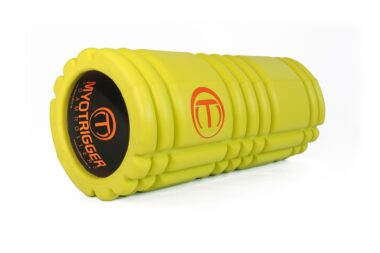
The recovery aspect is another crucial area where flexibility and mobility practices contribute significantly. After engaging in intense training sessions, the body requires proper care to heal and adapt. Stretching and mobility movements post-workout can minimize muscle soreness and improve recovery times. In high-intensity bootcamp sessions, participants might push their limits, leading to tight muscles and potential injuries if not adequately addressed. Integrating post-workout flexibility and mobility routines can enhance blood circulation, which aids in muscle recovery. Applying strategies like foam rolling or guided stretching routines will help muscles release tension effectively. Moreover, these practices enhance the range of motion and flexibility, as muscles begin to reset from a contracted state back to their functional levels. It’s essential to develop a routine that focuses on these recovery components carefully. The combination of flexibility and mobility exercises allows the body to recover beautifully, reducing downtime between workouts. Consequently, this approach enables participants to achieve their goals consistently, allowing them to enjoy the fruits of labor without succumbing to fatigue or injury.
The Role of Warm-Up and Cool-Down
Another critical aspect of integrating flexibility and mobility exercises in bootcamp workouts revolves around warm-ups and cool-downs. Warming up the body prepares it for the upcoming intensity, which significantly reduces the possibility of injury. A well-structured warm-up may include dynamic stretches that enhance mobility. By targeting key muscle groups involved in high-intensity activities, participants can effectively allow their bodies to adapt rather than shock their muscles with sudden efforts. Similarly, a proper cool-down routine incorporating flexibility exercises earns equal importance. Cooling down helps the body wind down gradually. Participants should focus on slow, static stretches post-workout, allowing muscles to release tension accumulated during the session. Both warm-ups and cool-downs showcase the importance of taking fitness seriously, establishing a connection between flexibility, mobility, and performance. Moreover, dedicating time to these stages fosters a positive relationship with physical exercise, promoting a well-rounded fitness approach. Adopting these practices not only improves performance but reinforces the notion of treating one’s body optimally, promoting long-term participation in bootcamp and fitness activities.
To enhance the awareness of body mechanics, incorporating flexibility and mobility training into bootcamp workouts allows participants to understand their physical limits. This awareness is fundamental to develop optimal movement patterns and improve overall athletic capabilities. Kickstarting this journey begins with assessing existing flexibility and mobility levels, which can help tailor exercises strategically. Regularly evaluating progress presents opportunities to refine existing routines for better results. Meanwhile, utilizing tools like mobility assessments can furnish insights into particular areas needing improvement. Incorporating technology such as fitness apps can further assist in tracking this progress. Engaging with a trainer to facilitate these assessments allows individuals to receive personalized advice geared towards enhancing performance. As participants become more attuned to their bodies, they may find themselves experiencing greater motivation and enjoyment throughout their fitness journeys. Furthermore, this engagement may fuel long-term adherence to training principles, creating a lifestyle shift that places value on ongoing development. Overall, fostering an educational approach emphasizes the importance of flexibility and mobility training as foundational components in any rigorous bootcamp workout.
Conclusion: The Importance of Flexibility and Mobility
In conclusion, the integration of flexibility and mobility exercises into high-intensity bootcamp workouts is vital for optimal performance. These components drastically enhance movement capabilities while reducing injury risk, positioning participants for successful goals achievement. Through dedicated training, individuals can attain improved elasticity in their muscles and greater joint function. As a result, they are better equipped to tackle specific challenges inherent in bootcamp settings. The insights provided in this article showcase various approaches towards enhancing flexibility and mobility. From effective warm-up routines to recovery strategies, the myriad benefits highlight the significance of comprehensive training. Additionally, integrating assessments ensures participants reconnect with their bodies and adapt their routines effectively to achieve desired outcomes. Therefore, prioritizing flexibility and mobility is not just optional but essential in any bootcamp regime. It reinforces the idea of overall health and fitness, encouraging a deeper understanding of the body’s requirements. Such a holistic approach fosters longevity in fitness endeavors, allowing participants to achieve their best selves while enjoying the journey towards greater health.
The focus on flexibility and mobility adds depth to any fitness routine, strengthening performance across different exercises.