
The Role of Push-Up Variations in Rehabilitation and Recovery
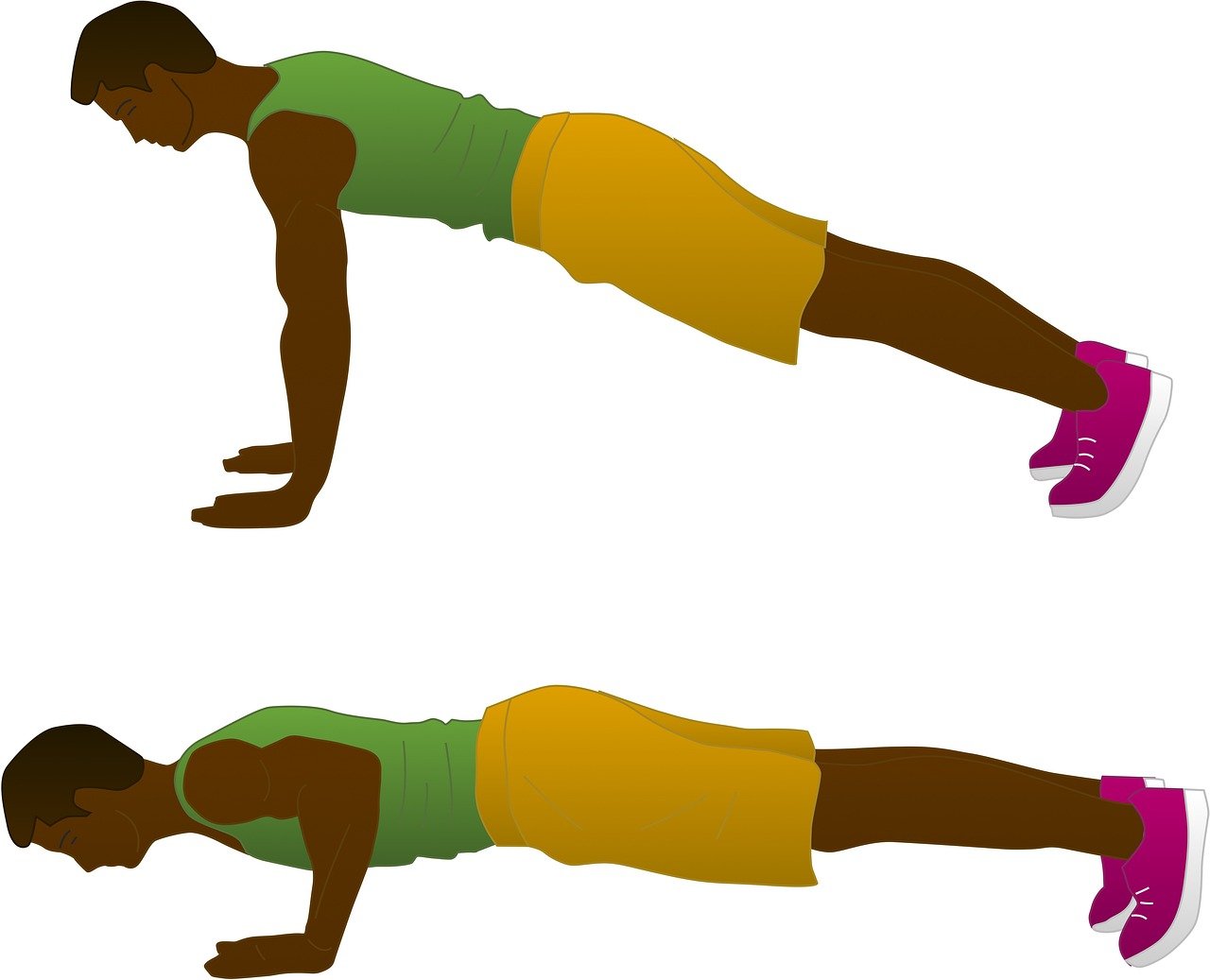
Push-up variations serve a vital role in rehabilitation and recovery from injuries. These exercises promote muscle endurance and strength without the need for equipment, making them accessible for many. Variations like incline push-ups help in adjusting the difficulty, especially for those recovering from shoulder injuries. By making modifications to the standard push-up, individuals can gradually regain strength without straining their muscles. The versatility of push-ups allows for tailored workouts that align with individual recovery goals. They can help rebuild upper body strength, ensure proper form, and reduce the risk of future injuries. Rehabilitation protocols often incorporate bodyweight exercises such as push-ups to enhance the functional movement patterns of an individual. Not only do they assist in physical recovery, but they also foster mental resilience. The added variety of push-ups keeps the recovery process engaging and interesting for clients. Often, engaging in exercises that are revitalizing can turn a lengthy recovery into a more enjoyable experience. Consulting a healthcare professional is crucial to design an appropriate rehabilitation plan involving push-ups suitable for each individual’s needs and restrictions.
The introduction of different push-up variations further enhances the recovery process. Each variation is tailored to target specific muscle groups, ensuring that the body heals comprehensively. For instance, wide grip push-ups focus on developing the pectoral muscles, whereas tricep push-ups specifically strengthen the arm muscles. This targeted approach enables individuals recovering from injury to work on specific areas needing strength without overexerting themselves. Some variations, such as the clapping push-up, are more advanced and may serve as a goal for individuals who are progressing well in their rehabilitation. These types of exercises challenge the neuromuscular system and improve coordination and strength. Moreover, the movements encourage better circulation within the muscles, promoting healing and recovery. Stretching and loosening tight muscle areas before engaging in these push-up variations can enhance performance and minimize discomfort. These engagements not only serve a physical purpose but also encourage a sense of achievement and motivation. Using push-up variations within structured rehabilitation programs often leads to improved outcomes, allowing individuals to return to their regular activities sooner with enhanced physical capacity.
Incorporating Push-Up Variations into Rehabilitation Programs
Incorporating push-up variations within rehabilitation programs is an effective method to facilitate recovery. When starting a rehabilitation program, it’s essential to choose variations suitable for the individual’s fitness level and injury status. Gradually progressing through the intensity and complexity of each push-up can provide ample opportunity for a safe and effective recovery. The initial phase might include wall push-ups or knee push-ups, allowing individuals to build strength and confidence. As patients progress, practitioners may integrate variations that challenge overall stability and strength dynamics, such as side-to-side push-ups or medicine ball push-ups. These advanced variations not only enhance strength but also improve muscle coordination, core stability, and functional performance. One of the critical aspects of rehabilitation is ensuring the correct form during these exercises. Proper physical assessment and instruction improve the success rate of recovery programs. Close supervision during the early training stages may also be required to ensure proper techniques are followed. Furthermore, patients should be encouraged to listen to their bodies and adjust their training accordingly to avoid setbacks. All of these considerations contribute significantly to achieving lasting results in recovering individuals.
Push-up variations can also play a critical role in dynamism and variation in rehabilitation exercises. The inclusion of balance and stability components in push-ups enhances overall body awareness. Variations such as staggered push-ups or single-arm push-ups promote the engagement of stabilizer muscles, which are crucial for functional activities. By emphasizing stability, rehabilitation programs can help improve overall posture and alignment, contributing to long-term musculoskeletal health. Furthermore, the adaptability of push-ups makes them suitable for various populations, including elderly individuals or those with chronic conditions. Customized rehabilitation strategies involving push-up variations must consider each individual’s specific needs and functional capabilities. This adaptability extends to rehabilitation settings, such as clinics, at-home routines, or group therapy sessions. Utilizing push-ups in multiple environments can decrease the monotony of rehabilitation work, leading to higher patient compliance rates. Including push-up variations as part of a comprehensive training protocol can significantly enhance overall recovery time and outcomes for patients recovering from injuries, surgeries, or various physical limitations. Thus, they are an invaluable addition to any rehabilitation strategy aimed at restoring strength and mobility.
The Psychological Benefits of Push-Up Variations
While the physical benefits of push-up variations are well-documented, the psychological aspect is equally vital in the recovery process. Engaging in push-ups can instill a feeling of accomplishment, enhancing self-efficacy and motivating individuals throughout their recovery journey. As patients become more acquainted with various push-up forms, they often experience boosted self-esteem, thus encouraging further participation in their rehabilitation. The sense of control gained by mastering new variations allows patients to feel empowered. They become active participants in their recovery process rather than passive recipients of treatment. This intrinsic motivation can also serve to enhance mental resilience against frustration that often accompanies rehabilitation. Providing options through diverse push-ups can make exercise sessions more enjoyable, preventing boredom and staleness. Maintaining interest in rehabilitation exercises increases urgency in returning to normal activities. Additionally, social interaction within group settings while performing push-up variations can foster camaraderie, leading to enhanced psychological support. It is vital for healthcare providers to highlight the connection between physical activity and mental health benefits during this process. Thus, understanding this interplay can lead to improved recovery experiences for all individuals.
Additionally, tracking progress through the various push-up forms can create benchmarks that contribute to an individual’s motivation and goals throughout rehabilitation. Setting achievable targets within a structured rehabilitation program helps patients visualize their success over time. This engagement fortifies individuals’ determination and reinforces habits formed during recovery. Utilizing progress assessments can also guide adjustments in rehabilitation plans, ensuring they remain aligned with individual improvement levels. Moreover, celebrating achievements marks crucial milestones, enhancing motivation. Whether it’s reaching a certain number of repetitions or mastering a new push-up variation, recognition of these accomplishments fosters a positive outlook toward recovery. Support systems also significantly contribute to the rehabilitation experience as individuals may share progress updates with trainers, healthcare providers, or even their peers. The inclusive nature of basic bodyweight exercises, such as push-up variations, encourages shared experiences, promoting camaraderie in recovery settings. This collective practice creates an environment where individuals can feel supported, celebrated, and understood. Therefore, the unique connection between push-up variations and psychological welfare cannot be understated during rehabilitation journeys for all individuals committed to improving their physical health.
In conclusion, push-up variations play a significant role in rehabilitation and recovery. By providing a versatile and accessible workout option, they cater to diverse needs while fulfilling various rehabilitation objectives. The process becomes not just about restoring physical function but also about cultivating mental resilience, motivation, and confidence. Addressing both physical and psychological aspects makes push-up variations an invaluable tool in recovery programs. As practitioners and patients continue to discover innovative ways to include push-up forms, a better understanding of their advantages emerges. The multifaceted nature of these exercises means that they can simultaneously target strength, flexibility, and endurance, leading to holistic recovery. Continuous communication between trainers and individuals is essential to ensure the chosen variations are conducive to specific recovery goals. Through regular evaluations, adjustments to training plans can maintain the proper pace in recovery. Integrating education about proper exercise forms during rehabilitation can further reinforce these experiences. Ultimately, accepting push-ups as essential elements of a recovery regime will likely enhance overall outcomes for various populations facing physical rehabilitation. Advocating for their incorporation promises a more sustainable pathway towards regaining strength and achieving full recovery.