
Rowing Machine Workouts for Stress Relief and Mental Health
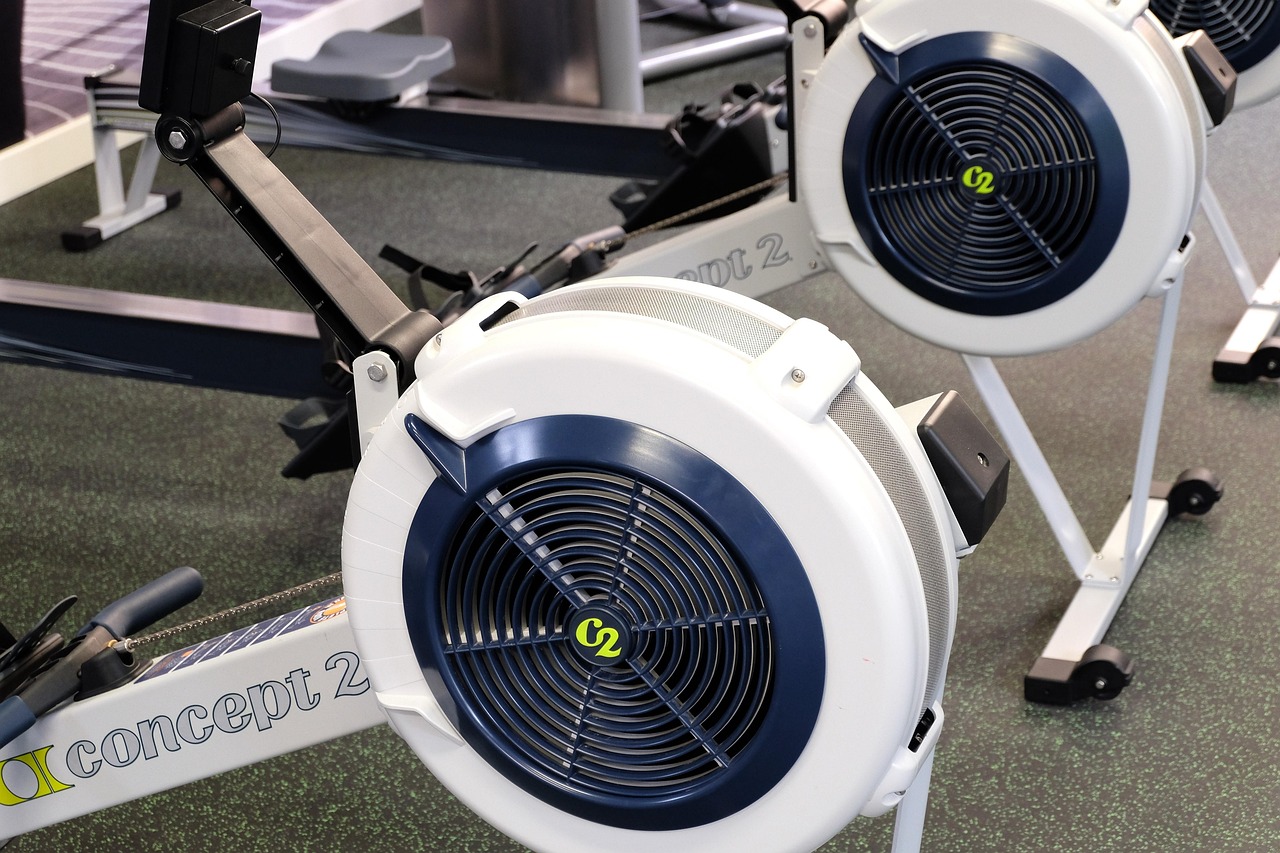
Engaging in rowing machine workouts can significantly enhance your mental health and help relieve stress. Rowing is a low-impact exercise that provides a full-body workout while promoting cardiovascular health. This form of exercise allows users to engage multiple muscle groups, including the legs, core, and arms. The rhythmic nature of rowing can induce a meditative state, effectively reducing anxiety and promoting a calm mind. Moreover, this activity can be particularly beneficial for those who struggle with traditional workout routines. On a rowing machine, you can control the pace, resistance, and duration of each session according to your fitness level. This customization empowers individuals to gradually increase their activity, making it easier to stick to a workout regimen. Additionally, rowing can help improve your overall mood through the release of endorphins, which are natural mood lifters. By creating a consistent rowing routine, you’re investing in not just physical health, but emotional well-being, too. Lastly, the convenience of rowing machines allows for effective workouts at home, saving time and making it easier to maintain consistency.
The mental health benefits of rowing extend beyond the immediate therapeutic effects during workouts. Engaging in this activity regularly can provide a long-term enhancement in mood and overall emotional stability. When you row, the repetitive motion offers a unique opportunity to disconnect from daily stresses. It allows individuals to zone out and focus solely on their technique and rhythm. This meditative aspect serves as a mental reset, providing clarity and perspective. As you concentrate on your form, breathing, and movement, daily worries take a backseat. Furthermore, the structured routine of rowing can help instill a sense of discipline and accomplishment. Meeting fitness goals builds confidence and self-esteem, contributing positively to your mental health. The supportive community aspect of group rowing sessions also cannot be overlooked. Being part of a group creates a sense of belonging, support, and collective motivation. Whether you row in a gym or join an outdoor crew, social interaction enhances the overall experience and reduces feelings of isolation. Thus, rowing serves as a multifaceted approach to nurturing both body and mind.
The Physical Benefits of Rowing for Mental Health
Rowing is not just advantageous for mental health; it yields numerous physical benefits that contribute to overall well-being. One primary benefit is its ability to boost cardiovascular fitness. Rowing works large muscle groups simultaneously, contributing to a higher heart rate, which is crucial for heart health. This increased heart rate during workouts helps in burning calories, thus aiding in weight management, a factor that deeply affects mental health. Additionally, strengthening the core and stabilizing muscles improves posture, which can have a positive influence on both physical appearance and cognitive function. As you achieve better posture, you may feel more confident and energized. This improvement can lead to better interactions and less stress in social situations. The combination of enhanced endurance, strength, and flexibility that comes from rowing enhances daily functional movements, making everyday activities less taxing. Moreover, rowing provides a unique opportunity for interval training, which can elevate metabolism and improve overall athletic performance. With increased energy levels and enthusiasm for life, participants can tackle daily challenges more effectively, further reducing stress and improving mental clarity.
Mindfulness is a critical component of mental health, and rowing can cultivate this practice over time. When you engage in a workout on a rowing machine, maintaining the rhythm of strokes promotes a flow state often linked with mindfulness. This state fosters an awareness of your abilities, limits, and emotions, enhancing the mind-body connection. Being present while exercising alleviates feelings of overwhelm, allowing individuals to process thoughts without judgment. Emotional resilience increases through this practice, helping you face obstacles in life with a healthier perspective. Rowing’s meditative characteristics can serve as a shield against the chaos of everyday life. Even a short rowing session can trigger a cascade of positive emotions, leaving participants with a more hopeful outlook. Additionally, the simplicity of rower workouts allows for accessibility; whether you are in a bustling gym or at home, you can achieve a state of Zen efficiently. This versatility ensures that individuals can cultivate their mindfulness practice wherever suits them best. Regularly incorporating mindfulness awareness into your rowing sessions not only bolsters physical fitness but also nurtures emotional balance.
Creating a Rowing Routine for Stress Relief
Setting up a rowing routine tailored to your preferences plays a vital role in maximizing the benefits for mental health and stress relief. To start, determine the frequency of your workouts, aiming for at least three times a week. Gradually increase the duration of your sessions, beginning with fifteen to twenty minutes and working your way up to thirty or more. Having set goals can provide motivation. It creates a sense of achievement when reached. Consistency is key; allocating specific days and times dedicated exclusively to rowing can build a positive habit. Incorporating different workout types, such as steady-state rowing and interval training, keeps the routine engaging and prevents boredom. It’s essential to monitor your progress, perhaps tracking your times or distance traveled, as this can foster a sense of accomplishment. Pairing your rowing with music or an engaging podcast can also elevate the experience. Finally, listen to your body and allow for recovery days. A well-rounded approach, including strength training and flexibility work along with rowing, enhances overall fitness and promotes mental well-being, making the experience truly rewarding.
Nutrition plays a critical role in maximizing the effects of rowing machine workouts. A balanced diet increases energy levels, improves performance, and supports recovery, all crucial for benefiting mental health. Proper hydration is equally important; dehydration can lead to fatigue and irritability, negatively influencing mood. Focus on consuming whole foods, incorporating plenty of fruits, vegetables, lean proteins, and healthy fats. Foods rich in omega-3 fatty acids, such as salmon or walnuts, can further contribute to cognitive function and emotional balance. Additionally, complex carbohydrates found in whole grains provide sustained energy during workouts. Avoid excessive consumption of processed sugars and detrimental fats, as these can cause fluctuations in energy levels, ultimately affecting your mental state. Preparing nutritious meals or snacks ahead of workout sessions ensures that you’re fueled appropriately. Eating a small meal or snack one to two hours prior to rowing can optimize the performance. On the other hand, a post-workout meal rich in proteins aids in faster recovery. Thus, a holistic approach to nutrition paired with rowing will effectively enhance your overall physical and mental health.
Combining Rowing with Other Activities for Enhanced Benefits
To achieve well-rounded benefits for mental health, consider integrating rowing with complementary activities. This combination can create a comprehensive fitness plan that enhances overall well-being. Stretching classes like yoga or Pilates can improve flexibility and core strength, vital for rowing. Engaging in these activities helps counterbalance the muscle groups used in rowing. Stretching also aids in recovery, making subsequent workouts more effective while preventing injury. Additionally, incorporating strength training into your routine can significantly boost your rowing performance. Improving muscle strength will lead to enhanced power during your workouts, further benefitting mental health. Outdoor rowing or group classes can maximize the social aspect of your fitness regimen. Being part of a community reduces feelings of isolation while providing encouragement and camaraderie. Finally, don’t underestimate the power of outdoor activity; if possible, rowing outside can expose you to nature, which has been proven to reduce stress levels and enhance mood. This combination of varied exercises creates a balanced experience, yielding greater physical strength and resilience for both body and mind, ultimately enhancing mental health.
In conclusion, rowing machine workouts present a unique opportunity to improve mental health through a versatile and engaging exercise format. The multi-faceted benefits of rowing extend beyond the physical aspects, deeply influencing emotional well-being and stress relief. With the effective combination of cardiovascular fitness, muscle engagement, and mindfulness, rowing caters to diverse fitness levels and personal preferences. Establishing a routine that incorporates this low-impact exercise can serve as a significant step towards better mental health. Support from community, along with mindful practices, helps ensure long-lasting positive outcomes. The nourishment of mind and body through an integrated fitness approach enhances the overall quality of life. Remember, the key lies in consistency, enjoyment, and exploration of different workout formats. Adapting personal preferences within a broader fitness plan creates a unique experience that benefits both physical and mental health. By prioritizing mental health in fitness routines, individuals can transform their approach to wellness. Furthermore, setting realistic goals and celebrating small achievements reinforces motivation along the journey. Through rowing, not only can you achieve your fitness goals, but also cultivate a healthier mindset and emotional resilience.