
Machine Workouts vs Bodyweight Exercises: Pros and Cons
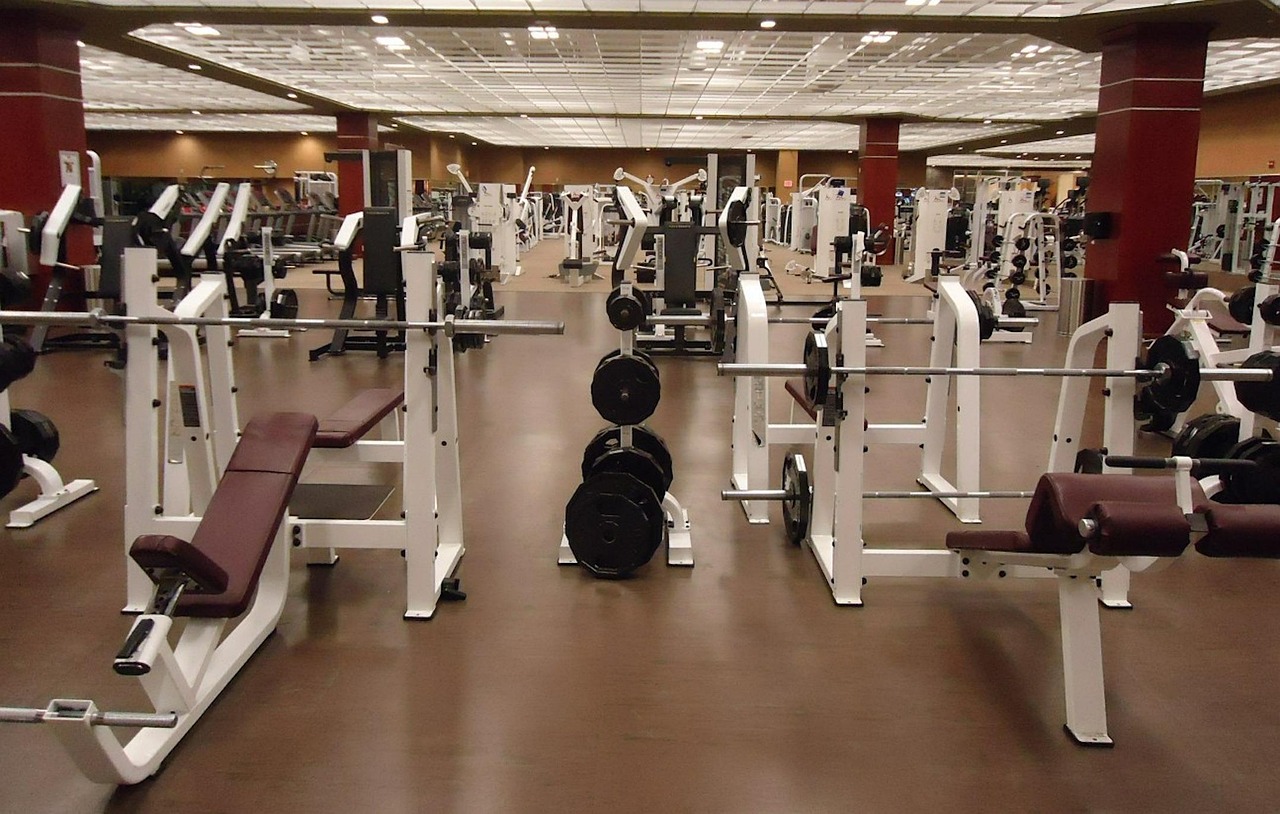
When it comes to building strength and enhancing fitness, the choice between machine workouts and bodyweight exercises often arises. Each of these approaches has its own set of advantages and disadvantages. Machine workouts typically offer stability and guided movements, allowing novices to focus on form. This can be particularly beneficial in preventing injury and ensuring the right muscle groups are targeted effectively. Furthermore, machines can easily adjust the resistance level, permitting users to progressively increase their strength without the intimidating aspect of heavy free weights. However, the equipment’s fixed range of motion might limit functional strength development and adaptability to real-life movements.
On the other hand, bodyweight exercises exemplify a different training philosophy. They not only develop strength but also enhance cardiovascular fitness and flexibility. Exercises like push-ups, pull-ups, and squats require no equipment and can be performed anywhere, making them incredibly accessible. This method encourages awareness of one’s body and promotes the use of multiple muscle groups simultaneously. While bodyweight workouts do not offer the same degree of adjustable resistance as machines, they can still challenge the body through variations and progressions. For beginners, mastering bodyweight moves may feel less intimidating than setting up complex machines in a gym environment.
Benefits of Machine Workouts
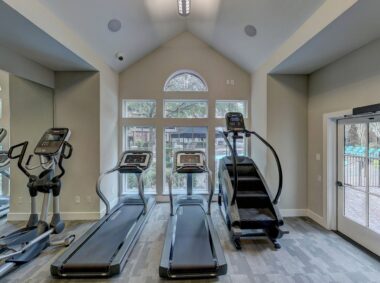
Machine workouts provide several significant benefits, particularly for beginners. They simplify the exercise process, reducing the complexity of form and technique. With machines, users can isolate specific muscle groups more easily than with free weights. This is especially useful for those recovering from injuries, as machines allow for controlled movements. Additionally, many machines are designed to support your body, reducing the risk of injury when lifting heavier weights. However, the reliance on machines might not translate well to functional movements in everyday life, which could be a drawback for those seeking comprehensive fitness.
Another factor to consider is that machine workouts can lead to muscle imbalances. Isolated training often neglects synergistic muscle groups vital for a balanced physique. While machines make it easier to push limits, they can promote an over-emphasis on certain muscle groups while others receive less attention. Furthermore, reliance on machines may limit one’s adaptability to different workout environments. In contrast, bodyweight exercises effectively engage multiple muscle groups and enhance coordination, which can be beneficial in the long run. Machines are undoubtedly efficient, but they should be combined thoughtfully with bodyweight routines for a holistic fitness plan.
Advantages of Bodyweight Exercises
Bodyweight exercises offer unique advantages that resonate with many fitness enthusiasts. First and foremost, they are free and incredibly versatile. You can perform them virtually anywhere—at home, outdoors, or in a gym setting. This accessibility removes barriers to entry, making it easy for anyone to start and progress in their fitness journey. Additionally, bodyweight exercises are excellent for developing functional strength, which translates to improved performance in daily activities and sports. Engaging multiple muscle groups also enhances coordination and balance, which are critical elements of overall fitness.
A key advantage lies in the adaptability of bodyweight exercises. Regardless of your fitness level, there are numerous progressions and variations to meet your needs. Beginners can start with modified versions, while advanced users can challenge themselves with more complex movements, emphasizing growth and endurance. Moreover, bodyweight exercises often engage core muscles significantly, which is crucial for stability and overall strength. However, as fitness levels rise, some may find challenges in inducing progressive overload compared to weight machines, potentially limiting continued advancements. Developing strength and endurance through bodyweight routines requires creativity and dedication.
Combining Both Approaches
Many fitness professionals advocate for a combined approach involving both machine workouts and bodyweight exercises. Integrating these two methods can maximize overall fitness benefits and address various fitness goals. For instance, starting workouts with compound machine exercises to build strength can do wonders for beginners, followed by a circuit of bodyweight exercises for endurance and functional strength. This blend not only keeps workouts engaging but also helps prevent plateaus and promote consistent progress over time. Each approach has unique strengths, and utilizing their combined power can lead to well-rounded physical development.
In conclusion, understanding the pros and cons of both machine workouts and bodyweight exercises is essential for making informed fitness choices. Machine workouts provide the advantage of stability, ease of use, and isolation for targeted muscle training. At the same time, bodyweight exercises promote functional strength, flexibility, and adaptability in various environments. No single approach works for everyone, and combining both may yield the most significant results. Engaging with both methods allows for a dynamic training regimen that can evolve as fitness levels improve, ensuring continued motivation and success in achieving fitness goals.