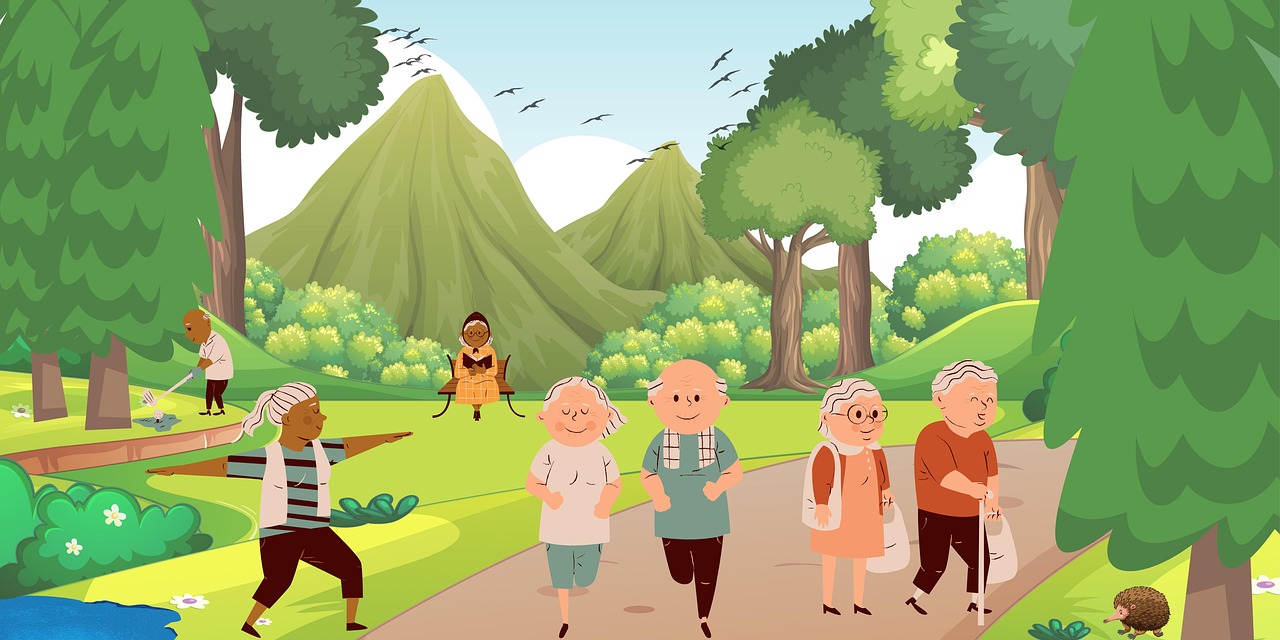

Best Low-Impact Outdoor Activities for Seniors
Engaging in outdoor workouts is an excellent way for seniors to stay healthy and active. Outdoor activities can offer numerous benefits, including improved mood and better physical health. As you get older, maintaining fitness becomes essential. Fortunately, various low-impact activities cater to seniors, accommodating different fitness levels while still being enjoyable. Walking is perhaps the simplest yet most effective form of outdoor exercise available. Most seniors can walk at their own pace, adjusting according to their comfort level. It’s advisable to use supportive footwear to avoid any discomfort. Furthermore, taking scenic routes can help keep motivation high. Another option is gardening, which combines physical activity with the benefits of nature. This activity promotes strength and flexibility while encouraging relaxation. Outdoor swimming is also a noteworthy mention, providing a gentle environment for joint-friendly exercise. Local parks often have swimming pools suitable for seniors. Thus, engaging in outdoor workouts can greatly enhance one’s mental and emotional well-being. Combining these low-impact alternatives becomes vital since they encourage a balanced approach to physical fitness and social interaction. Making healthy lifestyle choices, including outdoor workouts, is crucial for seniors.
Walking: The Most Accessible Exercise
Walking is one of the most accessible exercises available to seniors, making it a dominant choice for outdoor workouts. Older adults can easily adapt their walking routines to fit their individual fitness levels, making this activity highly versatile. Whether in a park, along a beach, or through your neighborhood, the options are vast. Regular walking offers numerous health advantages, such as improved cardiovascular health, muscle strength, and enhanced mood. Engaging in brisk walking can contribute significantly to maintaining a healthy lifestyle. Moreover, seniors can pair walking with social activities by joining walking groups or participating in organized walks. This not only promotes physical health but also enhances social interaction, which is vital for overall well-being. When planning a walking route, it is important to choose safe pathways that are even and well-lit. Remember to stay hydrated, especially during hotter months. Using walking aids like poles can offer additional stability for those who need support. To keep motivated, setting achievable goals can encourage seniors to stick to their regular walking regimen. Overall, walking is an excellent low-impact outdoor workout suitable for every senior.
Yoga in outdoor spaces offers numerous benefits for seniors, both physically and mentally. Practicing yoga allows older adults to improve flexibility, balance, and strength while fostering relaxation and mindfulness. Outdoor settings, like parks or gardens, enhance the yoga experience by offering natural tranquility. Moreover, the fresh air can invigorate practitioners, making their sessions more enjoyable. Seniors interested in this low-impact workout can start with gentle yoga classes tailored for their skill levels. Classes often focus on mindful movements and deep breathing techniques, which can help alleviate stress. Various online resources can help seniors access guided sessions that fit their individual needs. Engaging in outdoor yoga not only promotes physical health but also encourages socialization among participants. Pairing this exercise with a friend can significantly increase motivation. Before practicing yoga outdoors, it’s important to have proper equipment, such as a reliable yoga mat and comfortable clothing. Ensuring a safe environment is key; being mindful of surroundings helps prevent injuries. Ultimately, outdoor yoga can be a fulfilling exercise choice, allowing seniors to connect with nature while enhancing their health and well-being. Regular practice can bring a sense of peace and grounding to their day.
Gardening for Fitness and Fun
Gardening emerges as a fantastic low-impact outdoor activity for seniors, combining physical exercise with creativity. It’s not merely focused on cultivation; gardening requires various movements that contribute to flexibility and muscle strength. Digging, planting, weeding, and watering constitute good workouts. Additionally, tending to a garden can reduce stress and promote mental well-being. For seniors, having a small garden space or even container gardening can work, providing a perfect opportunity to enjoy the outdoors. Besides, gardening can be a therapeutic way to connect with nature, enhancing mood and outlook on life. You can grow beautiful flowers or even edible plants, which brings joy and satisfaction. Seniors can also join community gardening groups, making this activity even more social. To stay safe and avoid injury, using appropriate tools is crucial. Ergonomic tools can help reduce strain on joints. Remember to take breaks and stay hydrated, especially during warmer weather. Furthermore, cultivating a garden can also lead to conversations about healthy eating, promoting better dietary habits. Thus, gardening can indeed serve as both a nurturing activity and an engaging form of outdoor physical exercise.
Cycling is a low-impact outdoor activity that seniors can enjoy, especially with the availability of many gentle cycling paths. Finding a suitable bike, like a three-wheeled or electric bike, can provide extra stability and comfort. Cycling strengthens leg muscles and enhances cardiovascular fitness while being easy on the joints. Seniors can journey through local parks or scenic paths, experiencing beautiful surroundings, which significantly boosts motivation. To ensure a comfortable ride, wearing proper helmets and padded clothing is advisable to protect against potential injuries. Additionally, adhering to safety measures, like obeying traffic signals, is crucial when riding on roads. Seniors should gradually build their endurance, starting with short distances and gradually increasing them. Joining cycling groups can enhance the experience, encouraging companionship. Many communities offer organized cycling events where seniors can vividly engage and explore new routes. It’s also beneficial to incorporate stretching and warm-up exercises before cycling to prevent injuries. Overall, cycling opens opportunities for exploration and physical activity, making it a highly recommended low-impact outdoor option for seniors.
Swimming: Gentle and Refreshing
Swimming is often regarded as one of the best low-impact workouts available to seniors, providing a refreshing way to exercise outdoors. It offers a full-body workout while significantly reducing the strain on joints and muscles experienced during other forms of exercise. Many communities have local pools or natural bodies of water where seniors can participate in recreational swimming. Water provides buoyancy, making movements smoother and less painful, which is incredibly beneficial for those with arthritis or joint issues. Finding group swimming classes or organized water aerobics can foster a friendly atmosphere, where seniors may also meet new friends. Practicing swimming not only enhances cardiovascular health but also promotes muscle strength and flexibility. Seniors interested in swimming should focus on techniques that suit their comfort levels, gradually building their skills. Additionally, being mindful of water safety is paramount; staying within designated swimming areas and using appropriate flotation devices aids in ensuring safe practices. Making swimming a regular activity can improve overall health significantly while adding enjoyment to outdoor workouts. Additionally, the calming effect of water can help alleviate stress, creating a well-rounded fitness routine that promotes both physical and mental well-being.
Outdoor Tai Chi, an ancient Chinese martial art, combines gentle movements, mindfulness, and deep breathing, thus making it an excellent low-impact workout for seniors. This practice encourages slow, controlled movements, enhancing balance and flexibility while promoting relaxation and mental clarity. Learning Tai Chi outdoors allows practitioners to connect with nature, providing additional calming stimuli. Seniors can easily incorporate Tai Chi into their daily routines by practicing in parks or gardens, with many communities offering classes tailored to older adults. Engaging in shared Tai Chi sessions can foster social connections while improving well-being. It is essential to ensure participants practice in a safe, open environment, away from obstacles, enabling everyone to move freely. As Tai Chi is not vigorous, it allows seniors to participate at their leisure, adapting to how they feel on any given day. Regular practice contributes to better coordination, reduced anxiety, and enhanced self-awareness. Accessing instructional videos or community instructors can help beginners learn the basics, leading them into this beneficial activity. Ultimately, Tai Chi serves as a holistic approach for seniors seeking low-impact workouts, blending physical exercise with mental tranquility.
Conclusion: Embrace Outdoor Activities
Engaging in low-impact outdoor workouts provides numerous benefits for seniors, significantly enhancing their quality of life. These activities—such as walking, gardening, cycling, swimming, and practicing Tai Chi—encourage physical activity while offering opportunities for socialization and mental well-being. Outdoor workouts foster a connection with nature, which has calming effects and can lead to improved emotional resilience. It’s crucial for seniors to stay motivated by exploring different activities and finding what they enjoy most. Establishing routines around these outdoor exercises can be particularly beneficial in maintaining consistency. Furthermore, enjoying these activities in community settings increases the sense of belonging and motivation. Safety is paramount, and seniors should always prioritize secure environments while exercising. Additionally, before starting any new fitness routines, consulting with healthcare providers is advisable to ensure activities align with individual health conditions. Empowering seniors to embrace these low-impact outdoor options prolongs independence and promotes an active lifestyle. Encouraging friends and family to join can ensure adherence to fitness goals, creating meaningful experiences together. In conclusion, outdoor workouts for seniors can improve physical health, encourage social engagement, and enhance overall well-being.