
The Importance of Master-Student Relationships in Traditional Martial Arts
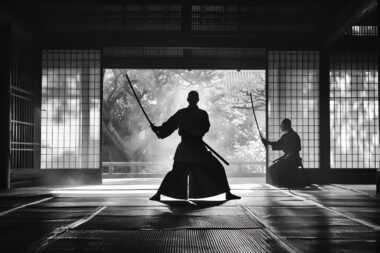
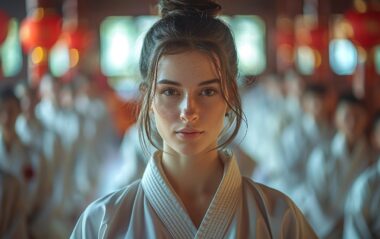
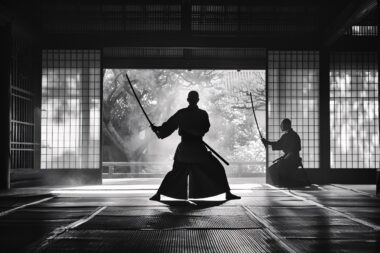
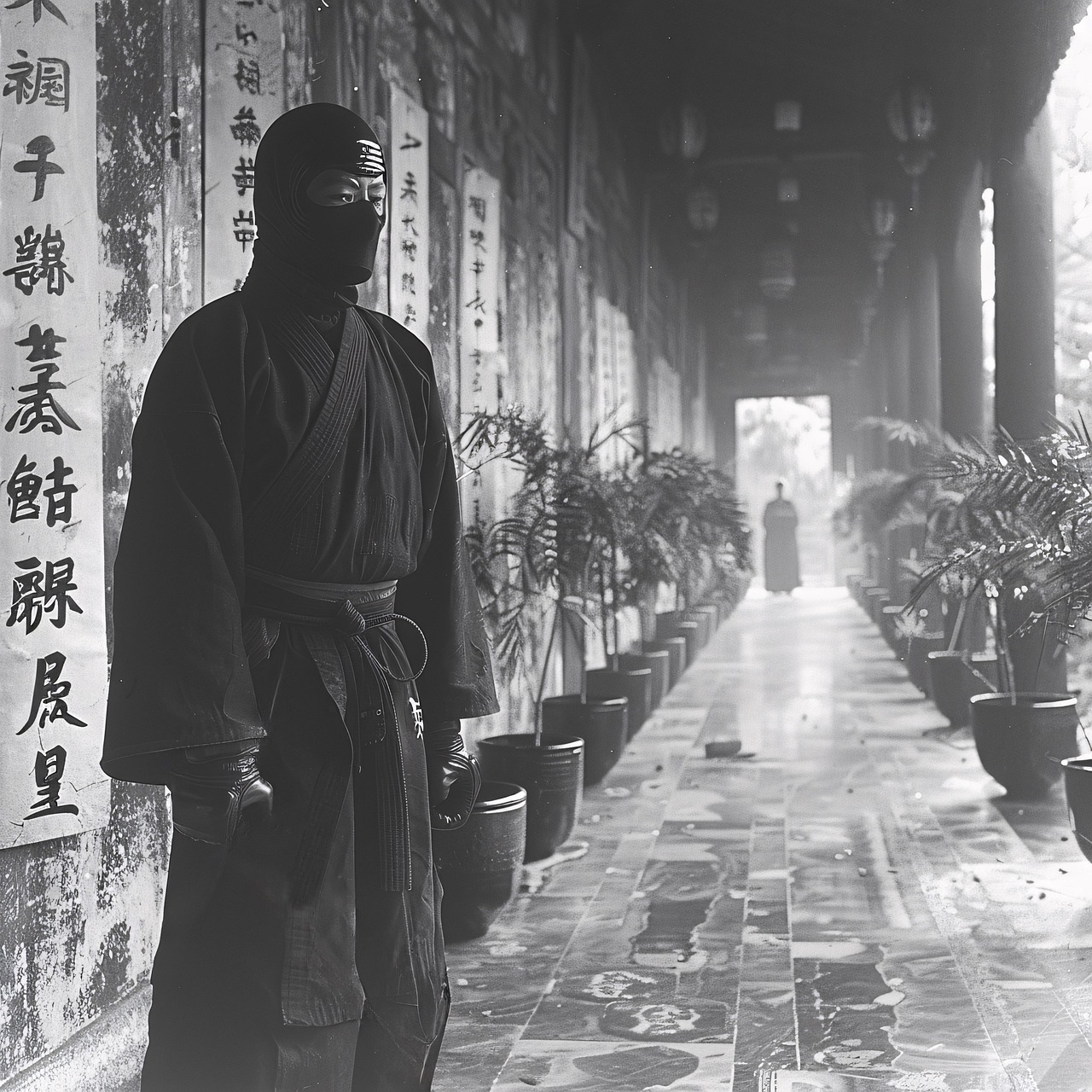
Master-student relationships form the backbone of traditional martial arts. These bonds are not merely instructional but encompass a rich tapestry of trust, respect, and mutual growth. In traditional martial arts, the master, often referred to as ‘Sensei’ or ‘Sifu’, imparts wisdom, techniques, and philosophies that transcend physical training. The relationship is cultivated through rigorous practice, where students learn not just movements but also the underlying principles of the martial art. Such connections foster a learning environment where students feel safe to explore their limits. With proper guidance, they can break barriers, both physically and mentally. A strong master-student relationship facilitates an atmosphere of accountability and motivation. Students are more likely to commit to their practice, consistently showing up for classes and putting in the effort necessary to improve. This relationship also helps in character development as students learn discipline, humility, and perseverance. Matured students often give back to their masters and communities through teaching, thus enriching the martial arts culture continuously. It’s this cyclical nature of learning and sharing that strengthens both the art form and the individuals involved. This aspect is crucial for the preservation of martial arts traditions.
The Role of Trust in Training
Trust is an essential component of the master-student relationship. When a student trusts their master, they are more open to receiving instruction and feedback. This trust builds a safe environment where students can push their limits, experiment with techniques, and embrace challenges. Trust enhances the learning experience within a dojo, fostering deeper connections. For a student, knowing they are in good hands allows them to focus entirely on their training. Masters, on their part, must cultivate an atmosphere of respect and understanding. This means offering constructive criticism, showing patience, and being accessible. Building trust requires time and consistent interaction. Practicing together, discussing philosophies, and addressing students’ concerns are all ways masters can reinforce this bond. Furthermore, a trusting relationship encourages students to remain dedicated to their martial arts journey, even when faced with setbacks. They learn that discipline and continued effort lead to mastery over time. Trust is not only vital to the practical side of martial arts but also plays a crucial role in emotional well-being. Students often find solace in the dojo, creating lifelong friendships based on respect and shared experiences.
The emotional connection in martial arts goes beyond just education. When a student views their master as a mentor, they are likely to absorb teachings on a deeper level. This connection often turns into a transformative experience, influencing their character and approach to life. Traditional martial arts emphasize virtues like respect, humility, and kindness. When students witness these traits in their masters, they are inclined to emulate them. The master, therefore, becomes a living embodiment of the art’s principles, guiding students in their personal development. This mentorship is impactful, especially in youth, where positive role models can significantly shape their values and decisions. Students benefit from the experience and life lessons their masters share. Furthermore, the bond encourages a willingness to learn and grow, enhancing the overall training process. In return, masters often derive immense satisfaction from witnessing the growth of their students. This mutual growth reinforces the master-student bond, driving both parties to strive for excellence in their martial arts practice. Thus, emotional connections can significantly elevate the training experience, making it more enriching and meaningful.
Building a Curriculum Through Relationships
Traditional martial arts often rely on the close relationship between master and student to develop effective curriculums. Masters are keenly aware of individual learning styles, strengths, and weaknesses through ongoing engagement. This insight allows them to tailor their teaching methods accordingly, enhancing the effectiveness of training. In this way, the curriculum is not fixed but evolves based on the needs of the students. For instance, if a student struggles with certain techniques, the master can adjust the training program to focus more on those areas. This personalized approach makes students feel valued and seen, further strengthening their emotional ties to the dojo. The dynamic nature of these relationships encourages students to undertake challenges at their own pace. Additionally, when students see that their unique needs are acknowledged and addressed, they foster a sense of belonging within the martial arts community. The curriculum reflects a shared commitment, and in turn, students are more likely to engage actively. Over time, this leads to profound growth in skillset and confidence, ensuring mastery is achieved not just through repetition but through thoughtful guidance.
In traditional martial arts, instructors often take personal investment in their students, motivating them to succeed. This investment can be demonstrated through one-on-one instruction, mentorship, or even personal conversations. When students recognize that their masters genuinely care about their development, they are inspired to commit more fully to their training. The journey becomes inclusive, with both master and student investing efforts toward common goals. Such investment fosters motivation, creating an environment where students challenge themselves, overcome obstacles, and love their craft. Moreover, this relationship strengthens bonds among students as well. In close-knit martial arts communities, students uplift each other, motivated by their masters’ dedication. When they witness their peers overcoming challenges, it reinforces a shared commitment to the art. The emotional support that stems from this environment is crucial, especially during adversities students may face outside the dojo. A supportive atmosphere encourages students to face life’s challenges with renewed courage, reminding them of the discipline they’ve instilled in training. This cycle of engagement not only propels personal progress but further solidifies the intricate bonds within the martial arts community, ultimately elevating the overall experience of training.
Legacy and Continuity
One of the most vital aspects of the master-student relationship is its contribution to the legacy of traditional martial arts. Effective relationships allow the transmission of knowledge from one generation to the next. When masters invest in their students, they ensure that the skills, techniques, and philosophies are preserved and passed down. Indeed, many traditional martial arts styles thrive on knowledge preservation, and this cannot happen without strong mentorship. Mastery isn’t simply about mastering techniques; instead, it’s about understanding the deeper significance of the art. This extensive knowledge can only be imparted through close relationships. When a student reaches proficiency, often they become masters themselves, continuing the tradition. They, in turn, forge relationships with their students, thus creating an unbroken chain of passing down wisdom. The importance of this legacy cannot be understated. It safeguards unique teachings from potential dilution or extinction. By nurturing these connections, martial arts thrive emotionally and intellectually, creating holistic practitioners skilled in resilience and discipline. Each generation that is trained adds layers of richness and cultural relevance to the martial arts landscape.
In conclusion, the importance of master-student relationships in traditional martial arts can’t be overstated. They are foundational to both physical and mental growth, ensuring that the essence of martial arts survives. These relationships inspire trust and motivation while fostering emotional connections that extend beyond the dojo. With personalized curriculums, masters positively impact their students’ journeys. By focusing on individual needs, they help students overcome obstacles and thrive. Furthermore, the legacy created through these relationships ensures that martial arts traditions endure through generations. This lasting connection between masters and students is indispensable not only for training but also for character development. As students evolve into skilled practitioners, they carry forward the teachings, shaping future generations and enriching the martial arts community. Thus, the master-student bond creates a nurturing environment that empowers individuals while continuously honoring the art form’s legacy. By investing in these connections, we ensure the timeless knowledge of traditional martial arts isn’t easily lost or forgotten, but rather celebrated and passed along, making the journey of discovery and mastery ever more profound.