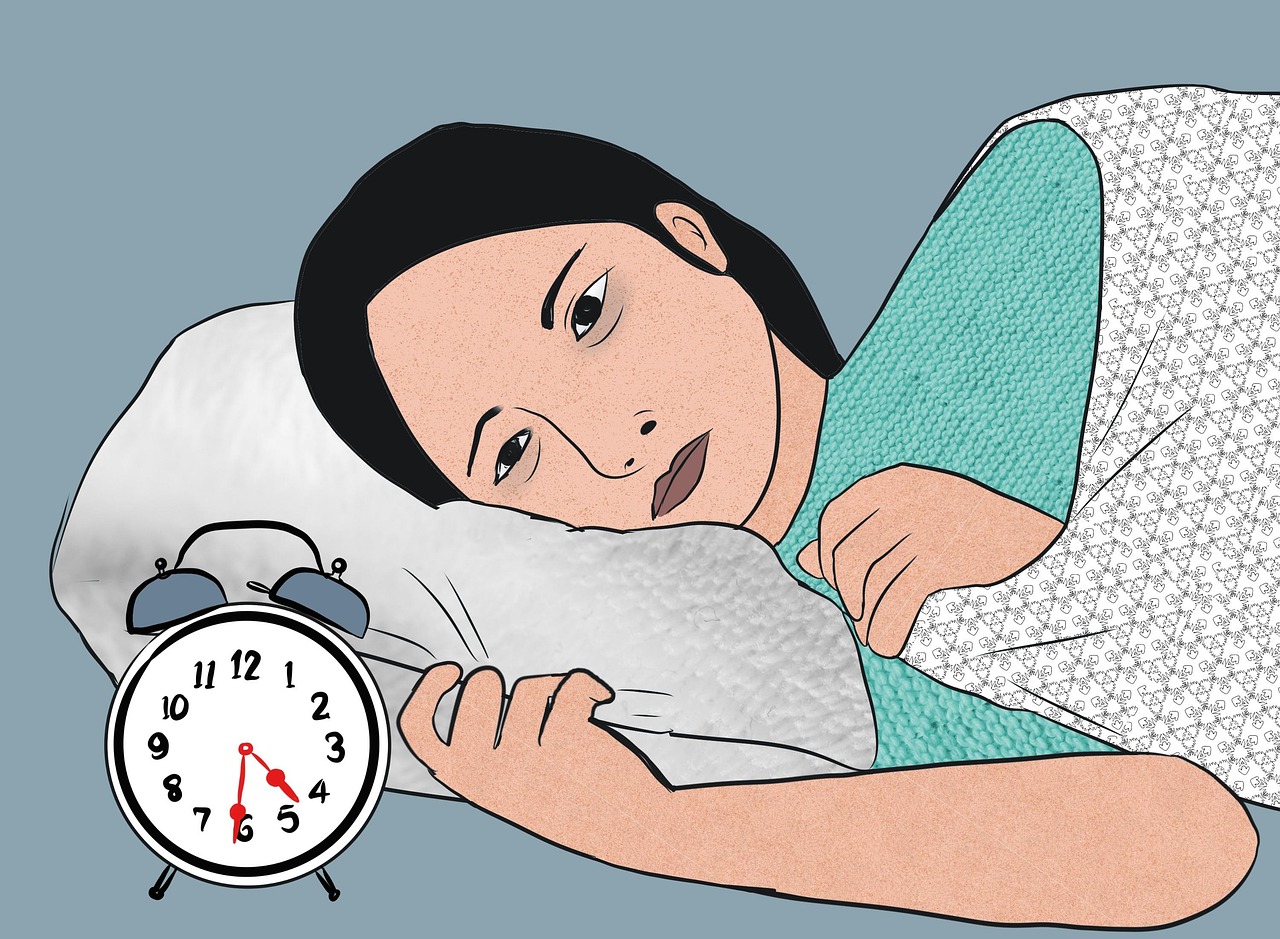

Recognizing the Signs of Insomnia and How to Manage It
Insomnia is a common sleep disorder that significantly affects individuals’ daily lives. It manifests through a persistent inability to fall or stay asleep, which can lead to various negative health outcomes. Recognizing the signs of insomnia is crucial in seeking appropriate treatment. Symptoms often include difficulty in falling asleep, frequent awakenings, and waking up too early, which can leave you feeling tired during the day. If sleep issues persist for more than a month, it may indicate chronic insomnia. Associated symptoms also include increased irritability, mood swings, and difficulty concentrating, which can further enhance feelings of fatigue. Research suggests that lifestyle factors, stress, and anxiety contribute significantly to insomnia. Maintaining good sleep hygiene—such as a consistent sleep schedule, a relaxed environment, and proper sleep positions—can aid in managing these symptoms. Staying educated about sleep habits can empower individuals to make necessary adjustments, which can lead to improved sleep quality. Drawing upon effective coping strategies, such as cognitive behavioral therapy for insomnia (CBT-I), can enhance recovery and restore restful sleep.
Causes and Effects of Insomnia
Understanding the causes of insomnia is essential for proper management and treatment. Various factors can contribute to insomnia, including psychological conditions, lifestyle choices, and underlying health issues. Stressful life events and anxiety are common contributors, making it vital to address emotional well-being. Lifestyle habits like excessive caffeine intake, irregular sleep patterns, and lack of physical activity can also exacerbate sleep disorders. For those struggling with chronic insomnia, effects may extend beyond the struggle of getting adequate rest. Individuals may experience impaired cognitive function, reduced productivity, and increased risk of accidents, impacting their professional and personal lives. Furthermore, insomnia can exacerbate existing health conditions, such as depression and anxiety, leading to a vicious cycle that hampers overall well-being. To combat these effects, it is critical to implement strategies promoting better sleep. Simple changes, like creating a bedtime routine and limiting screen time, can yield positive sleep outcomes. A holistic approach addressing both physical and mental health components becomes paramount in managing insomnia effectively and promoting healthy, restorative sleep.
Identifying appropriate treatment options for insomnia can significantly improve your quality of life. A multi-faceted approach often yields the best outcomes. Patients may benefit from cognitive behavioral therapy, medications, and lifestyle changes tailored to their specific needs. Establishing a consistent sleep schedule is a primary recommendation for those struggling with insomnia; ideally, individuals should aim to go to bed and wake up at the same time daily. Additionally, practicing relaxation techniques, such as deep breathing, meditation, or gentle yoga, can effectively reduce stress levels prior to sleep. Creating a conducive sleep environment is also critical; dark, quiet, and cool bedrooms promote better sleep. Some individuals find it beneficial to limit exposure to stimulants, such as caffeine and nicotine, especially in the hours leading up to bedtime. It’s also advisable to engage in physical activity earlier in the day, as this can help alleviate feelings of restlessness and promote deeper sleep at night. For persistent insomnia, consulting a healthcare professional is crucial to rule out underlying conditions and explore appropriate treatment options. Personalizing the approach to managing insomnia is key to achieving restful and restorative sleep.
The Role of Diet in Sleep Quality
Your diet significantly impacts sleep quality, whether you realize it or not. Foods can influence your hormonal balance, energy levels, and overall wellness, which in turn affects sleep. For instance, the consumption of large meals before bed can burden your digestive system, leading to discomfort and disturbed sleep. Conversely, certain foods may promote better sleep. Foods rich in tryptophan, such as turkey, nuts, and dairy, are known to increase serotonin levels, contributing to a relaxing sleep-inducing effect. Incorporating complex carbohydrates, like whole grains, can also help improve the sleepiness of the body. Staying hydrated throughout the day is equally important; however, reducing liquid intake before bedtime minimizes the frequency of bathroom trips during the night. It’s essential to recognize the impact of alcohol on sleep patterns; although it may induce sleep initially, it often leads to disrupted sleep cycles later on. Monitoring food choices and incorporating sleep-friendly meals into your diet can serve as a valuable tool in combating insomnia. Ultimately, experimenting with dietary changes can lead to discovering the most effective approaches for ensuring a good night’s sleep.
In addition to diet, lifestyle factors are integral to mitigating insomnia effectively. Developing a routine comprising physical activity, limiting screen time, and prioritizing self-care can foster a positive sleep environment. Regular exercise has been shown to reduce anxiety and promote relaxation, essential precursors to achieving these overwhelming feelings. Engaging in moderate aerobic activity at least three times a week can yield beneficial effects on sleep quality. Furthermore, establishing relaxation rituals before bedtime can enhance readiness for sleep. Activities such as reading a book, journaling, or practicing gentle stretches may contribute to winding down and signaling the body that it’s time to rest. It’s crucial to minimize distractions, such as smartphones or televisions, which can interfere with your sleep process. This digital detox can improve the body’s natural alignment with its circadian rhythms. Sleep also benefits from a designated sleeping area; ideally, your bedroom should be exclusively for sleep and intimacy. Emphasizing the importance of creating a peaceful sanctuary will aid in fostering positive associations with sleep. Integrating these lifestyle modifications can significantly help those grappling with insomnia unlock the door to restful nights.
When to Seek Professional Help
Recognizing when to seek professional help for insomnia is crucial for achieving restful sleep over the long term. If self-management strategies fail to deliver improvements after several weeks, or if insomnia significantly hampers daily functioning, it’s advisable to seek evaluation and guidance from a healthcare professional. A doctor can consider your medical history, evaluate lifestyle factors, and possibly refer you to a specialist. Persistent insomnia can be a symptom of other underlying conditions, such as sleep apnea, restless legs syndrome, or anxiety disorders, warranting a thorough investigation. Depending on the diagnosis, a doctor may recommend additional assessments, including sleep studies to monitor sleep patterns. Effective treatments may involve behavioral therapy, medication adjustments, or combination therapies, ensuring a comprehensive approach tailored to individual needs. Collaborating with a healthcare professional provides the added benefit of accountability, which can enhance the likelihood of adherence to treatment plans. Additionally, mental health support, including therapy or counseling, can be instrumental in addressing the emotional components contributing to insomnia. Seeking professional assistance ultimately paves the way to regain control over sleep patterns and enhance overall health.
Managing insomnia requires a proactive approach that encompasses lifestyle changes, diet adjustments, and the incorporation of effective coping strategies. Recognizing when it’s time to seek professional guidance is equally essential in navigating the challenges posed by this sleep disorder. As insomnia is a multifaceted issue, a personalized strategy is crucial for restoring meaningful rest. Alongside self-care methods, incorporating supportive frameworks such as therapy can provide valuable tools for coping and promote lasting improvements. Collaboration with healthcare experts can lead to tailored solutions reflecting individual challenges. Additionally, adopting a compassionate mindset towards sleep involvement helps reduce anxiety about sleep, further enhancing the restorative processes. Finally, building a strong support system by sharing experiences and challenges can provide the motivation necessary to face insomnia. Awareness and understanding around the issue of insomnia can foster resilience and empower individuals to champion their wellness journey. Efforts directed toward managing insomnia deserve acknowledgment, as they contribute significantly to improving overall health. Through a comprehensive emphasis on lifestyle choices, dietary considerations, and professional support, achieving restful sleep is within reach.
Ensuring restful sleep is not just beneficial; it’s essential for achieving a balanced and healthy life. Armed with the knowledge of insomnia’s symptoms, causes, and management techniques, individuals can take the necessary steps toward improvement and recovery. As the rhythm of daily life modernizes, maintaining focus on sleep quality becomes imperative. Reflecting on personal habits and making the required adjustments not only empowers individuals but bolsters physical health and emotional well-being. It’s a journey that, while challenging, is achievable with the right strategies and support networks in place. Moreover, understanding the connection between sleep and overall health reinforces the responsibility each person has to prioritize their sleep. In summary, effective insomnia management involves a combination of awareness, education, lifestyle choices, and professional intervention when necessary. Investing time and effort into enhancing sleep hygiene yields lifelong benefits. The effects of prioritizing rest extend to emotional stability, cognitive performance, and enhanced quality of life. Pursuing restful nights leads to energized, focused days—a truly transformational experience for every individual seeking to improve their relationship with sleep.